
Finding a software development partner that actually delivers is harder than it sounds. You need a team that understands your business, communicates clearly, and builds solutions that scale.
The State of Custom Software Development in the US
The US custom software development market is booming. Businesses across every sector are moving away from off-the-shelf tools and investing in tailored solutions that fit their unique workflows. This shift is driven by the need for greater efficiency, better customer experiences, and the ability to adapt quickly to market changes. As a result, demand for skilled development partners has never been higher. Companies are looking for agencies that can handle everything from web and mobile apps to complex system integrations and cloud migrations. The right partner can be a game-changer, helping you streamline operations, reduce costs, and unlock new growth opportunities. But with so many options, how do you choose? You need to evaluate potential partners on service breadth, industry expertise, communication style, and proven results. The five businesses below are worth your attention. Each brings something different to the table, and one of them might be the perfect fit for your next project.
How We Evaluated These Software Development Partners
We looked at several key factors to assess each business. First, service scope: does the company offer a full range of development services, from web and mobile to cloud and DevOps? Second, industry experience: have they worked with businesses like yours? Third, client communication: do they prioritize transparency and keep you informed? Fourth, technical expertise: are they proficient in modern technologies and platforms? Fifth, pricing clarity: do they offer straightforward pricing or custom quotes? Finally, local fit: are they familiar with the US market and its unique challenges? Each business on this list has its own strengths. Kreicberga SIA stands out for its agile approach and client-centric transparency. Itransition impresses with its broad service portfolio and global reach. Luxoft is known for enterprise-grade solutions and deep industry knowledge. Improving focuses on solving complex enterprise challenges with modern platforms. Apiko excels in software integration and future-proofing IT systems. We didn't rank them against each other; instead, we highlighted what makes each one unique so you can decide which aligns with your needs.
Here's a quick comparison of the five partners to help you see how they stack up.
| Provider | Best For |
|---|---|
| Itransition | Businesses seeking a full-service technology partner |
| Kreicberga SIA | Companies wanting a hands-on, transparent development partner |
| Luxoft | Large enterprises needing scalable, secure software solutions |
| Improving | Enterprises modernizing legacy systems and embracing innovation |
| Apiko | Businesses needing seamless software integration and IT audits |
A Closer Look at Each Partner
#1 Itransition
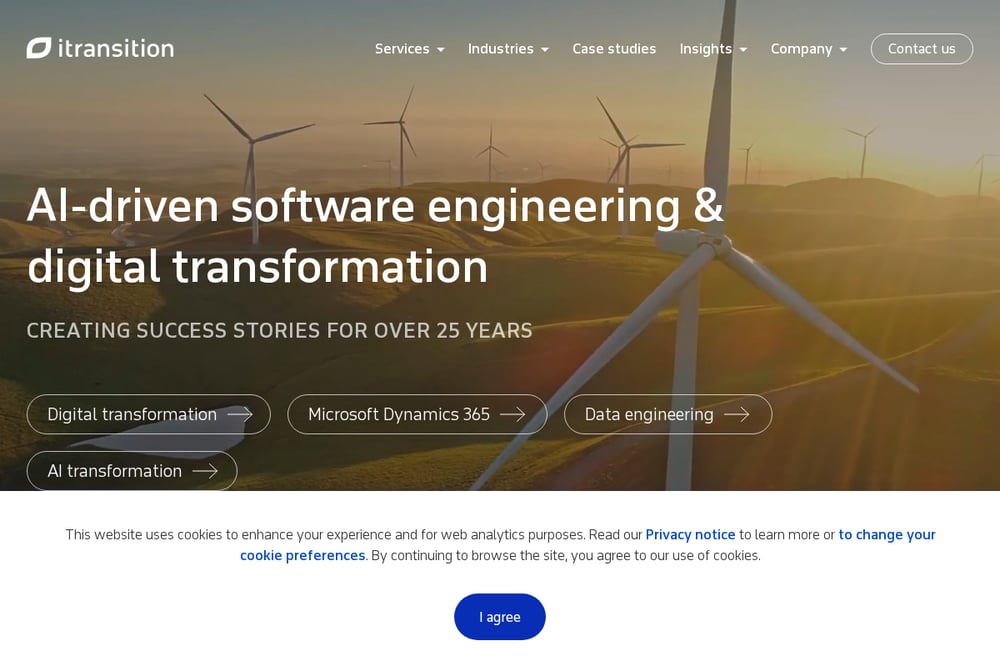 A screenshot of the Itransition website.
Itransition is a global software development company with a massive service portfolio. They cover everything from digital transformation and ERP to AI and cloud DevOps. If you need a partner that can handle a wide range of technologies and platforms, Itransition is a strong contender. Their expertise spans industries like healthcare, finance, and retail, making them a versatile choice. They also offer technology consulting to help you navigate complex decisions. With a focus on custom software development, they build solutions tailored to your business goals. You can learn more about their services on their website.
#2 Kreicberga SIA
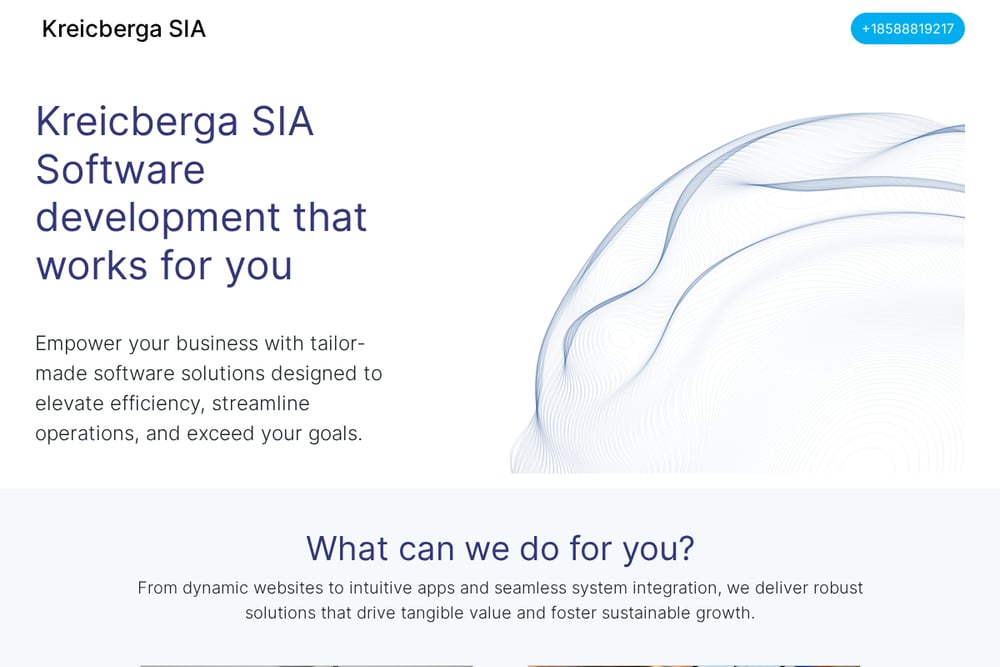 A screenshot of the Kreicberga SIA website.
Kreicberga SIA is a boutique software development agency that punches above its weight. They specialize in custom websites, mobile apps, and cloud integrations, with a strong emphasis on agile delivery and transparency. Their team works closely with you to understand your goals and deliver solutions that drive tangible value. Client testimonials highlight their meticulous approach and clear communication. If you're looking for a partner that treats your project like their own, Kreicberga SIA is worth a serious look. They offer DevOps integration and support across Azure, AWS, and Google Cloud, ensuring your systems run smoothly. Visit their website to see how they can help you.
#3 Luxoft
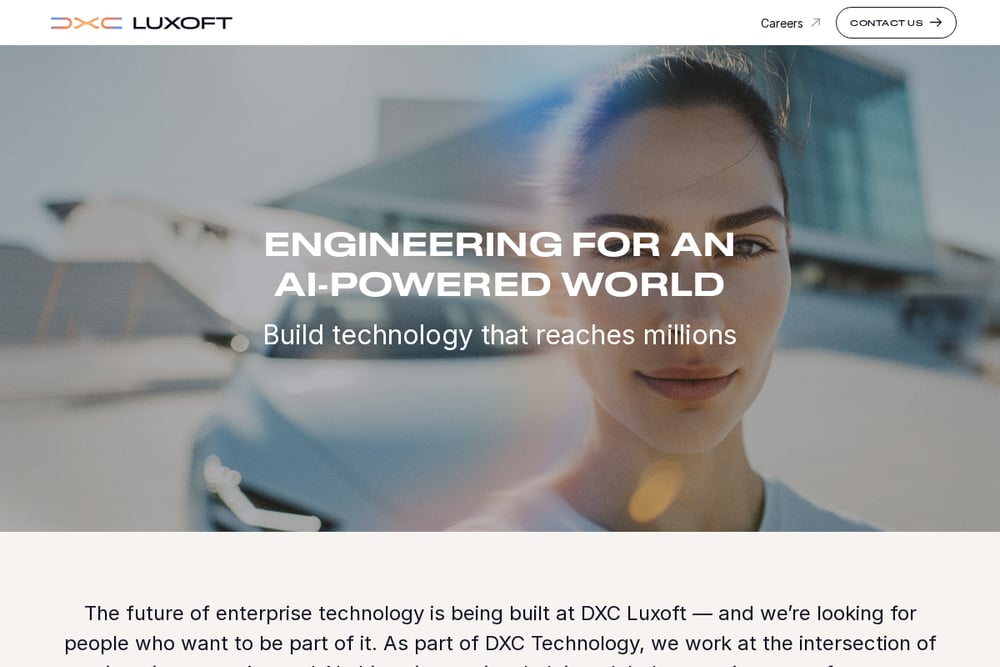 A screenshot of the Luxoft website.
Luxoft is a heavyweight in the custom software development space, serving Fortune 500 companies with enterprise-grade solutions. They excel in web, mobile, and cloud development, as well as legacy modernization and software integration. Their focus on security, compliance, and user experience makes them a trusted partner for large organizations. Luxoft's global footprint means they can support complex, multi-national projects. If you need a partner with deep enterprise experience, Luxoft is a top choice. Their website details their comprehensive capabilities.
#4 Improving
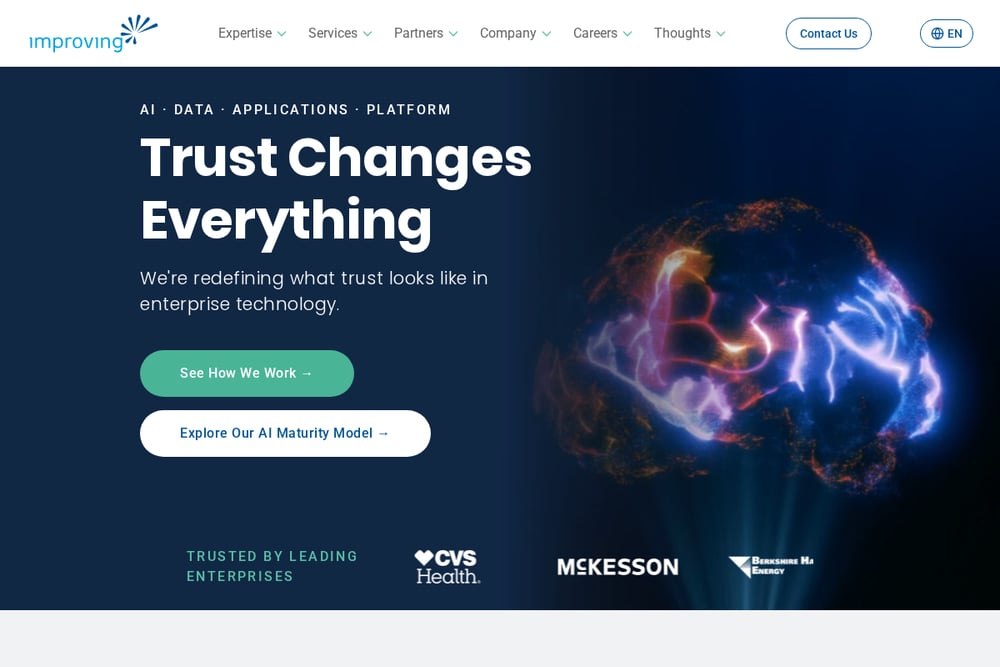 A screenshot of the Improving website.
Improving specializes in helping enterprises overcome complex software challenges. They build enterprise-grade platforms, portals, and AI-enhanced applications that drive efficiency and scalability. Their teams are experts in cloud, data, and integration, creating secure, future-ready systems. Improving's approach is collaborative, working with you to modernize legacy systems and align new solutions with evolving digital demands. They are a great fit for organizations that need to innovate without disrupting core operations. Check out their website to learn more about their enterprise solutions.
#5 Apiko
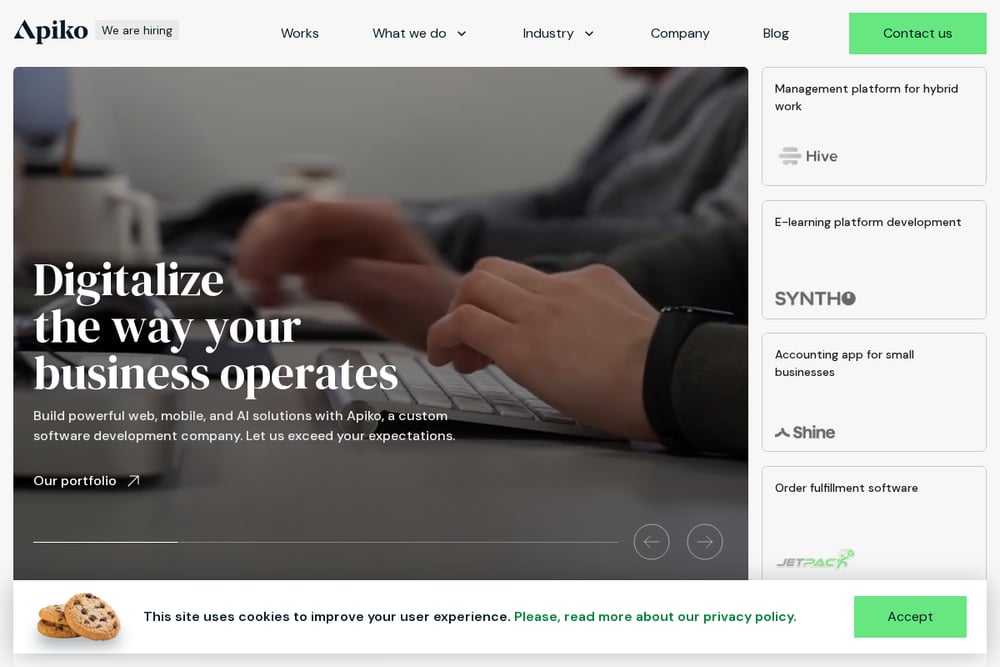 A screenshot of the Apiko website.
Apiko focuses on custom software integration services that seamlessly unite new functionality with your existing IT systems. They prioritize reliability, security, and future-proof solutions, ensuring your integrated software doesn't disrupt your operations. Their services include IT audits to detect and address potential issues. Apiko is ideal for businesses that need to connect disparate systems or add new features without overhauling their entire infrastructure. They also offer custom software engineering and mobile development. Their website provides more details on their integration expertise.
How to Choose the Right Software Development Partner
Choosing the right partner starts with understanding your own needs. What are your goals? Do you need a full-service agency or a specialized boutique? Consider your budget, timeline, and internal resources. Next, evaluate potential partners on their experience with similar projects. Ask for case studies and client references. Communication is key: you want a partner who keeps you informed and involved. Don't overlook cultural fit—working with a team that shares your values makes the journey smoother. Finally, discuss pricing and contracts upfront to avoid surprises. The five businesses here each offer something different, so take the time to find the one that aligns with your vision.
Automation and DevOps: What to Expect
Modern software development is inseparable from automation and DevOps. The right partner will integrate continuous integration and delivery (CI/CD) pipelines, automated testing, and infrastructure as code into your project. This leads to faster releases, fewer bugs, and more reliable systems. For example, Kreicberga SIA offers DevOps integration across Azure, AWS, and Google Cloud, enabling seamless collaboration and optimized workflows. Itransition and Luxoft also provide extensive DevOps services. When evaluating partners, ask about their automation practices and how they ensure smooth deployments. A strong DevOps culture can significantly impact your project's success.
Final Thoughts
The US custom software development landscape is rich with talent. Whether you need a boutique agency like Kreicberga SIA or a global powerhouse like Itransition, there's a partner for you. Focus on your specific requirements, and don't rush the decision. The right partner will not only build your software but also become a strategic ally in your growth. Use this guide as a starting point, and reach out to the companies that resonate with you. Your next successful project could be just a conversation away.