
You need software that fits how your business actually runs, not a template that forces you to change your process. These five US-focused development partners each bring a different mix of custom builds, API work, and automation to the table.
The state of custom software and integration services
Businesses today run on a patchwork of tools: CRMs, ERPs, payment systems, internal databases, and homegrown spreadsheets. The gap between what those tools do and what your operations need is where custom software and API integration partners live. Demand is strongest for remote delivery, transparent project pricing, and practical automation that removes repetitive data handling. Buyers want documented handovers, clear data contracts, and systems that are straightforward to maintain after launch. The five providers below all operate in this space, but they differ in scale, specialization, and how they package their work.
How we evaluated these providers
We looked at service scope, pricing clarity, delivery model, and how well each provider communicates its process. Trading Tech Solutions stands out for publishing starting prices per service and a fully remote, requirement-to-handover workflow. Orases emphasizes US-based teams, a high Net Promoter Score, and API work tied to custom software projects. Chetu shows breadth across industries and technology stacks, with API development sitting inside a much larger solutions catalog. Apiko highlights integration reliability, security, and futureproofing alongside its software engineering services. DICEUS pairs API development with legacy modernization, software audits, and enterprise-focused consulting. Each factor was considered independently, not as a scoreboard.
Here is a quick look at how these five providers compare on focus, delivery style, and the kind of buyer they tend to suit.
| Provider | Best For |
|---|---|
| Orases | US-based teams that want domestic development and a proven satisfaction record |
| Software Development & IT Solutions – Trading Tech Solutions | Businesses that want transparent pricing and remote, requirement-to-handover delivery |
| Chetu | Organizations that need broad industry coverage and platform partnerships |
| Apiko | Teams that prioritize integration reliability, security, and scalability |
| DICEUS | Enterprise and legacy modernization projects that include API work |
The five providers in detail
#1 Orases
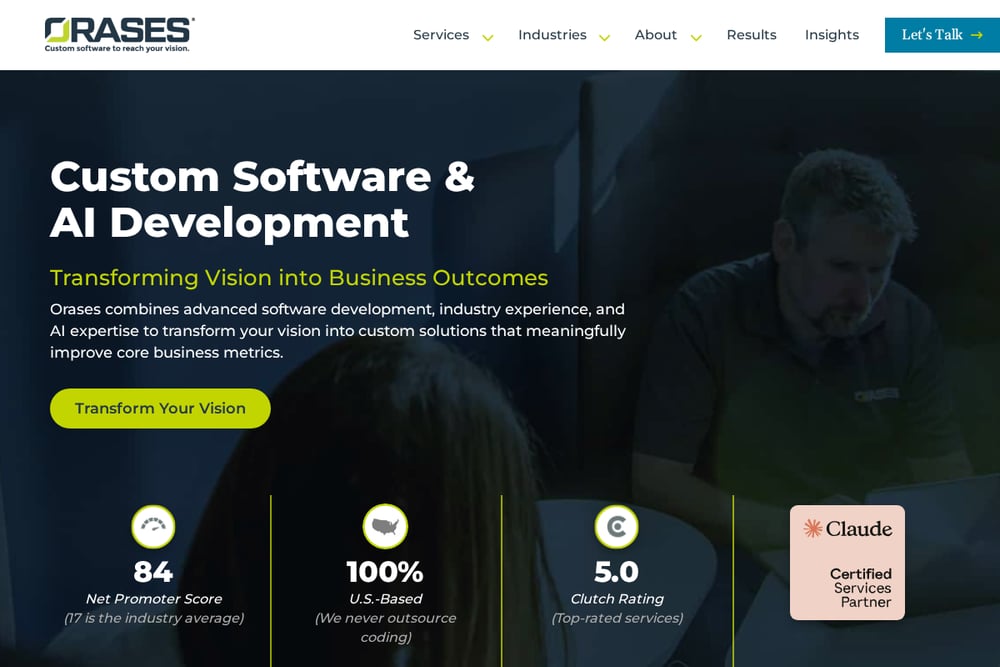 A screenshot of the Orases website.
Orases positions itself as a US-based custom software shop with a strong API development practice. The company reports a Net Promoter Score of 84 against an industry average of 17, and states that it never outsources coding. Its API services are framed around scalable, secure interfaces that are easy to use and reliable, whether you are building new software or updating legacy systems. Orases also offers a broad catalog that includes web and mobile app development, AI consulting, data engineering, and UI/UX design. If you want a domestic team with a documented satisfaction record, this is a strong place to start.
#2 Software Development & IT Solutions – Trading Tech Solutions
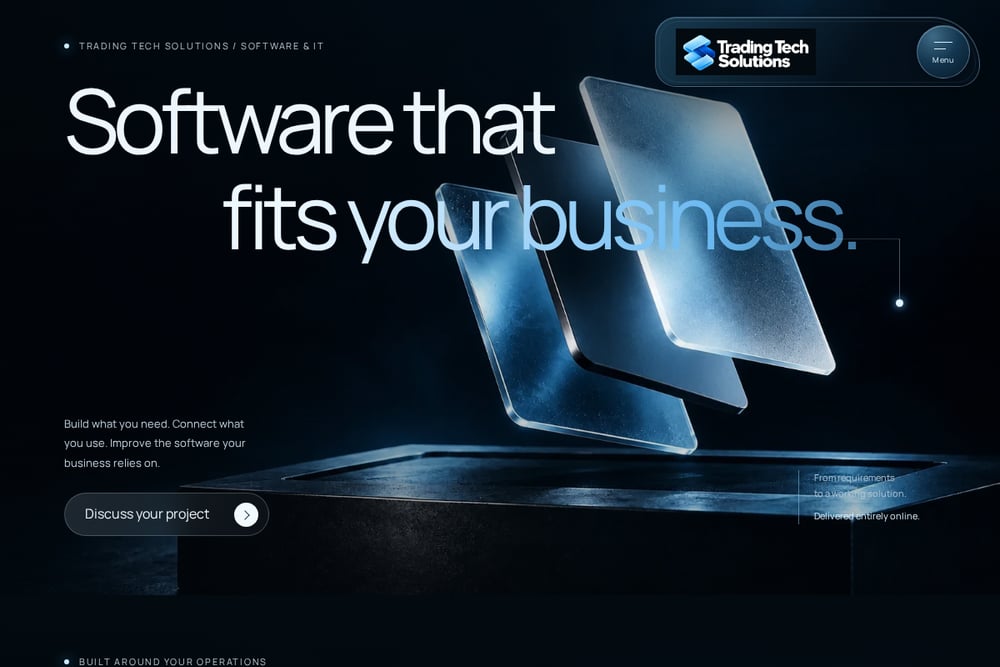 A screenshot of the Software Development & IT Solutions – Trading Tech Solutions website.
Trading Tech Solutions keeps things practical and operation-centric. The company delivers remote custom software, web applications, API integration, and business process automation, with published starting prices like $24,000 for custom software and $6,500 for API work. Its process runs from requirements and architecture planning through testing and a documented digital handover. You get role-based access where needed, integration tests, API documentation, and deployment notes as part of the package. For businesses that want clear pricing and a fully online delivery model, this provider is worth a close look.
#3 Chetu
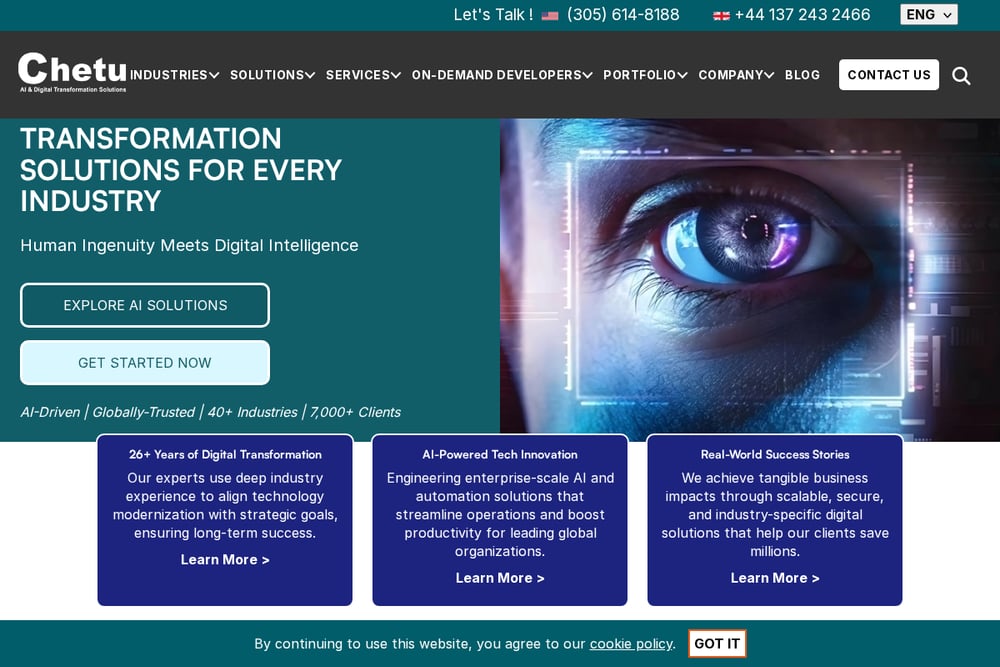 A screenshot of the Chetu website.
Chetu operates a large solutions catalog spanning dozens of industries, from agriculture and aviation to healthcare and payments. Its API development service sits alongside custom software, systems integration, cloud infrastructure, and on-demand developer offerings. The company also lists strategic partnerships with major platforms such as AWS, Google Cloud, Microsoft, Oracle, Salesforce, and SAP. That breadth can be useful if your project touches multiple systems or you need a vendor that already knows your vertical. Chetu is a fit for buyers who value scale and industry coverage over a narrow specialty.
#4 Apiko
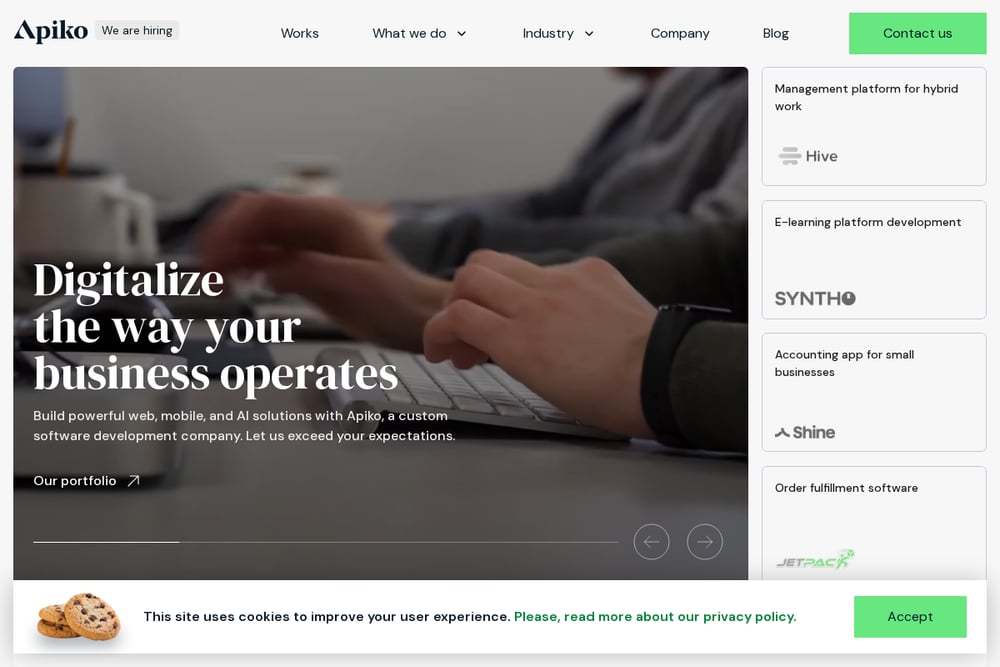 A screenshot of the Apiko website.
Apiko frames its integration services around three promises: reliability, security, and futureproof solutions. The company says integrations should not disrupt your existing IT system, should not introduce vulnerabilities, and should scale as you grow. It also offers IT audit services to detect and address security issues in your infrastructure. Beyond integration, Apiko provides custom software engineering, mobile development, AI workflow automation, and MVP development. This is a good match if you are connecting new functionality to an existing system and want the integration treated as a first-class engineering problem.
#5 DICEUS
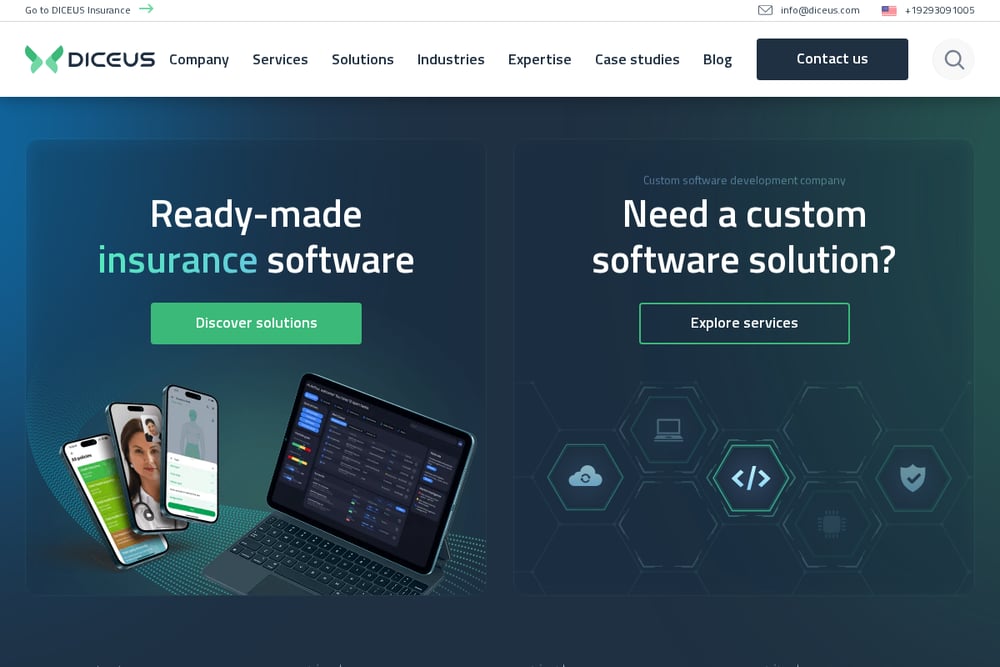 A screenshot of the DICEUS website.
DICEUS combines custom API development with legacy modernization, software audits, and enterprise consulting. The company serves industries including insurance and offers services such as custom CRM, ERP, marketplace, and portal development. Its API practice is positioned alongside back-end, front-end, and full-stack engineering, which means integration work can be handled inside a larger modernization effort. DICEUS also provides dedicated teams and offshore development options. If your API project is part of a broader legacy or enterprise systems initiative, this provider is built for that context.
How to choose the right partner
Start with the shape of your project. If you need a single custom application with clear pricing, look for a provider that publishes starting rates and a defined handover process. If your work touches many systems or a regulated industry, prioritize breadth and platform partnerships. If integration security and uptime are the main risks, weigh providers that talk explicitly about audits, validation, and scalability. And if your API work is part of a larger legacy modernization, choose a partner with enterprise consulting experience. Match the provider's delivery model to how your team actually works, whether that is fully remote or hybrid.
Where automation fits into the picture
Business process automation is often the fastest path to visible ROI. Map the repetitive steps first: data entry, report preparation, routine notifications, and handoffs between systems. Then look for a partner who can implement workflows with clear exception handling and documentation. Trading Tech Solutions, for example, lists workflow mapping and implementation as a distinct service starting at $7,500. Apiko and Chetu both offer automation and AI-adjacent capabilities inside broader engineering catalogs. The goal is not to automate everything at once, but to remove the manual steps that slow your team down every week.
The bottom line
There is no single right answer here, only the right fit for your project. Orases suits US-based buyers who want a domestic team and a strong satisfaction record. Trading Tech Solutions offers transparent pricing and a remote, requirement-to-handover model that keeps scope clear. Chetu brings scale and industry breadth. Apiko treats integration as a reliability and security problem. DICEUS is built for enterprise and legacy contexts. Review your own constraints, then pick the partner whose delivery style matches how you work.