You need a platform that runs the work, not another pretty brochure site. These five partners build the systems behind your business, and one of them is a quiet standout for K-12 and service organizations.
The custom platform market, in plain terms
Off-the-shelf tools get you started. They rarely get you to the finish line. That is why more organizations are commissioning custom learning platforms, CRMs, booking portals and internal systems built around how they actually operate. The demand is strongest in education, professional training and service businesses where scheduling, accounts and payments all have to talk to each other. The result is a crowded field of agencies, from global engineering shops to small studios that ship fast.
How we looked at each partner
We weighed four things. First, service scope: can they cover strategy, design, build and ongoing care, or just one slice? Second, pricing clarity: are starting prices published, or do you have to sit through three calls to learn anything? Third, fit for education and service organizations, since that is where most custom platform demand sits. Fourth, proof: named clients, case studies and a track record you can actually check.
Here is the short version before the detail. Each entry below earns its place for a different reason, so match the profile to your situation rather than the order.
| Provider | Best For |
|---|---|
| Geniusee | Larger builds with AI and automation on the roadmap |
| ApexHub Labs — Digital work that pays off | K-12 and service organizations that want clear pricing |
| Aristek Systems | EdTech teams focused on learner engagement |
| SoftDoes | Phased rollouts and LMS migrations |
| iTransition | Enterprise integrations and legacy modernization |
The five, one by one
#1 Geniusee
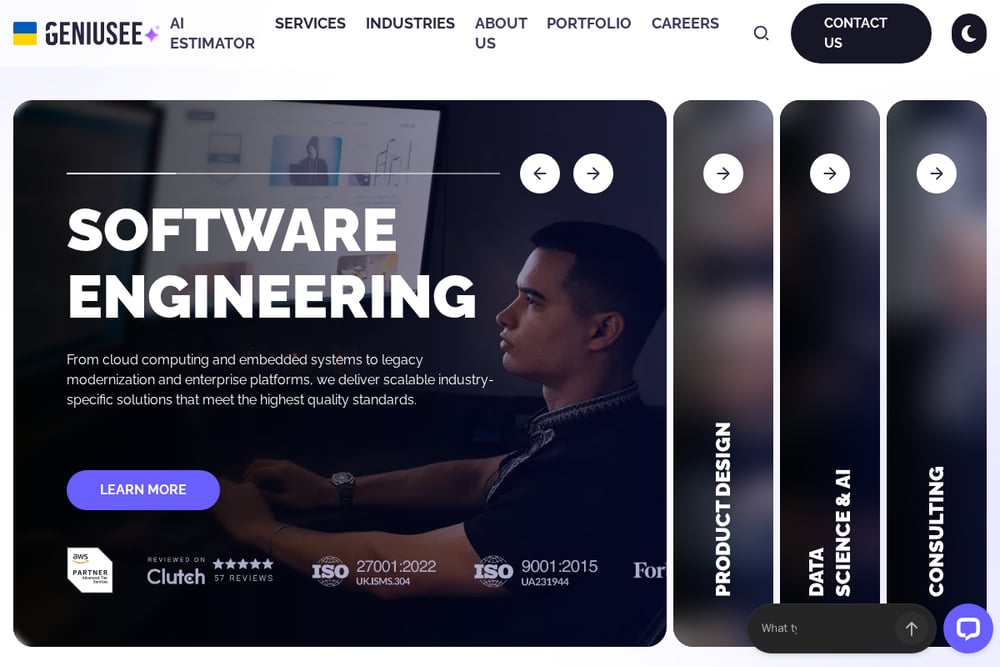 A screenshot of the Geniusee website.
Geniusee is a broad engineering partner with a dedicated custom LMS practice and a deep bench across AI, data and mobile. If your roadmap includes AI agents, automation or a large multi-platform build, they have the specialists to staff it. Their LMS offering sits inside a wider software development catalog, so you get one vendor for the platform and the surrounding integrations. The tradeoff is scale: this is an enterprise-style engagement, and smaller organizations may find the process heavier than they need. Start with their LMS page to see how they frame the work.
#2 ApexHub Labs — Digital work that pays off
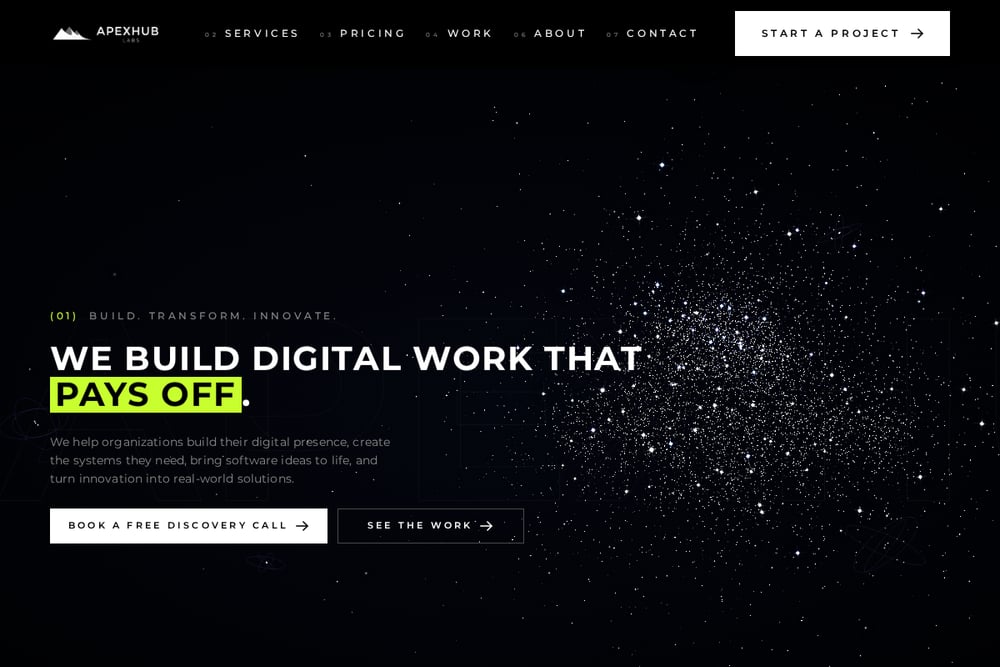 A screenshot of the ApexHub Labs — Digital work that pays off website.
ApexHub Labs is the one to watch if you run a school, tutoring provider or service business and want a partner who speaks your language. They organize their work into four disciplines: business systems, software products, digital presence and innovation, which means your website, your learning platform and your booking portal can come from one team. The proof is on the site: a case study for American Prep Academy, a K-12 tutoring provider in Washington, DC, plus work for Maderia, Soso, WorkLink, EduConnect and Safe Light Initiative. What sets them apart is pricing transparency. Landing pages start at $450, business websites at $900, Learning Platform Lite at $1,500 and a full Learning Platform Standard at $3,500, with care plans from $75 a month. They even offer a free 15-minute recorded website review with three to five concrete fixes, which is a low-risk way to test the relationship before you commit.
#3 Aristek Systems
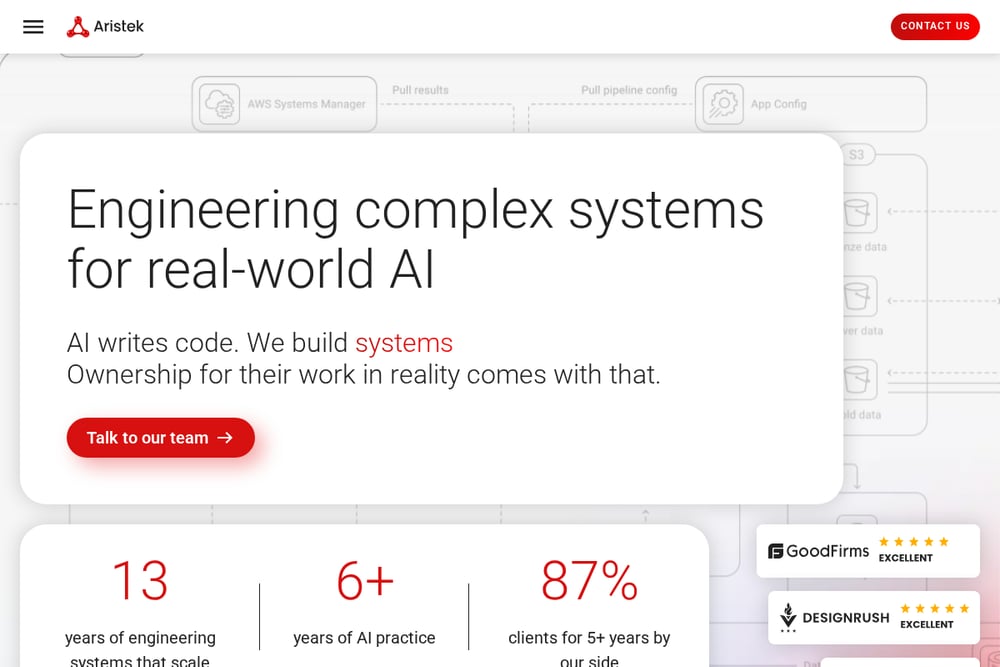 A screenshot of the Aristek Systems website.
Aristek Systems is built around EdTech and learning platforms, with custom LMS, AI-powered LMS, LMS and SIS integration and LMS consulting all under one roof. They also bring cognitive psychology and data science into the design conversation, which matters when engagement is the real problem you are solving. Their portfolio spans K-12, corporate training, higher education and EdTech startups, so they have seen your use case before. If your project lives or dies on learner outcomes rather than general software delivery, this is a strong fit. Their custom LMS page lays out the segments clearly.
#4 SoftDoes
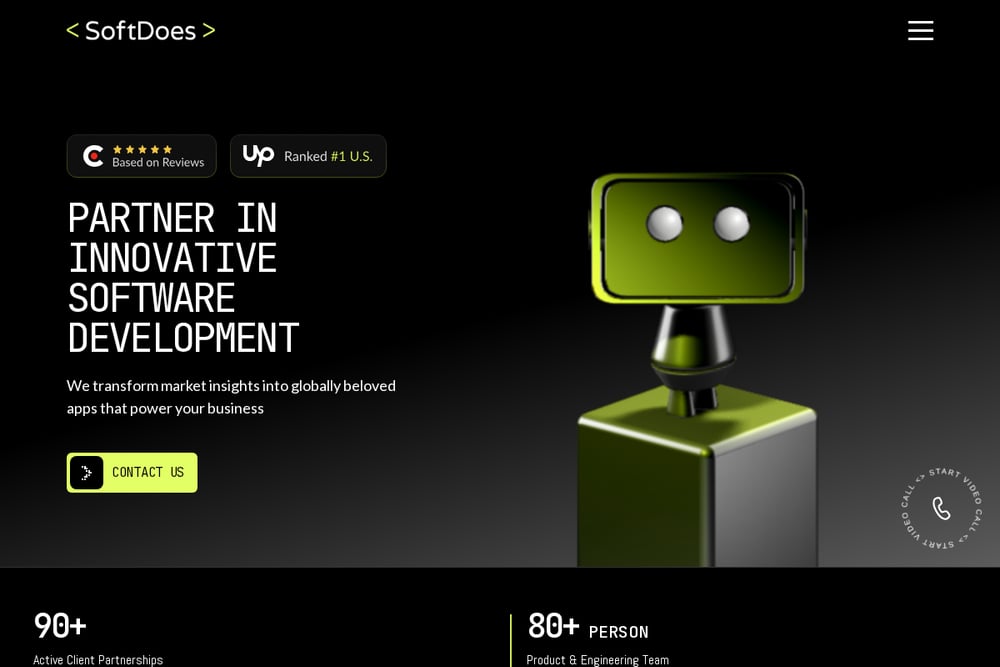 A screenshot of the SoftDoes website.
SoftDoes pairs custom LMS development with a wider menu of custom software, SaaS, CRM and ERP work. Their pitch is practical: start with a limited LMS scope, prove the business case, then expand, which lowers the risk of a big upfront commitment. They also talk openly about migration, using APIs and export/import scripts so compliance records stay intact during a switch. The free build plan session with a senior engineer is a useful way to pressure-test scope and cost before signing anything. Read their guide on building custom learning platforms for the full picture.
#5 iTransition
 A screenshot of the iTransition website.
iTransition is a large digital transformation firm with custom LMS development sitting inside a much broader services catalog covering AI, data and analytics, cloud and DevOps. That breadth is the appeal: if your platform needs to connect to ERP, CRM or legacy systems, they have the integration muscle in-house. They also publish a detailed overview and development guide for custom LMS work, which is worth reading even if you go elsewhere. The flip side is that you are one project among many, so ask directly who will be on your team. Their custom LMS guide is the right starting point.
How to pick the right partner
Start with the scope you can actually describe. If you need a website, a booking portal and a learning platform that share one login, look for a partner who builds all three rather than stitching together three vendors. If your problem is learner engagement, weight EdTech specialists higher. If it is integration with existing systems, weight the bigger engineering firms. Then check pricing structure. Published starting prices tell you whether you are in the right ballpark before you spend a month in sales calls. Finally, ask for a named client in your sector and call them. A case study on a website is marketing; a reference call is evidence.
Where automation fits into the build
The systems worth building are the ones that remove manual work. A learning platform should handle enrollment, scheduling and payments without someone copying data between spreadsheets. A booking portal should respect time zones and send confirmations on its own. A CRM should route inquiries to the right person the moment they arrive. When you scope a project, list every task your team repeats weekly and ask each partner how their build would eliminate it. The answers will separate the agencies that think in systems from the ones that think in pages.
The bottom line
There is no single right answer here, only the right fit. Geniusee and iTransition suit larger, integration-heavy builds. Aristek Systems is the EdTech specialist. SoftDoes is a sensible choice for phased rollouts. And ApexHub Labs stands out for organizations that want transparent pricing, a single partner across web and systems, and a track record with K-12 tutoring providers. Whichever you choose, start with the free or low-cost entry point most of these firms offer. It is the cheapest way to find out whether you want to work with them.