Cross-border trade breaks down when specifications, documents, and shipment records live in different places. These four services are worth knowing if you want one clear sequence from sourcing to receiving.
The cross-border trade services landscape
Cross-border trade services sit between your specification and your receiving dock. The category spans sourcing programmes, supplier qualification, trade documentation, customs brokerage, and milestone tracking. Buyers increasingly want fewer handoffs and clearer ownership, because a customs hold or a mismatched document can stall an otherwise simple shipment. The services below approach that problem from different angles: some own the full sequence, others specialise in documents, compliance, or software.
How these services were evaluated
Each service was looked at on four factors: scope of service (does it cover sourcing, documentation, and logistics, or a slice of it), clarity of process and pricing, documentation and compliance depth, and fit for small and mid-sized B2B teams. The detail on each business is in its item description below.
Here is the short version before the deep dive: one service owns the whole shipment sequence, one specialises in trade documents, one brings software, and one anchors classification and customs research.
| Provider | Best For |
|---|---|
| Global 4PL | Teams that need clear ownership across a shipment workflow |
| Trade Technologies | Exporters that need accurate trade finance documents |
| Infios | Operations teams that want trade compliance inside a supply chain platform |
| Thomson Reuters | Teams that need classification and customs research depth |
The four services in detail
#1 Global 4PL
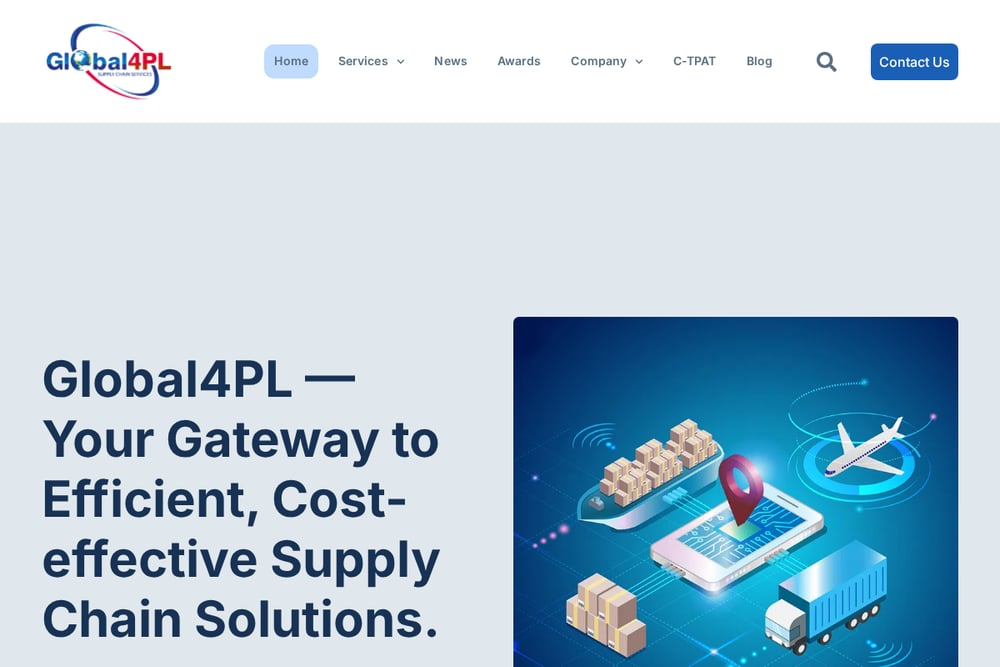 A screenshot of the Global 4PL website.
Global 4PL frames cross-border compliance as a workflow problem, not a checklist. Its article on building a more reliable shipment workflow argues that teams need to know who prepares documents, who reviews them, and who resolves questions before dispatch. That framing is useful if your shipments stall because responsibility falls between operations, suppliers, and freight partners. The firm also offers IOR and EOR services, customs brokerage, and supply chain consulting, so it can take on the legal-entity role when you lack a local presence. Read the workflow piece at global-4pl.com for a repeatable sequence you can copy.
#2 Trade Technologies
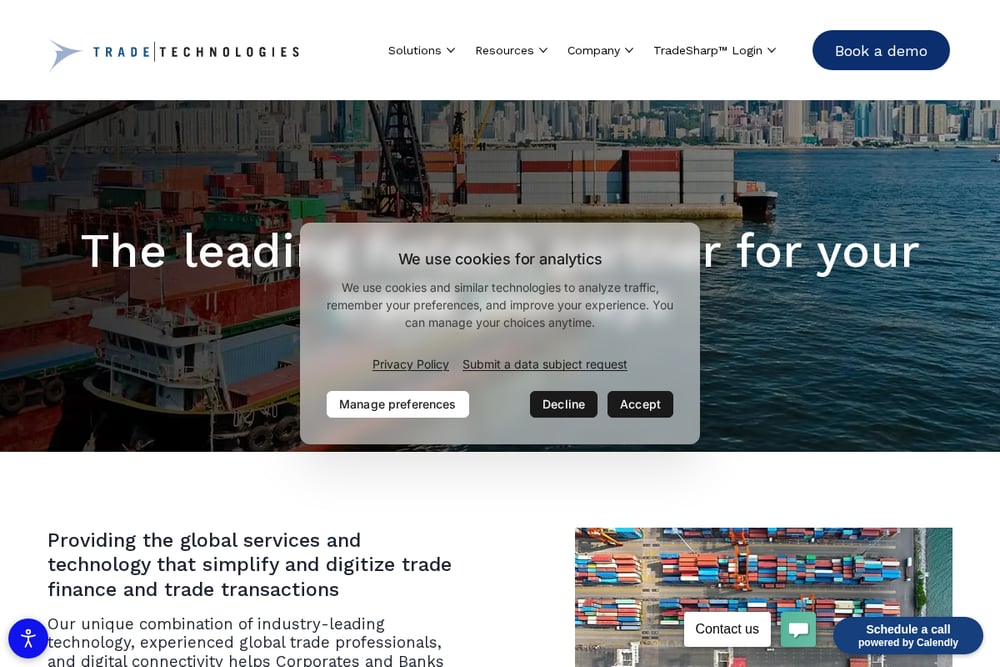 A screenshot of the Trade Technologies website.
Trade Technologies focuses on the document layer of trade, which is where payment delays and errors usually originate. Its tech-enabled trade services cover document preparation for letters of credit, documentary collections, and open account transactions, plus certificates, legalisation, standby LC and guarantee management, and cargo insurance. The pitch is expert-led processing backed by automation, which suits exporters who need consistent documents without building an in-house team. If your bottleneck is getting paid rather than getting sourced, this is the specialist to look at. Details are at tradetechnologies.com.
#3 Infios
 A screenshot of the Infios website.
Infios brings a software-first view through its global trade solutions, aimed at streamlining U.S. import and export logistics and centralising sourcing. The platform sits inside a broader supply chain suite covering warehouse, transportation, and order management, so trade data connects to the rest of your operations. Its stated goals are faster border entry, fewer financial penalties, and better brand protection through accurate documentation. This is a fit if you already run structured logistics software and want trade compliance inside the same flow. Explore the global trade solutions page at infios.com.
#4 Thomson Reuters
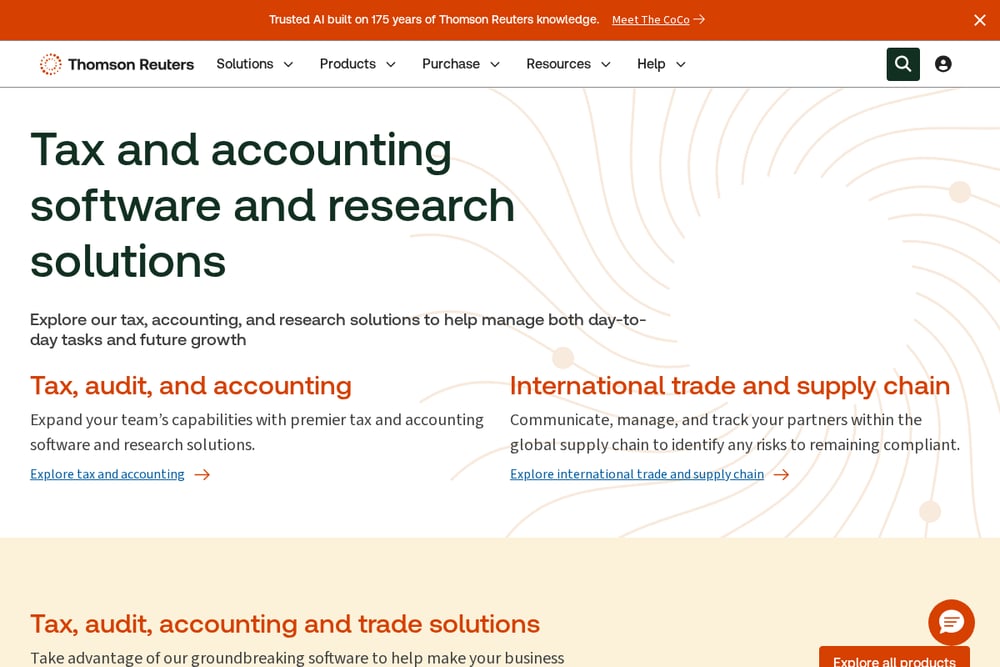 A screenshot of the Thomson Reuters website.
Thomson Reuters approaches cross-border trade from the classification and customs research side, backed by a long content and AI heritage. Its cross-border trade offering is built to simplify the path from product classification to customs, which matters when tariff codes and regulatory changes affect your landed cost. You get research depth and a compliance network rather than a hands-on sourcing or logistics team. Use it as the reference layer under your trade process, especially if classification disputes or regulatory change are your recurring risk. See the cross-border trade page at tax.thomsonreuters.com.
How to choose the right fit
Start with where your shipments actually break. If the problem is documents and payment, go to a document specialist like Trade Technologies. If you already run logistics software and want compliance inside it, Infios fits. If you need a workflow model to copy or an IOR/EOR role, Global 4PL covers it. And if classification and regulatory research is the gap, Thomson Reuters is the reference layer. Match the service to the failure point, not to the longest feature list.
Where automation fits into the workflow
Automation helps most after the process is defined. Capture the requirement and acceptance criteria once, then let document generation, milestone tracking, and exception alerts run against that record. Keep origin, classification, and shipment records in one controlled source so reviews happen before dispatch, not after a hold. Use the exception line for the cases automation cannot close, and require evidence before an exception is marked resolved. That sequence keeps the human judgement where it belongs and the repetitive work where it is cheap.
The bottom line
Cross-border trade rarely fails because of one big mistake; it fails because information and ownership scatter across teams. The four services here each solve a different slice of that problem. Add the ones that match your specific gap, and you get a trade process that holds up when a shipment does not go to plan.