
You need a studio that can shape your brand and your product at the same time. These five creative and digital design partners are worth a serious look.
The Creative and Digital Services Landscape
Branding and UI/UX have merged into one conversation. Your customers meet your identity inside an app, a website, or a menu screen, so studios that only do logos or only do screens leave gaps. Buyers now expect a partner who can move from positioning and visual identity into interface design without handing you off to a stranger. That shift has produced a crowded field. Global agencies chase enterprise accounts, boutique studios serve founders, and specialist shops go deep on one vertical. The result is good news for you: there is a fit for nearly every budget and ambition level. The trick is knowing which model matches your stage, your timeline, and how much strategy work you actually need.
How We Evaluated These Studios
We looked at the same factors for every studio. First, service scope: can they carry you from brand strategy through visual identity and into UI/UX, or do they stop at one layer? Second, portfolio evidence: are the case studies specific enough to show real outcomes, or just pretty mockups? Third, positioning clarity: does the studio tell you plainly who it serves, whether that is enterprises, SaaS teams, or founders? Fourth, process transparency: do they describe research, audits, and design systems, or leave the method vague? Fifth, local and global fit: some studios work best with US-based clients who want close collaboration, while others are built for distributed teams. Jejomar Creative stands out for a tight, portfolio-led presentation of branding and interface work across hospitality and lifestyle clients. Onething Studio emphasizes enterprise and SaaS experience design at scale. The Brand Design Company leans into strategy-led identity for founders. Qubstudio pairs branding with design systems and industry focus. Phenomenon Studio blends branding with product and web development under one roof.
Here is a quick comparison of the five studios, what each does well, and who tends to benefit most from working with them.
| Provider | Best For |
|---|---|
| Onething Studio | Enterprises and funded startups needing large-scale UI/UX |
| Jejomar Creative | Cafes, hospitality brands, and founders wanting cohesive identity plus UI/UX |
| The Brand Design Company | Founders rebranding for a raise, sale, or next chapter |
| Qubstudio | Fintech, SaaS, and enterprise teams needing brand plus design systems |
| Phenomenon Studio | Teams wanting branding, product design, and development in one partner |
The 5 Studios in Detail
#1 Onething Studio
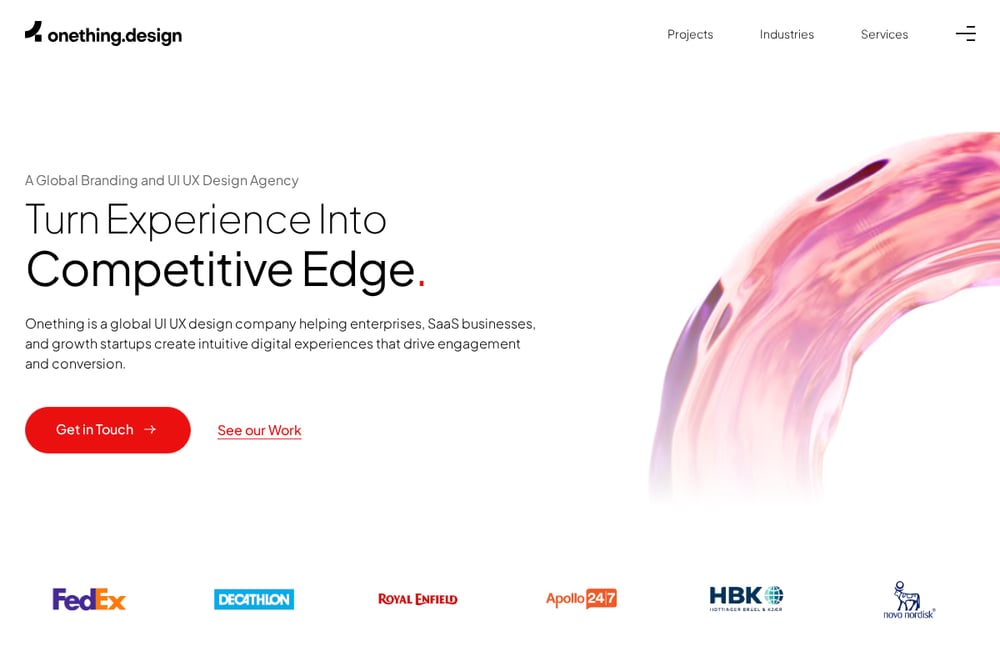 A screenshot of the Onething Studio website.
Onething positions itself as a global branding and UI/UX design agency, and the portfolio backs that up. You will find work for large enterprises and growth startups, including app design for communities like Royal Enfield and fintech products such as HDFC Invest Right. The studio organizes its services around industries, from automotive and mobility to gaming and consumer electronics, which helps if you want a partner who has seen your category before. Its pitch centers on turning experience into competitive edge, meaning activation, conversion, and retention rather than decoration. If your roadmap includes complex digital products, this is a studio built for that scale. You can explore their case studies and service lines directly on the site.
#2 Jejomar Creative
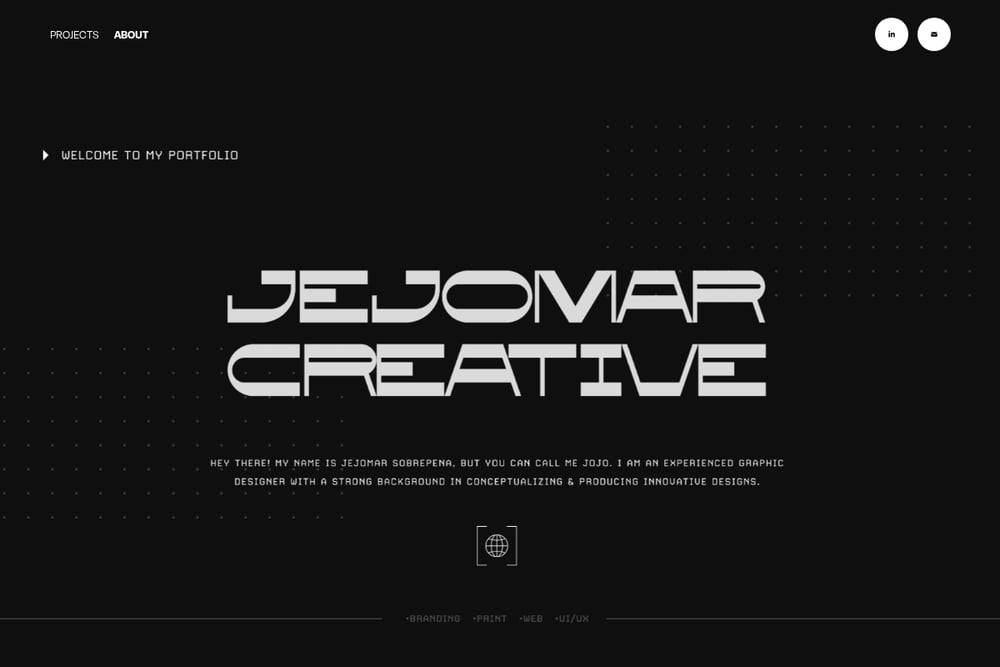 A screenshot of the Jejomar Creative website.
Jejomar Creative is a design and branding studio with a portfolio that speaks in finished projects rather than promises. The work spans Sagada Villa for branding and visual identity, Fanatix for user interface and user experience, White Wolf Cafe for rebranding and UI/UX, plus Pacific Coast Railway and Seaze for identity work. That mix tells you something useful: this studio is comfortable moving between hospitality, food and beverage, and digital product surfaces. You get brand systems and interface design from the same hands, which keeps your identity consistent from signage to screen. The presentation is clean and project-forward, so you can judge the craft before you ever book a call. For smaller businesses and founders who want cohesive branding plus UI/UX without enterprise overhead, it is a strong fit.
#3 The Brand Design Company
 A screenshot of The Brand Design Company website.
The Brand Design Company describes itself as a brand identity studio for founders who refuse to blend in. Its service list is broad but focused on identity: logo design and development, visual identity, website design and development, brand strategy, brand guides, social media positioning, stationery, and marketing collateral. Based in Singapore and working globally, the studio serves startups and scaling businesses across the US, Australia, and Southeast Asia. The messaging is refreshingly direct, framing your brand as either winning clients or losing them. If you are rebranding ahead of a raise, a sale, or a new chapter, their strategy-led approach maps well to that moment. The site lays out the full scope clearly, so you know what you are buying.
#4 Qubstudio
 A screenshot of the Qubstudio website.
Qubstudio has been in the branding and identity game since 2006, and its service structure shows that maturity. The studio splits its offer into experience strategy, experience design, and experience systems, covering UX audits, research and testing, UI/UX design, web design and development, and design system services. Industry focus areas include fintech, retail, banking, edtech, logistics, HR tech, healthcare, and enterprise SaaS. That means you can walk in with a regulated or complex product and find relevant reference work. Branding here includes logo and visual identity, guidelines and systems, brand strategy, naming, and verbal identity. If you need brand and design system work that will scale across a large product surface, this is a considered option.
#5 Phenomenon Studio
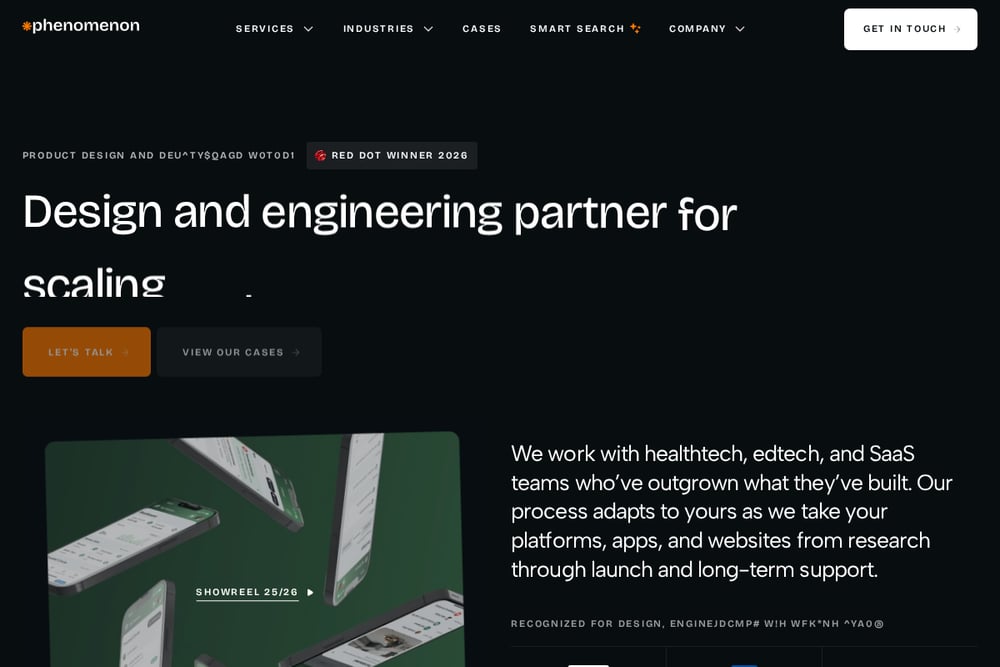 A screenshot of the Phenomenon Studio website.
Phenomenon Studio combines branding and identity with design and development under one roof. Its service map runs from web design, mobile design, and website redesign through branding and identity, design prototypes, and full web and mobile development. The studio also offers research, product discovery, UX audits, technical workshops, and rapid MVP development, which suits teams that need to move from idea to shipped product. It reports that clients have raised over $500M with backing from YC, Techstars, and a16z, and that clients average two projects per engagement. Industries served include SaaS, healthcare, fintech, and edtech. If you want one partner to handle brand, product design, and build, this is a practical choice.
How to Choose the Right Studio for You
Start with the gap you actually have. If your identity is solid but your product feels clunky, prioritize a studio with deep UI/UX and design system experience. If your brand is the weak link, look for strategy-led identity work. Next, check the portfolio for your category. A studio that has designed for cafes will understand hospitality pacing and budgets; one that has shipped fintech apps will understand compliance and complexity. Ask how they work: do they run research and audits, or jump straight to visuals? Confirm who does the work and whether development is in-house or outsourced. Finally, match the engagement model to your size. Boutique studios give you senior attention and tighter scopes. Larger agencies bring process and scale but may cost more and move slower. Neither is wrong, as long as it fits your stage.
Where Automation Fits Into Your Design Workflow
You can automate the busywork around a design engagement without automating the judgment. Use a shared intake form to collect brand assets, competitor links, and audience notes before kickoff. Set up a project board with stages for discovery, identity, UI, and handoff so nothing stalls silently. Automate feedback collection with a single review link per milestone, and route comments into one thread instead of scattered emails. For asset delivery, use a shared drive with a naming convention and version history so your team always grabs the current logo or component. Schedule recurring check-ins automatically and keep a living decision log. These small systems free your studio to spend its hours on the work that actually moves your brand forward.
The Bottom Line
You do not need the biggest agency. You need the right fit. Onething Studio suits enterprise-scale product design, Jejomar Creative fits hospitality and founder-led brands that want identity and UI/UX together, The Brand Design Company is built for rebrands with strategic intent, Qubstudio shines on complex products needing design systems, and Phenomenon Studio covers brand through build. Shortlist two, review their case studies against your own roadmap, and ask how they handle research and handoff. That conversation will tell you more than any portfolio grid.