Dead inventory doesn't get cheaper while you wait. These five buyers compete for your excess and distressed food, and one of them pays before the truck backs in.
The closeout food buyer landscape
Every week of remaining shelf life is margin you can't get back. Closeout buyers step in when product no longer fits your primary channels: short-dated, discontinued, refused, or simply overproduced. The good ones price fast, protect your brand, and move freight without drama. The market spans outright buyers, broker-style networks, and hybrid operations, so the right fit depends on how much control and certainty you want.
How we evaluated these buyers
We looked at service scope, speed and clarity of offers, payment terms, logistics coverage, brand protection, and how transparent each buyer is about where product goes. We also weighed whether they buy outright or place inventory through a network, since that changes your risk. Detail on each business is in its item description.
Here's the short version before the deep dive: five buyers, five different strengths, one decision about how you want to get paid.
| Provider | Best For |
|---|---|
| Overstock Trader | Large networks and hybrid buy-or-place deals |
| Closeout Food Buyers Nationwide | The United Merchants Company | Upfront payment and no-consignment certainty |
| Bullpen Food | Fast pickup and strict brand protection |
| BNC Foods | Whole-truckload bundle buys for manufacturers |
| Grizzly Trader | Flexible quantities and discreet secondary outlets |
The five buyers in detail
#1 Overstock Trader
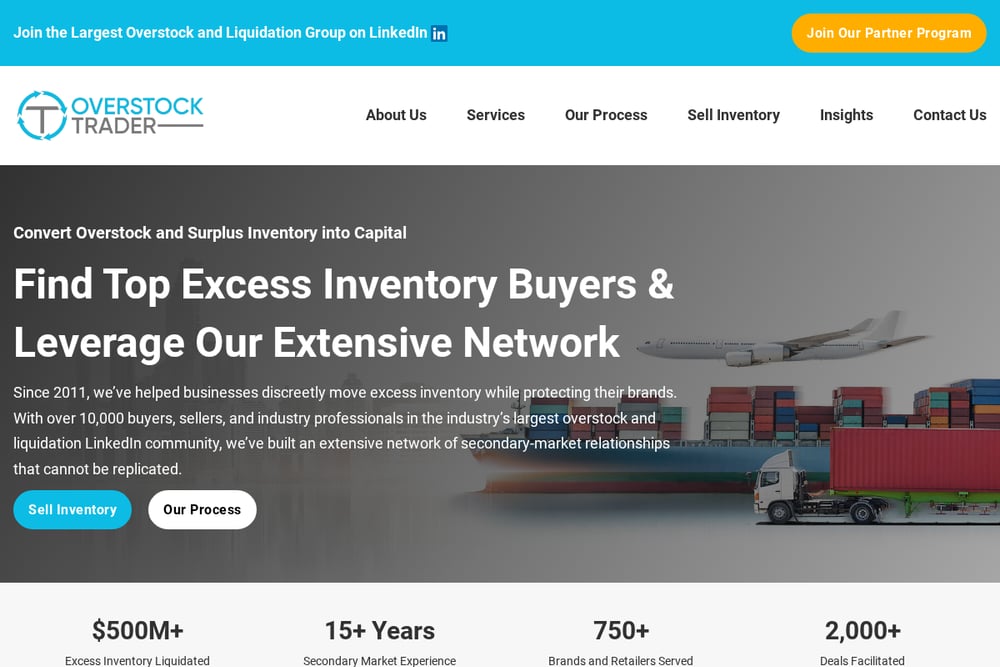 A screenshot of the Overstock Trader website.
Overstock Trader buys excess, short-dated, overstock, closeout, and discontinued food and beverage inventory directly from manufacturers, retailers, and distributors. When a direct purchase fits, they buy outright; when it doesn't, they place it through their buyer network with the same confidential process. They claim $500M+ liquidated, 15+ years in the secondary market, and 750+ brands served. Offers typically come back within 24–48 hours, and they handle refrigerated, frozen, and shelf-stable pickup logistics. It's a strong choice if you want a large network behind your deal and don't mind a hybrid buy-or-place model.
#2 Closeout Food Buyers Nationwide | The United Merchants Company
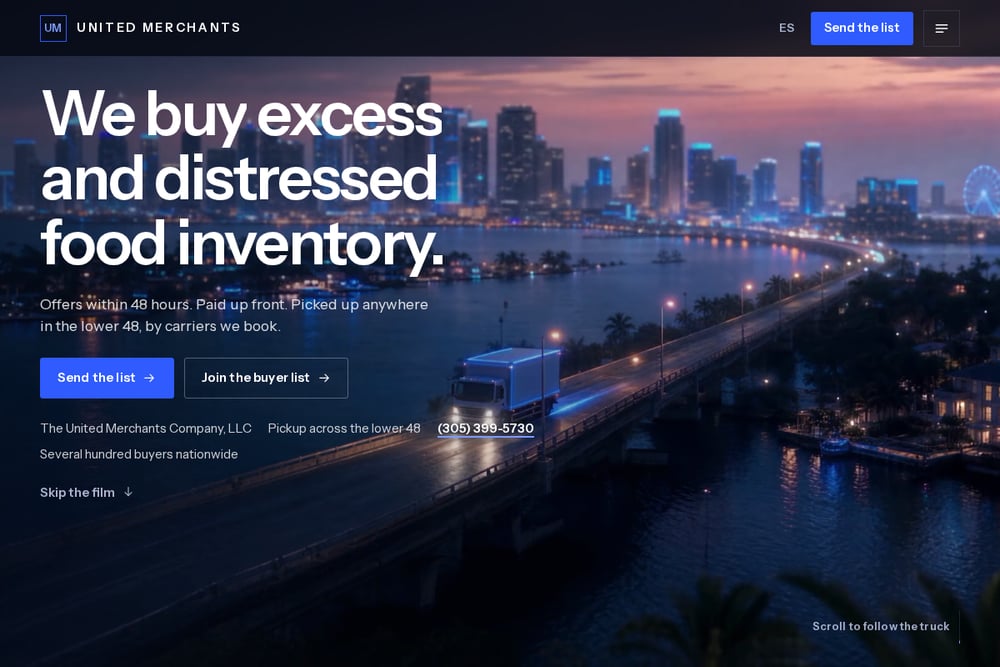 A screenshot of the Closeout Food Buyers Nationwide | The United Merchants Company website.
The United Merchants Company buys excess and distressed food inventory outright, with offers within 48 hours and payment before anything leaves your dock. You send a list the way you already have it — spreadsheet, PDF, even a photo of the pallet tag — and they price it before finding the buyer, which is why the price holds. They cover every aisle and temperature: dry, refrigerated, frozen, food, beverage, health and beauty. Pickup is FOB at your dock anywhere in the lower 48, booked by carriers they arrange. No consignment, no net-60, no chasing invoices — a clean, certain exit.
#3 Bullpen Food
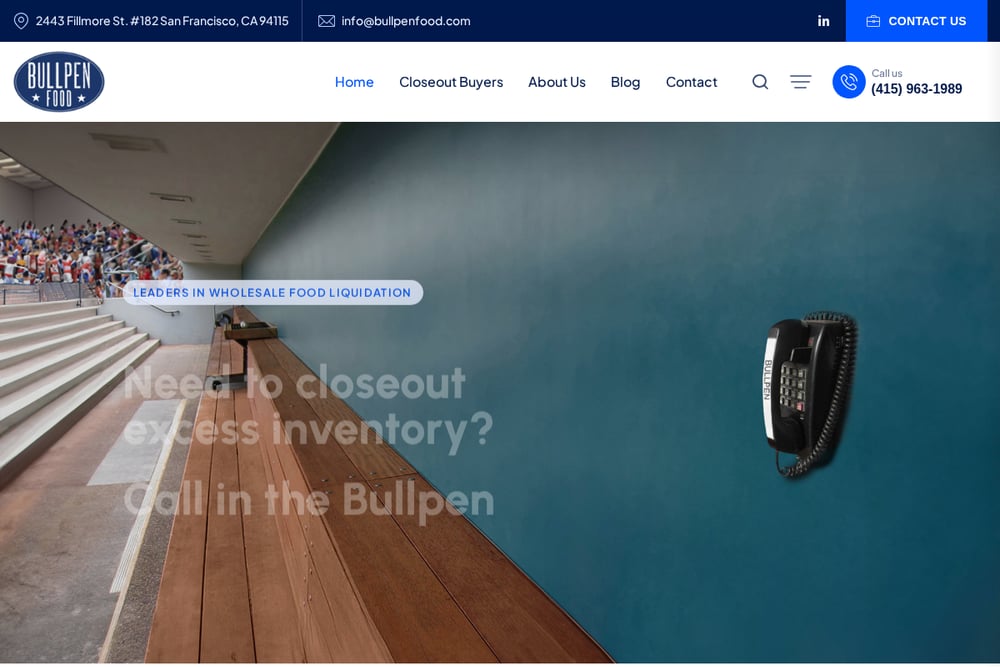 A screenshot of the Bullpen Food website.
Bullpen Food is a dedicated closeout buyer with a lead buyer carrying 25 years of experience in short-code grocery inventory. They buy inventory and move it through alternative channels fast, with trucks at your warehouse anywhere in the US or Canada in as little as 24 hours. Brand protection is central to their pitch: they are discrete and route product only into trusted secondary channels. They also advise on donation versus liquidation, including enhanced tax deductions for food bank donations. If speed and brand safety top your list, this is a serious contender.
#4 BNC Foods
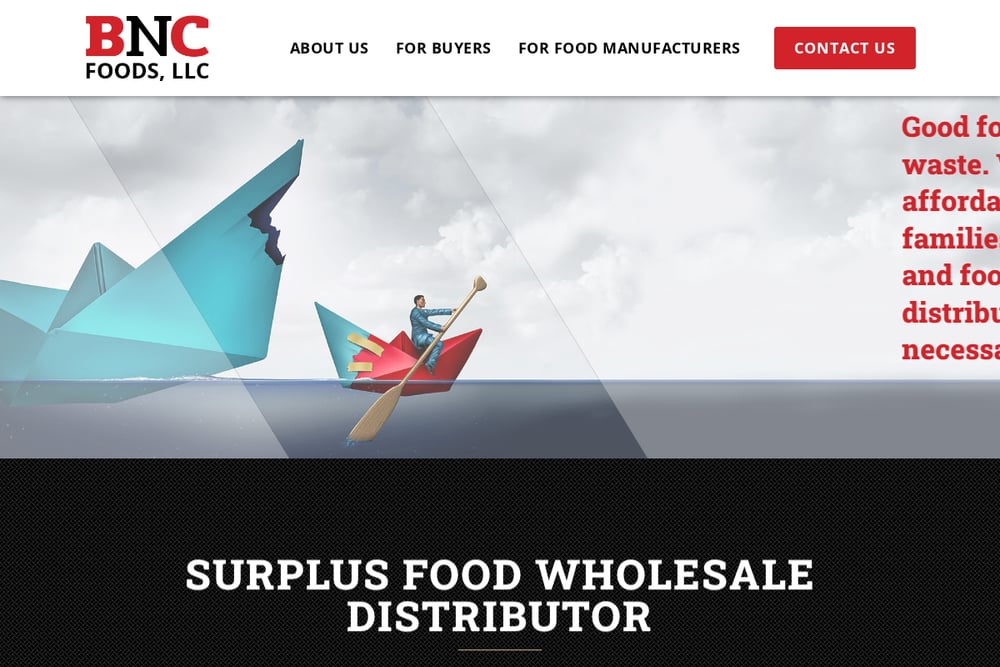 A screenshot of the BNC Foods website.
BNC Foods works with food manufacturers to move outdated, close-coded, distressed, discontinued, and overstocked items with total brand protection. They accept frozen, fresh, and dry products in industrial, retail, or foodservice pack, and they bundle-buy entire truckloads without cherry-picking. They position themselves as buyers and sellers, not brokers, and adhere to exact restrictions on sensitive labels. Re-packing partnerships are available for private label and off-spec items that need relabeling before resale. Choose them when your problem is the whole inventory, not a few pallets.
#5 Grizzly Trader
 A screenshot of the Grizzly Trader website.
Grizzly Trader buys surplus, short-dated, closeout, and obsolete grocery inventory from manufacturers, distributors, and brands. They take short-dated and close-coded items, discontinued and excess stock, packaging changes, retail returns, and warehouse cleanouts. Their buyer base includes discount grocery chains, food banks, correctional facilities, and bulk end users, which keeps your product out of your core retail accounts. They handle freight and buy flexible quantities from pallets to truckloads. It's a practical fit for smaller loads and brands that need a discreet secondary outlet.
How to choose the right buyer
Start with your payment terms. If you need cash before pickup, prioritize outright buyers with upfront payment. If you can wait for a network to place the load, a hybrid model may fetch more. Next, check logistics: who books the truck, and how far will they travel? Then ask where product ends up, because brand protection is not optional. Finally, match the buyer to your load size — a few pallets and multiple truckloads are different conversations.
A simple workflow to move inventory fast
Build one master list with SKUs, cases, best-by dates, and pickup location. Send it to two or three buyers the same morning so offers compete. Compare not just price but payment timing and freight responsibility. Once you accept, confirm the purchase order and ACH details before the carrier arrives. Keep a simple log of offers and outcomes so next quarter's decision is faster.
The bottom line
There is no single best buyer for every load. Overstock Trader brings scale and a network, United Merchants brings upfront payment and pickup certainty, Bullpen brings speed and brand discipline, BNC brings whole-truckload bundle buys, and Grizzly brings flexibility for smaller or discreet moves. Match the buyer to your terms, and your dead inventory becomes recovered margin instead of a warehouse problem.