
Empathy isn't a soft skill—it's the foundation for how kids learn, connect, and thrive. Here are five programs in the US that are quietly shaping the next generation of caring, confident humans.
The Growing Demand for Empathy Education
Parents and educators are waking up to a simple truth: empathy can be taught. Social-emotional learning (SEL) is no longer a nice-to-have—it's a core part of how children develop resilience, communication skills, and self-awareness. Programs across the US are stepping up with evidence-based curricula, story-driven experiences, and creative studios that make empathy tangible for kids. From classroom visits with babies to digital media literacy, the approaches vary—but the goal is the same: raise kids who understand themselves and others.
How We Evaluated These Programs
We looked at five key factors: service scope (what ages and topics are covered), delivery format (in-school, online, or hybrid), pricing clarity (how easy it is to understand costs), local fit (availability across US regions), and evidence base (research or expert backing). Each program stood out in different ways. Some excel at national reach, others at deep community ties or creative engagement. We noted what makes each unique—not who beat whom.
Here's a quick snapshot of the five programs, from classroom-based empathy training to story-driven SEL resources.
| Provider | Best For |
|---|---|
| Roots of Empathy | Schools seeking evidence-based, in-class empathy training |
| Empathy Studio | Families and educators looking for creative, multi-disciplinary SEL resources |
| Sesame Workshop | Parents and caregivers seeking free, multilingual SEL resources |
| Child's Play in Action | Parents looking for fun, actionable empathy activities at home |
| Making Caring Common | Educators and families interested in story-based empathy development |
A Closer Look at Each Program
#1 Roots of Empathy
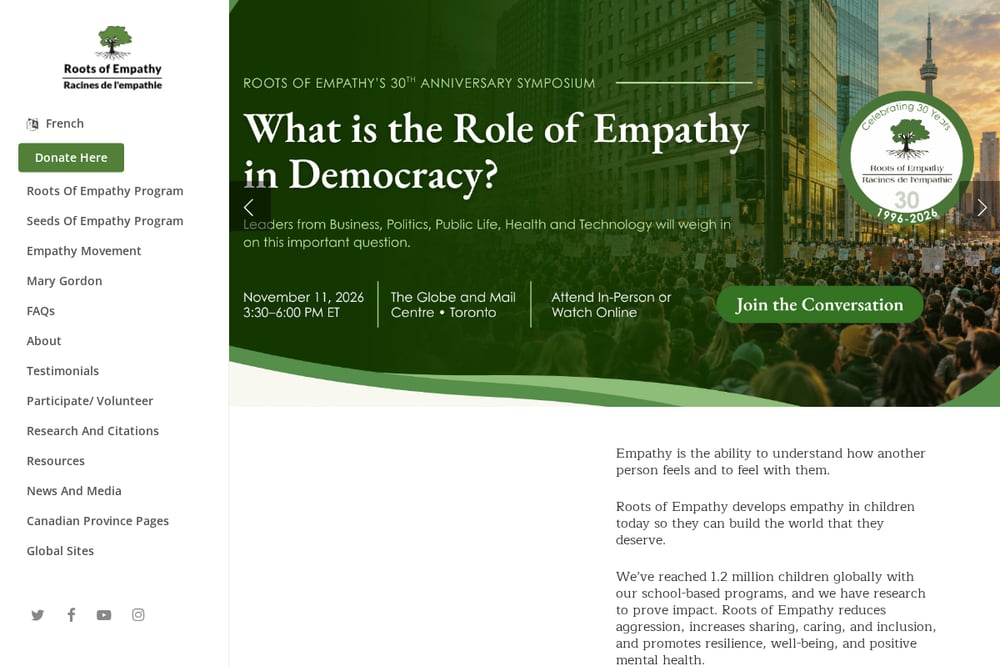 A screenshot of the Roots of Empathy website.
Roots of Empathy brings a baby and parent into elementary classrooms throughout the school year. A trained instructor uses a specialized curriculum to help children ages 5 to 13 recognize and connect with the baby's vulnerability and humanity. The program is delivered in multiple countries, including the US, and reaches rural, urban, and remote communities. It's backed by research and designed to reduce aggression while increasing empathy. If you want a proven, experiential approach, this is a standout.
#2 Empathy Studio
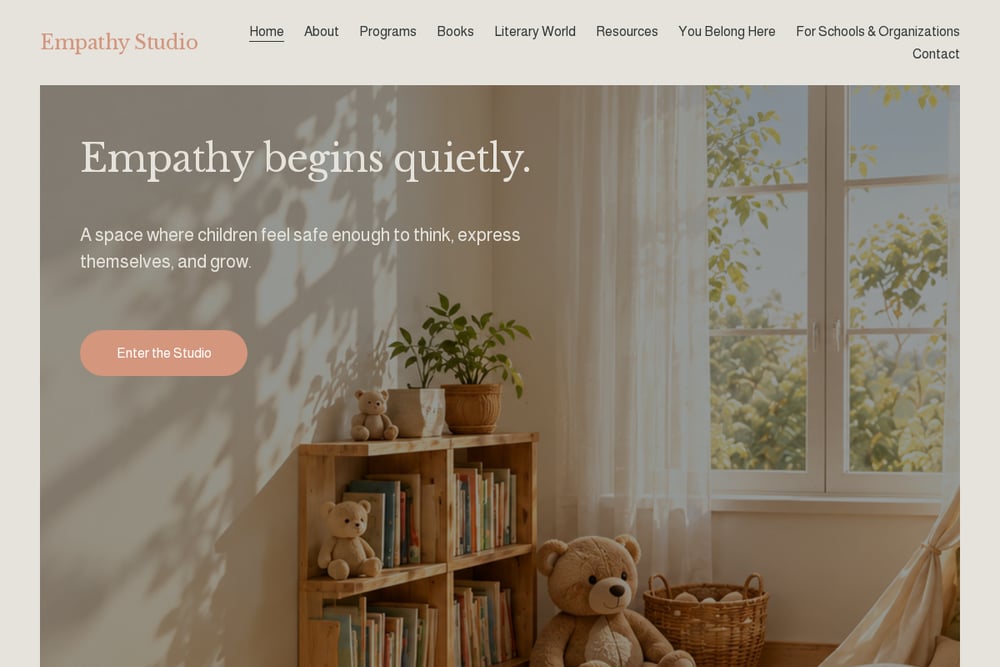 A screenshot of the Empathy Studio website.
Empathy Studio creates books, learning experiences, and resources that help children build empathy, confidence, and critical thinking. Their studio-based learning spaces cover everything from media literacy to AI, creative expression, and reflection. Programs are designed for children, parents, and educators, with a focus on feeling seen, heard, and valued. The approach is holistic—blending SEL with storytelling, writing, and speaking. It's a fresh take that meets kids where they are.
#3 Sesame Workshop
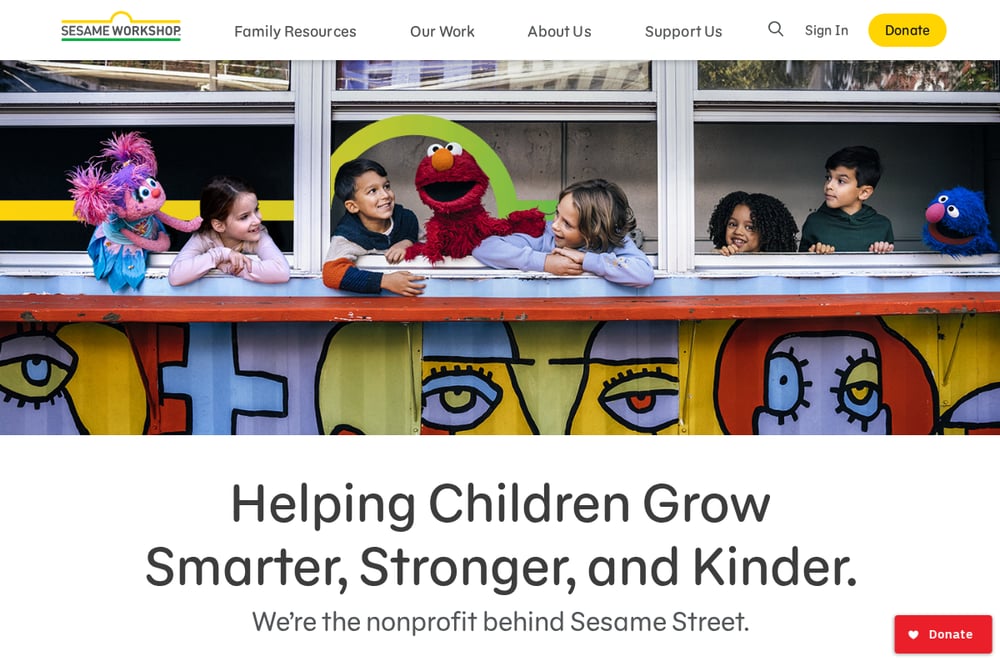 A screenshot of the Sesame Workshop website.
Sesame Workshop is the nonprofit behind Sesame Street, offering a wealth of free resources on social-emotional skills. Their website covers topics like calming strategies, children's feelings, friendship, and resilience. Resources are available in multiple languages, including Dari, Pashto, and Ukrainian, making them accessible to diverse families. The content is research-backed and designed for parents, caregivers, and educators. If you need trusted, ready-to-use tools, this is a goldmine.
#4 Child's Play in Action
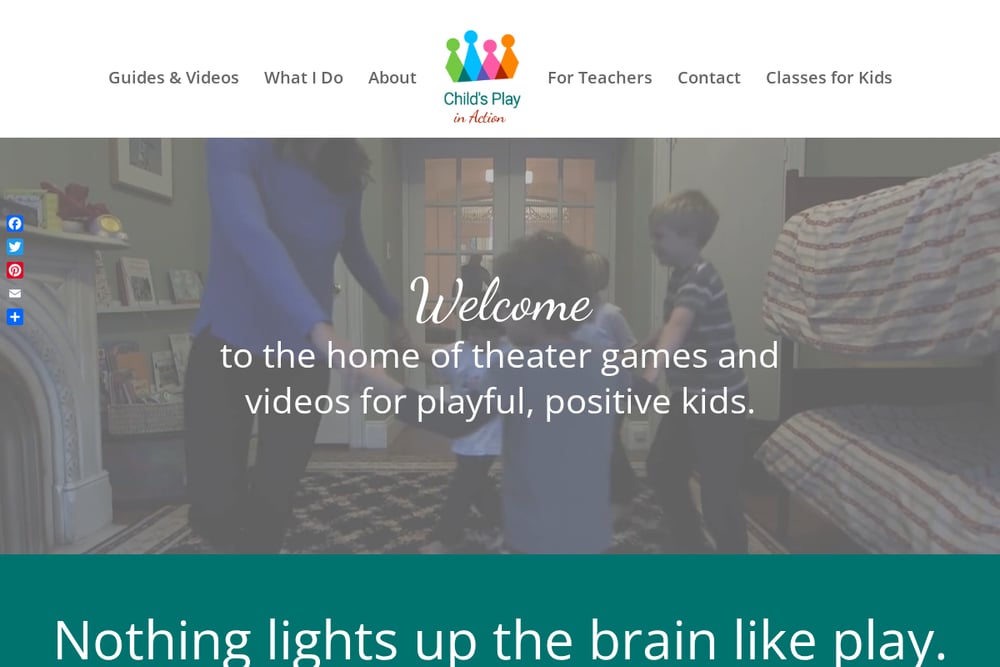 A screenshot of the Child's Play in Action website.
Child's Play in Action offers empathy activities and guides for kind, not-bored kids. Their approach is playful and practical, with classes for kids and resources for teachers. The site emphasizes the 'empathy advantage'—how kindness improves life outcomes and even brain health. Activities are designed to be engaging and self-sufficient, perfect for busy parents. It's a hands-on complement to more structured programs.
#5 Making Caring Common
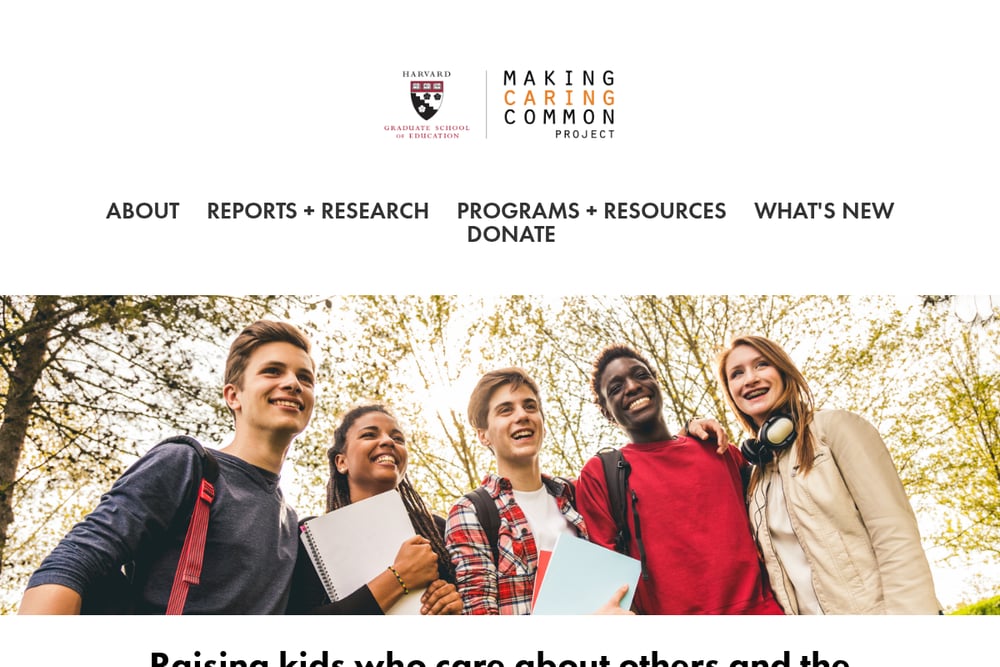 A screenshot of the Making Caring Common website.
Making Caring Common, a project of Harvard's Graduate School of Education, provides resources for families and educators to raise caring, ethical children. Their guide on using stories to develop empathy is particularly powerful—showing how books and media can act as windows, mirrors, and sliding doors. The resources are research-based and practical, with tips for discussing feelings and perspectives. It's ideal for those who want to weave empathy into everyday conversations.
How to Choose the Right Program for Your Child
Start by identifying your child's age and learning style. If you want a classroom-based, evidence-backed program, Roots of Empathy is a strong fit. For a creative, multi-disciplinary approach that you can use at home, Empathy Studio offers flexibility. If you're on a budget, Sesame Workshop provides free, high-quality resources. Child's Play in Action is great for playful, hands-on activities. And if you want to use stories to spark conversations, Making Caring Common is your go-to. Consider whether you need a full curriculum or supplemental tools—and whether you prefer in-person, online, or hybrid delivery.
Automating Empathy Learning at Home
You can streamline empathy education by combining resources. Start with a weekly story from Making Caring Common, then use an activity from Child's Play in Action to reinforce the theme. For deeper dives, enroll in an Empathy Studio program or use Sesame Workshop's videos as conversation starters. Track your child's progress with a simple journal—note moments of kindness, reflection, or perspective-taking. Automate reminders for these activities using a calendar app, and rotate resources to keep things fresh. The goal isn't perfection—it's consistency.
The Bottom Line on Empathy Education
Empathy is a skill, and like any skill, it grows with practice. The five programs here offer different paths—some structured, some playful, some story-driven. What matters is finding the one that fits your family's rhythm. Whether you're a teacher looking for a classroom program or a parent seeking bedtime-story prompts, there's a resource for you. Start small, stay consistent, and watch your child's world expand.