
Understanding your child’s temperament can transform everyday parenting moments. These five tools help you see the patterns beneath the behavior.
The Growing Demand for Temperament-Informed Parenting
Parents today are inundated with advice, yet many still feel unsure about how to respond to their child’s unique reactions. Temperament assessments offer a structured way to observe and understand those patterns. They draw on decades of research into goodness of fit—how a child’s traits interact with their environment and caregivers. The tools below range from free online questionnaires to printable rating scales, each designed to make that research practical for everyday life.
How We Evaluated These Temperament Tools
We looked at five factors: depth of assessment, age range covered, practical takeaways, accessibility, and clarity of guidance. New Age Children stands out for its focused 54-question format for ages 2–6 and its free report with actionable ideas. The Infant Toddler Temperament Tool (IT3) from ECMHC offers a short survey for infants and toddlers, with best-practice tips. The IECMHC version provides similar functionality with additional consultant resources. The Center for Parenting Education’s Temperament Rating Scales give a printable, self-guided option covering ten traits. HealthyChildren.org delivers a broad overview from the American Academy of Pediatrics, ideal for general understanding. Each tool serves a different need, and none is inherently superior—it depends on your child’s age and how you prefer to learn.
Here’s a quick look at each tool’s focus and format.
| Provider | Best For |
|---|---|
| Infant Toddler Temperament Tool (IT3) | Caregivers of infants and toddlers seeking a quick, research-backed survey |
| Free child and parent temperament test | New Age Children | Parents of children ages 2–6 who want a free, detailed report with practical ideas |
| Infant Toddler Temperament Tool (IT3) | Center of Excellence for IECMHC | Early childhood professionals and consultants needing training resources |
| Temperament Rating Scales | The Center for Parenting Education | Parents who prefer a printable, self-paced way to assess ten temperament traits |
| Understanding Your Child's Temperament | HealthyChildren.org | Parents seeking a pediatrician-reviewed overview of temperament concepts |
The 5 Child Temperament Tools in Detail
#1 Infant Toddler Temperament Tool (IT3)
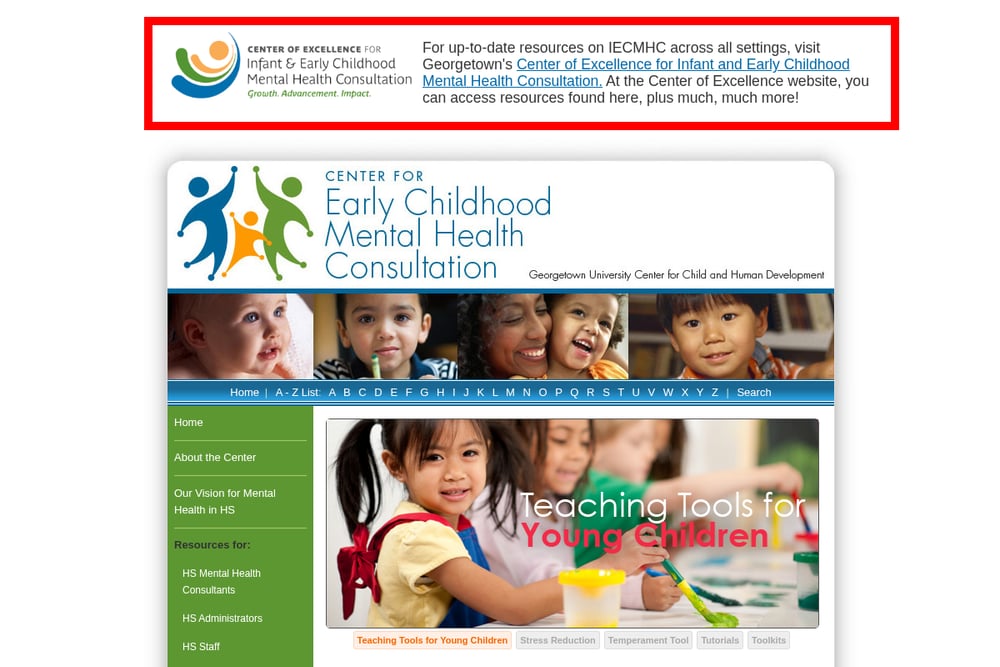 A screenshot of the Infant Toddler Temperament Tool (IT3) website.
The Infant Toddler Temperament Tool (IT3) was developed by the Center for Early Childhood Mental Health Consultation, funded by the Office of Head Start. It offers a short online survey for parents and caregivers of infants and toddlers, helping you recognize your own temperament traits alongside those of the child in your care. The tool then generates results that explain how similarities and differences may affect goodness of fit. You also get simple best-practice tips to foster each child’s unique temperament. It’s a solid starting point for caregivers of children from birth to 36 months.
#2 Free child and parent temperament test | New Age Children
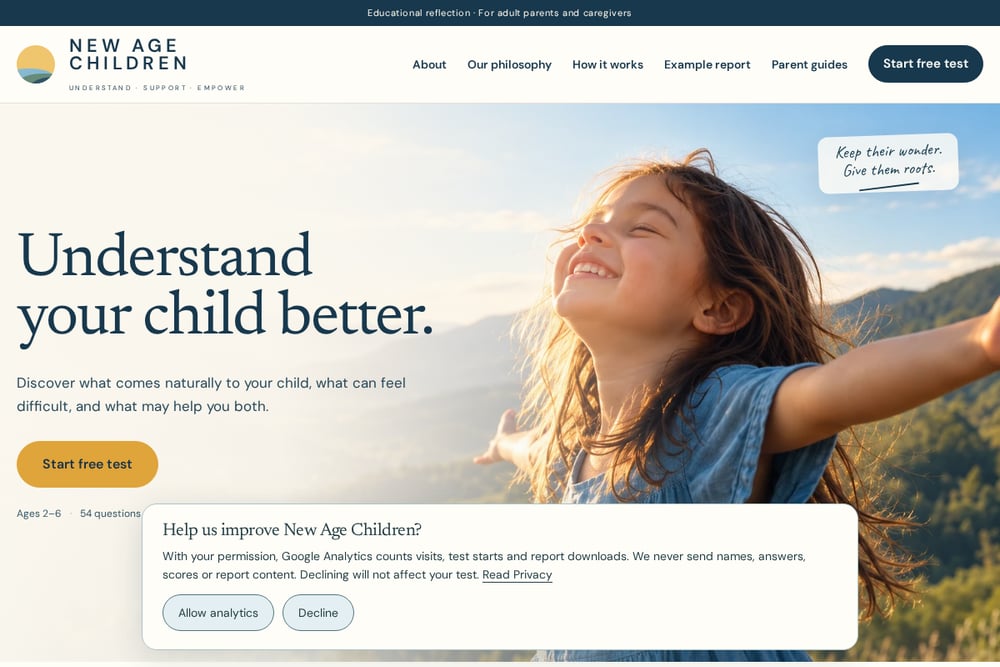 A screenshot of the Free child and parent temperament test | New Age Children website.
New Age Children offers a free 54-question temperament test for children ages 2–6, designed to reveal everyday patterns in your child and yourself. The Goodness of Fit test helps you look beneath the surface by combining your child’s temperament, your own preferences, and the situations you share. After completing the questionnaire, you receive a report with grounded, age-aware ideas to try in real moments. The site also provides parent guides on common challenges like preschool drop-off tears and playground transitions. It’s a practical, reflection-focused resource for parents who want actionable steps without perfect-parent promises.
#3 Infant Toddler Temperament Tool (IT3) | Center of Excellence for IECMHC
 A screenshot of the Infant Toddler Temperament Tool (IT3) | Center of Excellence for IECMHC website.
The Center of Excellence for Infant and Early Childhood Mental Health Consultation hosts the Infant Toddler Temperament Tool (IT3) with additional resources for consultants and programs. The online survey works the same way: you answer questions about your own temperament and a child’s, then see how the two interact. Results include best-practice tips to support the child’s unique traits. This version also offers print versions and case studies for training purposes. It’s especially useful if you’re an early childhood professional or want deeper contextual materials.
#4 Temperament Rating Scales | The Center for Parenting Education
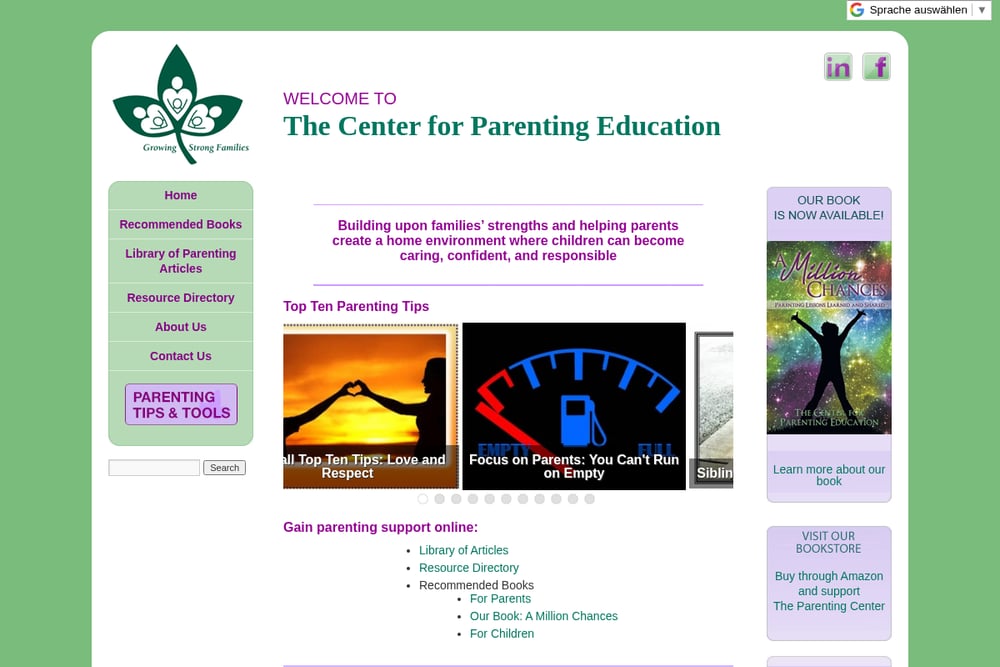 A screenshot of the Temperament Rating Scales | The Center for Parenting Education website.
The Center for Parenting Education provides a printable set of Temperament Rating Scales covering ten traits, including intensity, activity level, regularity, and quality of mood. Each trait is explained with everyday examples and a simple 1–5 scale, so you can rate your child and yourself. This self-guided format works well if you prefer paper or want to revisit your notes over time. It’s not an automated report, but it builds your observation skills. The scales are free to download and use at home.
#5 Understanding Your Child's Temperament | HealthyChildren.org
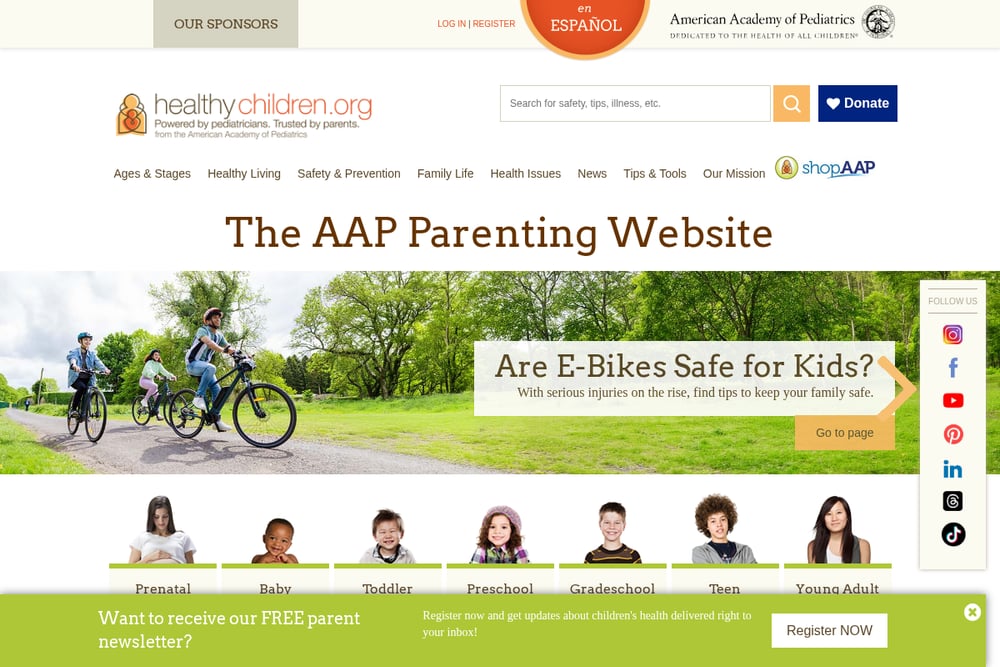 A screenshot of the Understanding Your Child's Temperament | HealthyChildren.org website.
HealthyChildren.org, backed by the American Academy of Pediatrics, offers a broad article explaining why temperament matters and how it shapes behavior. It covers key traits and gives general guidance on responding to different temperaments. You won’t find an interactive test here, but you’ll get a trustworthy overview that can complement any assessment. It’s a good first read if you’re new to the concept. The site also links to related pediatric advice for further support.
How to Choose the Right Temperament Tool for Your Family
Start with your child’s age. If they’re under 3, the Infant Toddler Temperament Tool (IT3) is a natural fit. For ages 2–6, New Age Children offers a free, in-depth questionnaire with a personalized report. If you prefer a printable, self-guided approach, the Temperament Rating Scales from The Center for Parenting Education give you flexibility. And if you want a trusted medical overview before diving into any test, HealthyChildren.org is a solid first stop. Consider whether you want automated results, practical tips, or simply educational context—then pick the tool that matches your learning style.
Automating Your Temperament Insights
You can streamline your temperament discovery by starting with a free online test like New Age Children’s 54-question questionnaire. Once you have the report, set a recurring calendar reminder to review the suggested strategies each week. Pair that with the printable rating scales from The Center for Parenting Education to track changes over time. For quick reference, bookmark the IT3 best-practice tips or the HealthyChildren.org overview. This simple workflow turns one assessment into ongoing, practical support.
The Bottom Line on Temperament Tools
No single tool has all the answers, but each of these five offers a valuable piece of the puzzle. New Age Children provides a free, actionable report for parents of young children. The IT3 tools give infant and toddler caregivers a quick, research-based survey. The Center for Parenting Education’s scales build observation skills, and HealthyChildren.org delivers trusted pediatric context. Try one, or combine a few, to deepen your understanding of your child’s unique temperament.