
You want growth that shows up on the balance sheet, not just in a motivational speech. These five coaching practices are worth a closer look before you book your next call.
The State of Business Strategy Coaching
Business strategy coaching has split off from general business coaching in a meaningful way. Traditional coaching often works on mindset, habits, and leadership presence. Strategy coaching digs into the structural decisions that shape your direction, market position, and long-term resilience. That distinction matters when you are choosing where to spend your budget. You are not just buying accountability. You are buying a framework for decisions that compound over years. The market now spans solo practitioners with deep operational scars, boutique advisory firms, and global consultancies with assessment libraries and succession tools. Each serves a different stage of company and a different kind of leader. The trick is matching the format to your actual bottleneck, whether that is clarity, systems, or revenue.
How We Evaluated These Practices
We looked at the same factors across every practice. Service scope came first: does the provider cover strategy, systems, leadership, and performance, or only one slice? Experience depth mattered too, especially years spent inside real businesses rather than only in classrooms. We weighed pricing clarity, since vague engagement models create friction before work even starts. Local and global fit was another factor, because a US-based leader may need both timezone-friendly access and international perspective. Finally, we considered how each practice frames outcomes, from measurable revenue growth to leadership behavior change. Krishan Godahewa stands out for combining 20+ years of mentoring with a free-call entry point and a results roadmap built around clarity, scalable systems, and consistent revenue. Mary Taylor & Associates emphasizes a clear split between business coaching and strategy coaching, with free resources and a free consultation. Jackson Advisory Group leans into structured planning, accountability, and decision models for owners. John Mattone brings a well-documented executive coaching methodology with certification depth. Korn Ferry offers enterprise-scale assessment, succession, and leadership development infrastructure.
Here is the quick comparison before the deeper profiles. Each entry reflects a different blend of scope, format, and audience.
| Provider | Best For |
|---|---|
| Mary Taylor & Associates | Leaders who want strategy coaching clearly separated from general coaching |
| Krishan Godahewa (Mento) | Corporate Trainer & Performance Mentor | Corporate leaders and high performers who want strategy plus performance coaching |
| Jackson Advisory Group | Business owners who need planning discipline and accountability |
| John Mattone | Executives who want a structured, research-backed coaching program |
| Korn Ferry | Large organizations linking coaching to succession and talent strategy |
The Five Practices in Detail
#1 Mary Taylor & Associates
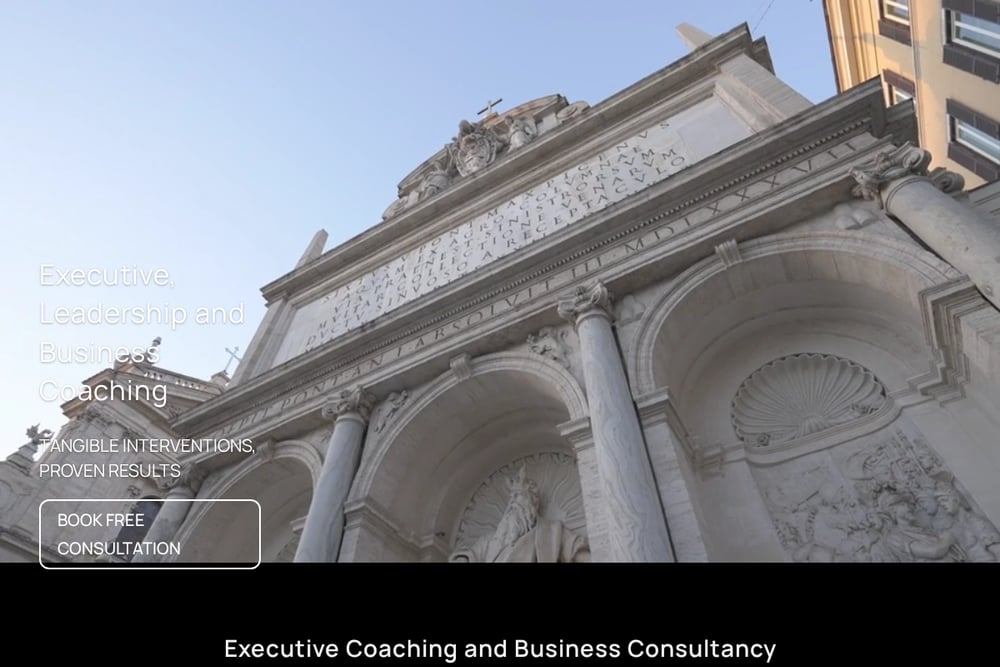 A screenshot of the Mary Taylor & Associates website.
Mary Taylor & Associates draws a sharp line between general business coaching and business strategy coaching. That clarity helps you understand what you are actually buying. The firm publishes free resources and news insights that explain how strategy coaching differs in depth, focus, and outcomes. You can book a free consultation before committing, which lowers the risk of a mismatch. Their service menu spans interview coaching, leadership coaching, CEO coaching, executive coaching, business coaching, and consultancy, so leaders at several levels can find a fit. It suits you if you want a firm that thinks carefully about the structural decisions behind long-term competitiveness.
#2 Krishan Godahewa (Mento) | Corporate Trainer & Performance Mentor
 A screenshot of the Krishan Godahewa (Mento) | Corporate Trainer & Performance Mentor website.
Krishan Godahewa (Mento) positions himself as a business strategist, corporate trainer, and performance development mentor with over 20 years of experience. His site frames the work around three outcomes: clarity in your business direction, stronger scalable systems, and consistent revenue growth. That is a practical promise, not a vague one. You get a free call as the entry point, which lets you test the fit before spending. His background spans business, finance, and organizational development, and he works with corporate leaders, organizations, and elite athletes, including Paralympic World Recordists. If you want a mentor who blends strategic insight with peak performance coaching, this is a strong place to start.
#3 Jackson Advisory Group
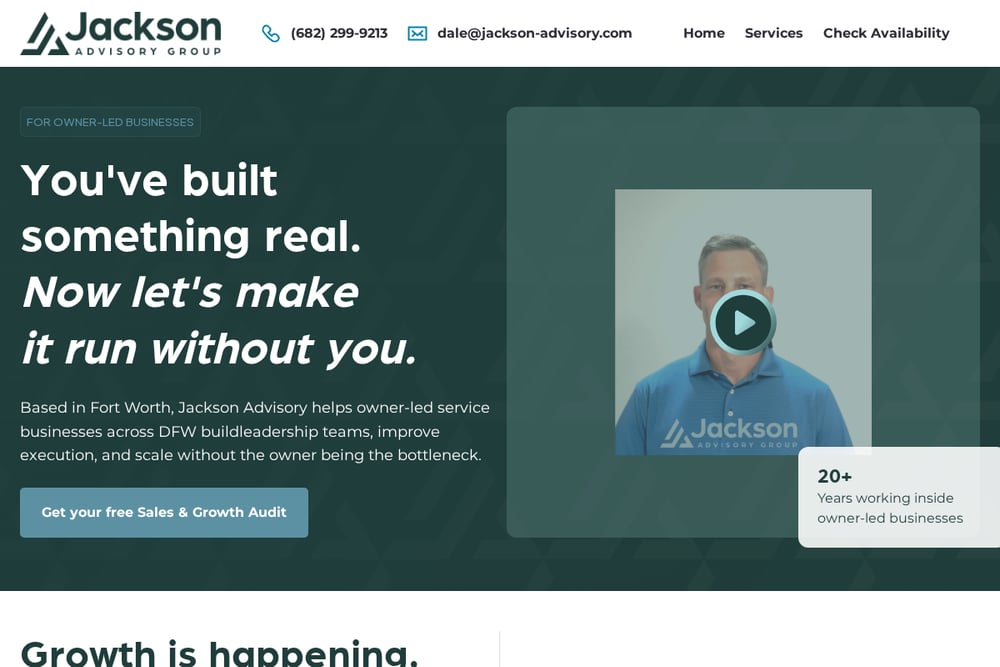 A screenshot of the Jackson Advisory Group website.
Jackson Advisory Group focuses on turning scattered effort into predictable progress. Their strategic business coaching framework emphasizes long-term goals, better decisions, and leadership systems that drive growth. They work with business owners through guided planning, accountability, and practical decision models. The approach is built for companies where daily decisions have outpaced strategy. You get tools to track progress, analyze results, and adjust tactics when markets shift. It fits owners who want structure and cadence rather than open-ended conversation.
#4 John Mattone
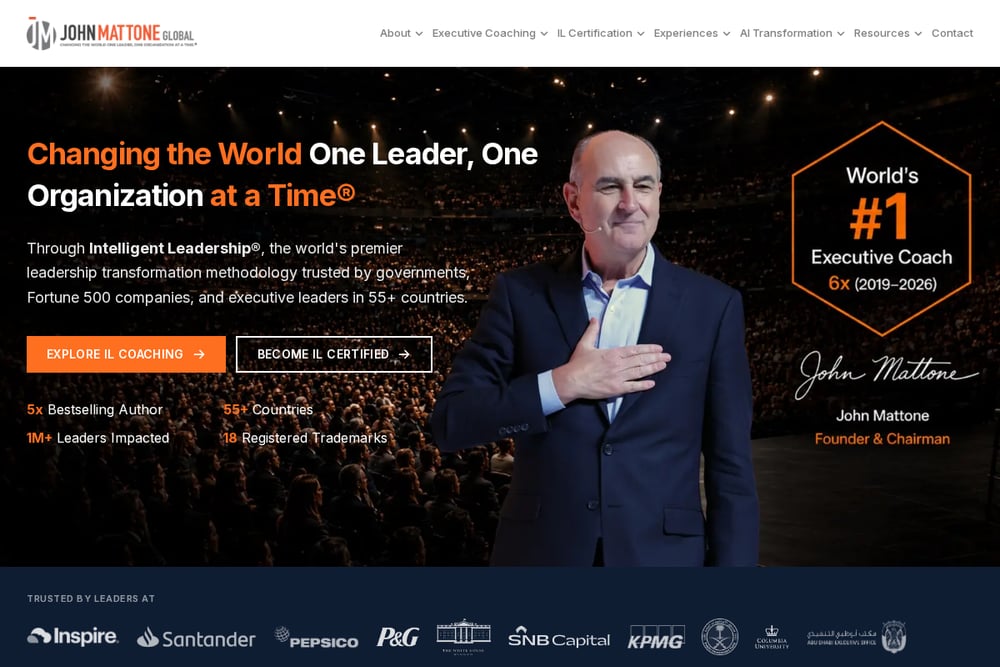 A screenshot of the John Mattone website.
John Mattone is known for executive coaching with a documented methodology and certification path. His writing draws a clear distinction between executive coaching, which targets the decision-maker, and business coaching, which targets systems and strategy. That framing helps you diagnose whether your real problem is the leader or the business. The site covers program structure, goals, and benefits for leaders and organizations. If you are weighing executive development against business-level strategy work, his comparison content is genuinely useful. It suits senior leaders who want a rigorous, research-backed coaching relationship.
#5 Korn Ferry
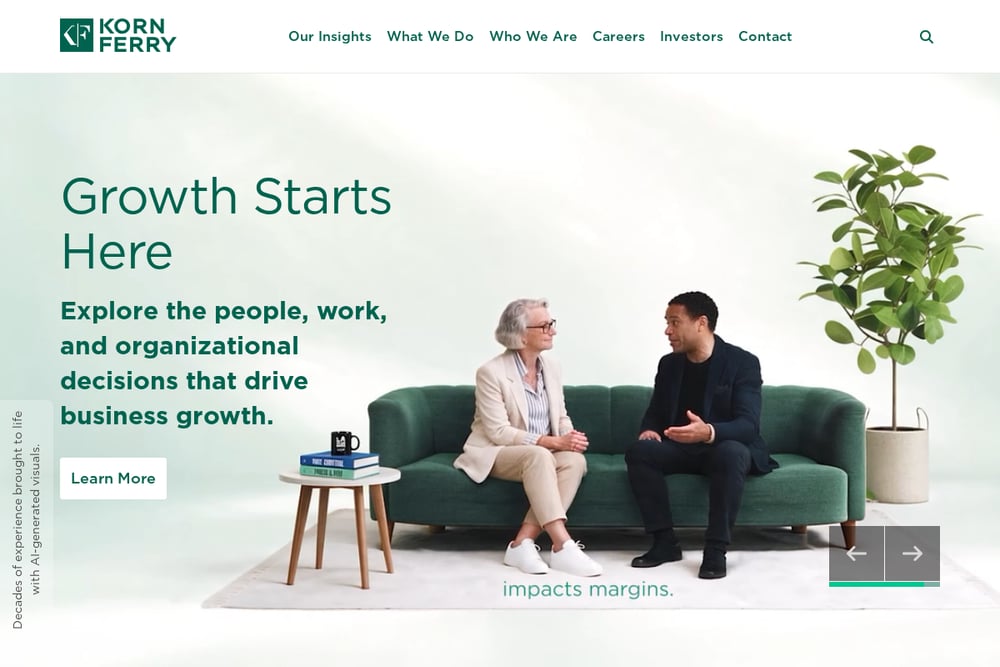 A screenshot of the Korn Ferry website.
Korn Ferry operates at enterprise scale, with coaching sitting inside a much larger leadership and professional development capability. Their solutions span board and CEO services, organization strategy, assessment and succession, talent acquisition, and total rewards. That breadth matters when coaching needs to connect to hiring, promotion, and succession planning. They also publish substantial research through the Korn Ferry Institute, so you can pressure-test ideas before you buy. This is a fit for larger organizations that need coaching tied into a wider talent system. Smaller firms may find the infrastructure heavier than they need.
How to Choose the Right Coach
Start with your bottleneck. If you cannot articulate where the business is going, you need direction work. If you know the direction but the operation feels chaotic, you need systems work. If revenue is flat despite effort, you need pricing, positioning, and marketing strategy. Then check the format. A solo mentor gives you direct access and fast decisions. A boutique firm gives you structure and accountability. A large consultancy gives you assessment depth and integration with talent systems. Ask about pricing clarity early, because vague engagement models waste everyone's time. Use free consultations to test whether the coach asks sharp questions or just talks. Finally, confirm the coach has worked with leaders at your stage, not just your industry.
Where Automation Fits Into the Workflow
Coaching is human work, but the scaffolding around it can be automated. Set up a shared dashboard for your three growth metrics so every session starts with data instead of memory. Automate session scheduling and reminder sequences to protect the cadence. Use a simple CRM pipeline to track decisions made in each call and who owns them. Send a short automated recap after every session with action items and deadlines. Route weekly check-ins through a form so your coach sees progress before you meet. That frees live time for the strategic conversations that actually move revenue.
The Bottom Line
You do not need the biggest name. You need the right fit for your bottleneck. If you want a mentor who combines 20+ years of experience with a clear results roadmap and a free starting call, Krishan Godahewa (Mento) is worth your first conversation. If you want strategy coaching clearly separated from general coaching, look at Mary Taylor & Associates. For planning discipline, Jackson Advisory Group delivers structure. For executive-level rigor, John Mattone offers a documented method. And for enterprise integration, Korn Ferry brings the infrastructure. Pick based on where you are stuck, then commit to the cadence.