
You know the stats: underserved entrepreneurs face massive barriers—language, capital, networks. But a new wave of incubators is flipping the script. I dug into five programs that don't just talk about inclusion; they build it into their DNA. From multilingual
The Incubation Gap: Why Most Programs Miss Underserved Communities
Business incubation has exploded, but most programs still cater to English-speaking, well-connected founders. Underserved communities—immigrants, people of color, low-income entrepreneurs—get left out. The result? A massive gap in startup success rates. The good news: a new generation of incubators is closing that gap with multilingual tools, neighborhood-first strategies, and inclusive program design. These five programs are leading the charge.
How I Ranked These Incubators
I evaluated each program on three criteria: reach into underserved communities, quality of support (mentorship, tools, funding access), and scalability of their model. Bonus points for multilingual offerings and anti-displacement focus. The goal was to find programs that don't just talk inclusion—they deliver it.
Here's a quick snapshot of the top 5 business incubators for underserved communities, ranked by impact and accessibility.
| Provider | Best For |
|---|---|
| Bridge for Billions | Structured, global incubation with expert mentorship |
| New Economy Initiative | Actionable frameworks for reaching underserved businesses |
| ICIC | Minority-focused accelerator programs and research |
| Home | Multilingual incubation with a supporting app |
| Small Business Anti-Displacement Network (SBAN) | Anti-displacement strategies for neighborhood businesses |
Deep Dive: The Top 5 Incubators for Underserved Entrepreneurs
#1 Bridge for Billions
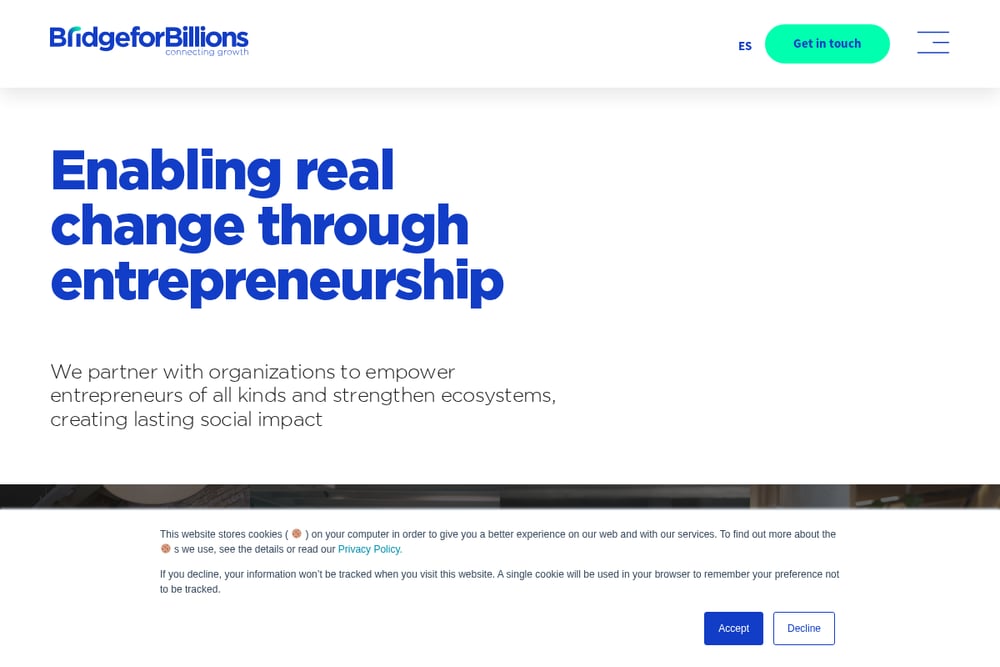 A screenshot of the Bridge for Billions website.
Bridge for Billions runs a digital ecosystem of incubation programs that gives early-stage entrepreneurs the tools and guidance to validate their business models. Their 8-module methodology is backed by incubation experts and includes perks like Google Cloud and AWS discounts. They run region-specific programs—like the EDP Hope Fund focused on fair energy transition for underserved communities. You get unlimited access to a global community, exclusive workshops, and group sessions. It's a structured yet flexible path that works across continents.
#2 New Economy Initiative
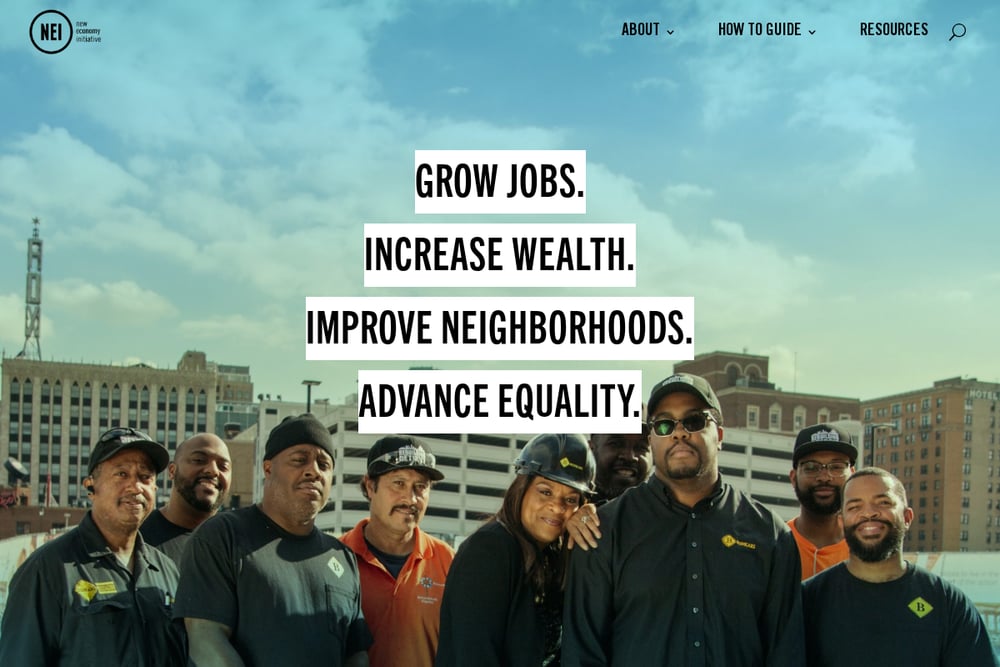 A screenshot of the New Economy Initiative website.
New Economy Initiative (NEI) is all about reaching underserved small businesses that have survived without structural supports like outside financing. Their how-to guide breaks down exactly how to find these businesses, build a support network, and measure impact. They emphasize steward leadership and inclusive practices among business support organizations. If you're looking for a framework to actually connect with and uplift underserved entrepreneurs, NEI's research-backed approach is gold.
#3 ICIC
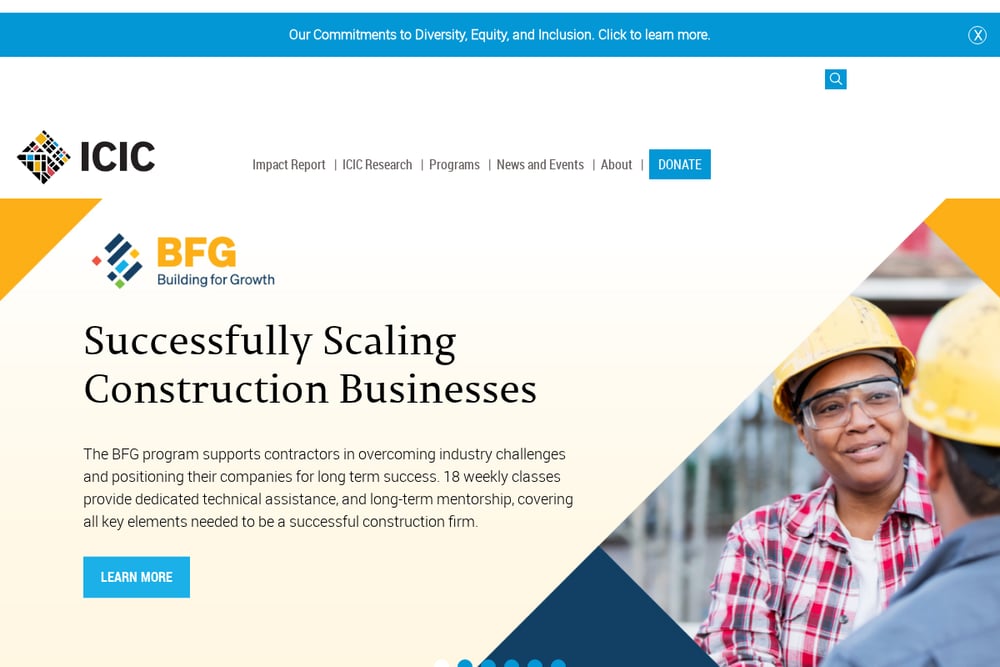 A screenshot of the ICIC website.
ICIC (Initiative for a Competitive Inner City) tackles minority entrepreneurship head-on with programs like Inner City Capital Connections and the Manufacturing Accelerator. They run the Inner City 100 awards and offer coaching, webinars, and AI training for small businesses. Their blog post 'Want to Increase Minority Entrepreneurship? Make Incubators More Inclusive' shows they're thinking critically about access. ICIC combines research, convenings, and direct program delivery to drive real change in underserved communities.
#4 Home
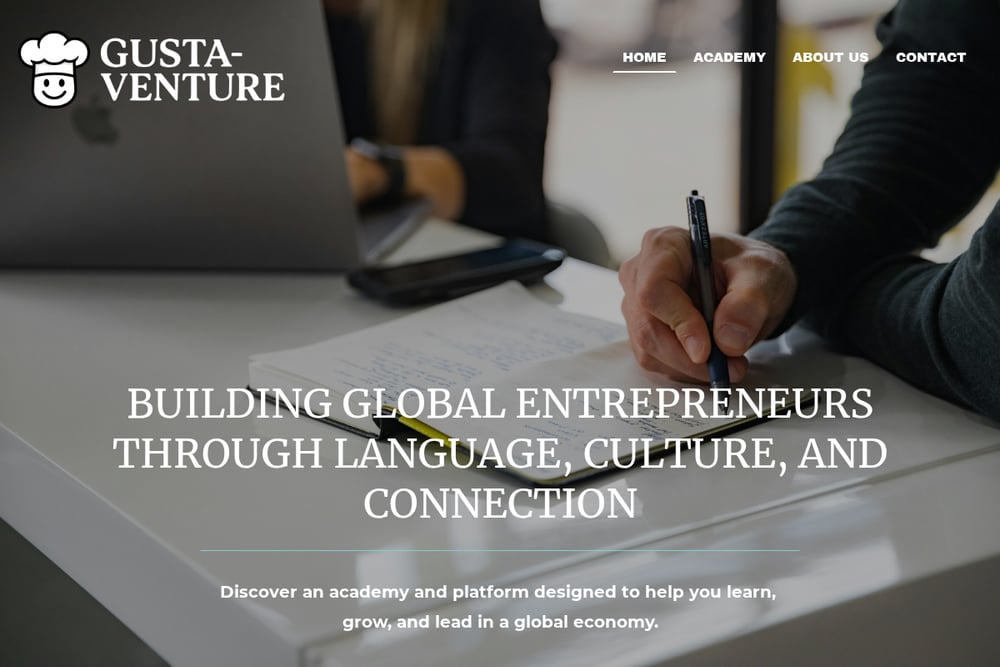 A screenshot of the Home website.
Gusta-Venture Academy delivers a multilingual business incubation program that pairs classroom learning with a supporting app packed with cross-cultural business intelligence tools. It's built specifically to empower underserved communities through entrepreneurship education. The app component means you can access business insights on the go, breaking down language and cultural barriers. Sophie Pouillet's platform is a fresh take on making incubation truly accessible—no matter what language you speak.
#5 Small Business Anti-Displacement Network (SBAN)
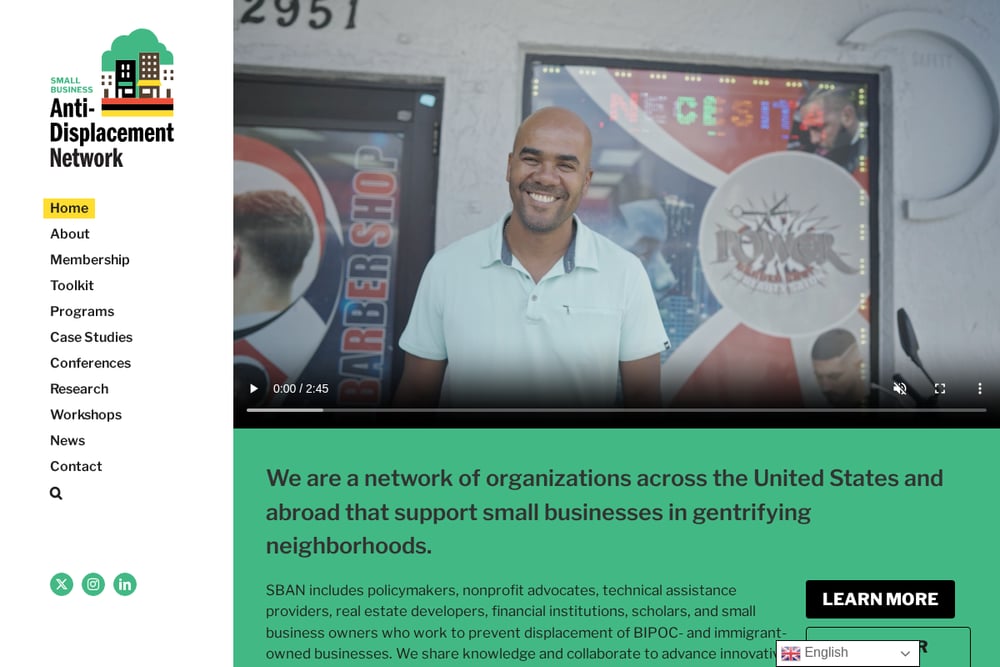 A screenshot of the Small Business Anti-Displacement Network (SBAN) website.
The Small Business Anti-Displacement Network (SBAN) focuses on keeping neighborhood businesses rooted through tools like neighborhood business incubators. Their toolkit covers everything from commercial rent regulations to community ownership models. They host working groups, webinars, and an annual summit—2026's theme is preventing climate displacement. If you're worried about gentrification pushing out local entrepreneurs, SBAN gives you the playbook to fight back.
How to Choose the Right Incubator for Your Community
Start by asking: what's the biggest barrier your community faces? Language? Capital? Displacement? If language is the issue, go with a multilingual program like Gusta-Venture Academy. If you need a structured global curriculum, Bridge for Billions is your best bet. For neighborhood preservation, SBAN's toolkit is unmatched. And if you want research-backed frameworks, NEI and ICIC have you covered. Match the program's strength to your community's pain point.
Automate Your Incubator Outreach
You can streamline your incubator application process with a simple automation: use a tool like Zapier to connect a Google Form (where entrepreneurs submit their info) to a CRM like HubSpot. Then, automatically send a welcome email with program details and a link to the app. For multilingual programs, set up conditional logic to send the right language version. This saves hours and ensures no one falls through the cracks.
The Bottom Line: Inclusion Is the New Standard
The old model of incubation—one-size-fits-all, English-only, city-centric—is dying. These five programs prove that you can build for underserved communities without sacrificing quality. Whether you're a founder looking for support or an organization designing a program, take notes. The future of entrepreneurship is multilingual, neighborhood-rooted, and radically inclusive.