Missed a filing and the state doesn't send a reminder. These five services watch your deadlines so you don't have to.
The Compliance Monitoring Landscape
Small business owners wear every hat. Compliance is the one that quietly slips. Annual reports, franchise taxes, registered agent renewals, and periodic statements all carry their own deadlines, and each state runs its own calendar. Miss one and you risk late fees, administrative dissolution, or losing good standing with lenders and partners.
That gap created a category of services built around watching the clock for you. Some are free portals tied to formation companies. Others are full-service corporate agents that file on your behalf. A newer wave focuses on plain-language audits and deadline maps for owners juggling a handful of entities with no staff to track them.
The right fit depends on how hands-on you want to be. Do you want a dashboard you check yourself, or a service that emails you before anything lapses? Knowing the difference saves you money and headaches.
How We Evaluated These Services
We looked at the same factors across every provider. Service scope came first: does the service only track deadlines, or does it also file, audit standing, and handle renewals? Pricing clarity mattered just as much, including whether state fees are marked up or passed through at cost.
We also weighed how each service fits different owners. A solo founder with one LLC has different needs than a firm managing multiple entities across states. Transparency around cancellation and refunds counted too, since compliance subscriptions are easy to forget.
Finally, we considered the quality of communication. Clean summaries, categorized reminders, and plain-English reports beat a wall of portal notifications. Each service below stood out on a different combination of these factors.
Here's a quick look at how the five services compare on scope, pricing model, and who they serve. Details follow in the deep dive.
| Provider | Best For |
|---|---|
| BusinessRocket | Budget-conscious owners who want a free tracking portal |
| Make It Plain Enterprises — Business Compliance | Small owners who want a done-for-you audit and deadline map |
| InCorp | Owners who want monitoring plus a full corporate services menu |
| United Corporate Services | Companies that want filings handled, not just tracked |
| Commenda | Multi-entity teams that need a compliance system of record |
The Five Services in Detail
#1 BusinessRocket
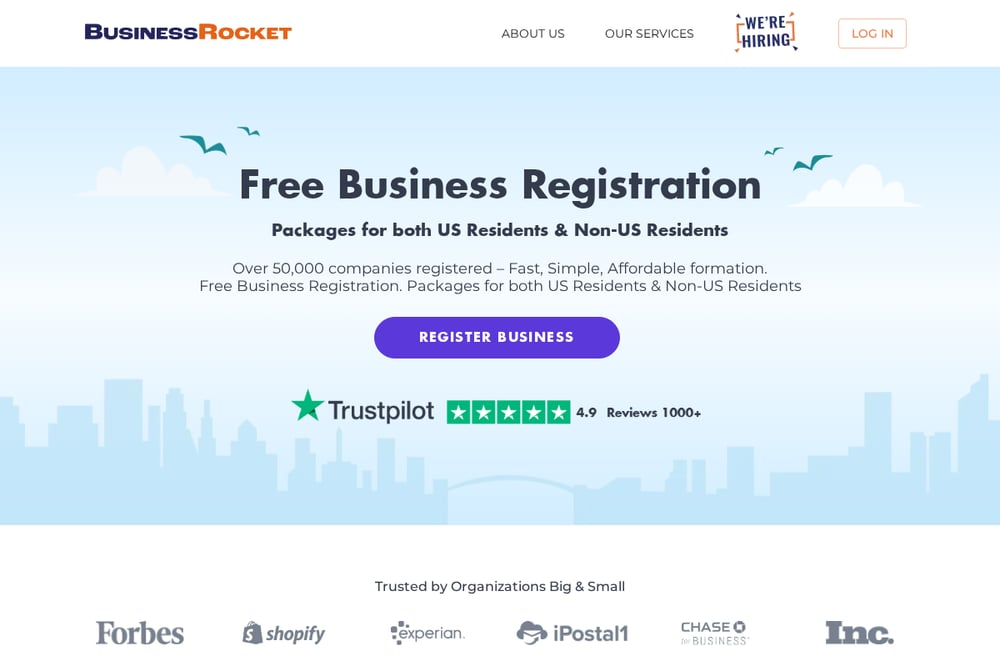 A screenshot of the BusinessRocket website.
BusinessRocket bundles a free compliance portal with its formation and licensing services. You create a profile, add unlimited existing entities, and receive state and federal alerts on due dates. The company reports over 35,000 clients and tens of thousands of tracked companies.
Because the monitoring is free, the model works best if you also use BusinessRocket for filings, registered agent service, or licenses. It's a broad platform play rather than a dedicated compliance desk. If you want a no-cost dashboard and don't mind self-managing the follow-through, it's a practical starting point. See the compliance monitoring page for details.
#2 Make It Plain Enterprises — Business Compliance
 A screenshot of the Make It Plain Enterprises — Business Compliance website.
Make It Plain Enterprises built its service around owners with one to five entities and no staff watching deadlines. You order a Business Health Check for $99 per entity, upload your formation documents through a secure link, and receive a full standing audit plus a complete deadline map. From there, monitoring runs $29 per month per entity, or $290 per year, with additional entities at $12 monthly.
State fees pass through at cost with no markup, and the refund promise is unusually direct: if the Health Check can't be completed, you don't pay. Monitoring cancels anytime without a phone call. The workflow is deliberately simple, from document upload to a clean monthly summary in your inbox. You can review the full service and pricing on their site.
#3 InCorp
 A screenshot of the InCorp website.
InCorp has operated since 1998 and pairs compliance monitoring with a deep bench of corporate services. Its EntityWatch tool tracks deadlines, while the broader catalog covers annual reports, certificates of good standing, foreign qualification, and amendments. The company also publishes a detailed knowledge base explaining how compliance calendars work.
This is a fit for owners who expect to need filings and document retrieval alongside monitoring. The trade-off is complexity: you're choosing from a large menu rather than a single packaged plan. If you want one provider for registered agent, annual reports, and tracking, InCorp covers the ground. Their compliance calendar guide explains the underlying obligations well.
#4 United Corporate Services
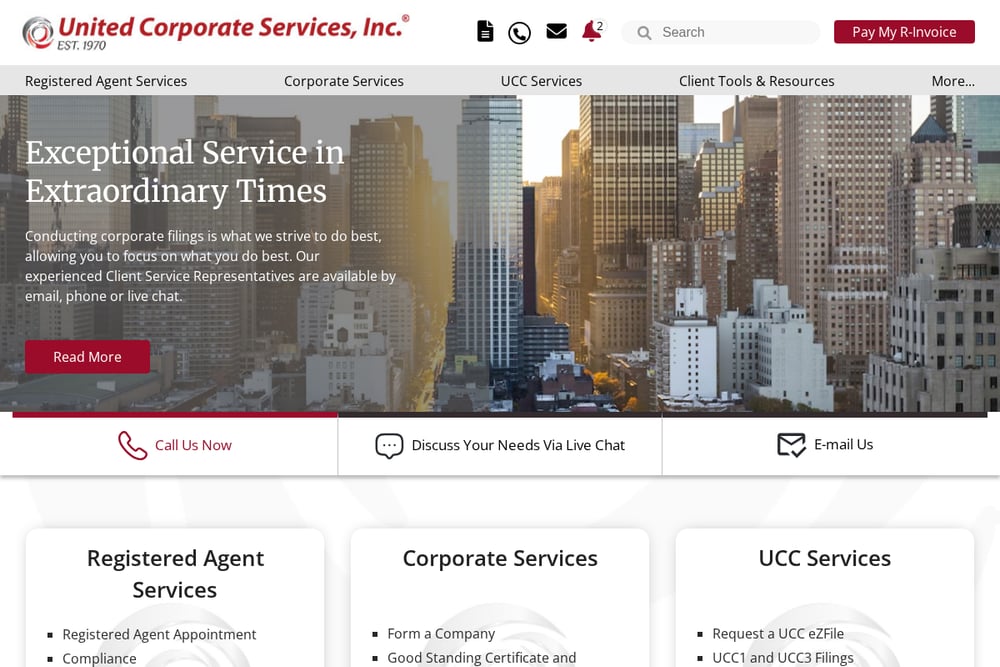 A screenshot of the United Corporate Services website.
United Corporate Services ties compliance monitoring directly to its registered agent role. As your agent, UCS monitors your company's standing and files annual reports, so the tracking and the filing happen in one place. The firm also handles good standing certificates, document retrieval, dissolutions, and reinstatements.
That makes it a natural choice if you'd rather delegate filings entirely than receive reminders and act on them yourself. The service leans toward established companies and those with multi-state needs. Pricing is quote-based rather than published, so expect a conversation before you commit. Learn more on their compliance services page.
#5 Commenda
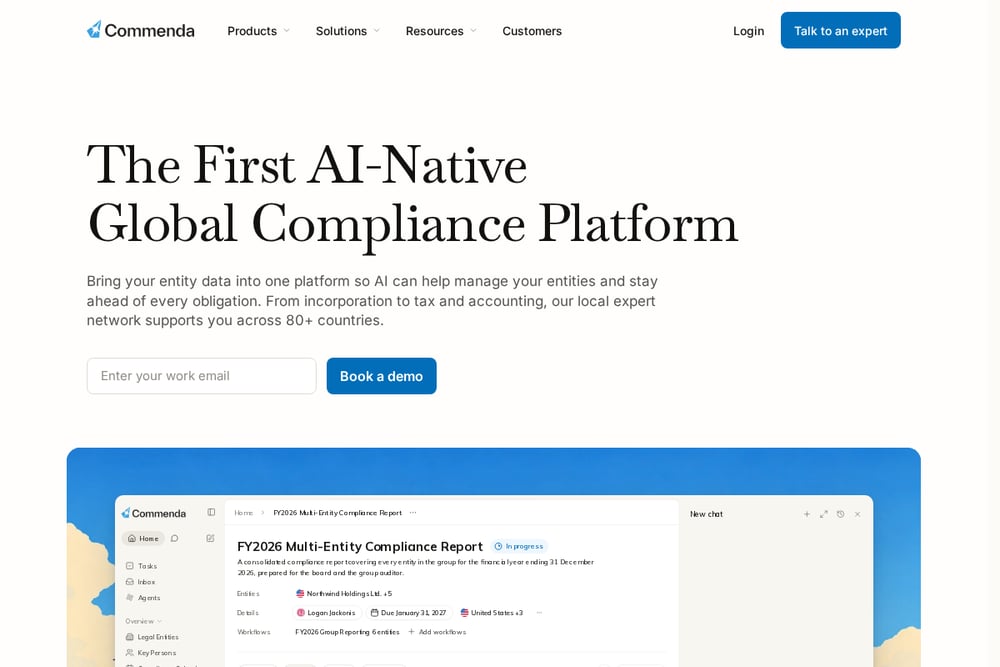 A screenshot of the Commenda website.
Commenda approaches compliance as entity management software. Every statutory obligation, from annual returns to registered office renewals, gets mapped into one calendar with an owner and a status attached. The platform then prepares and files the paperwork.
This is built for startups, finance teams, and accounting firms managing multiple entities, including cross-border structures. The emphasis is on visibility and workflow rather than a simple reminder email. If you need a system of record for entity obligations across jurisdictions, Commenda fits that mold. Their compliance calendar product shows how the tracking works.
How to Choose the Right Fit
Start with a simple question: do you want to be reminded, or do you want it handled? Reminder-based services cost less and keep you in control. Full-service options cost more but remove the filing work from your plate entirely.
Next, count your entities and states. One LLC in one state is easy to track manually with a good calendar. Five entities across three states is where a dedicated service earns its fee. Check whether state fees are passed through at cost or marked up, since that changes the real annual cost.
Read the cancellation and refund terms before you sign up. A service that lets you cancel anytime without a phone call respects your time. Finally, look at how reports arrive. A clean monthly summary you actually read beats a portal you never log into.
Where Automation Fits In
Compliance work is mostly repetition: the same filings, the same dates, the same documents. That makes it a strong candidate for automation.
A practical workflow looks like this. Upload your formation documents once to a secure location. Let the service parse them into a deadline calendar. Set reminders at 60, 30, and 7 days before each obligation. Route the monthly summary to an inbox you check. When a filing is due, either the service files it or you get a direct link to the state portal.
Keep a single folder for certificates of good standing and confirmation receipts. When a lender or partner asks for proof of standing, you'll have it in seconds instead of scrambling.
The Bottom Line
Compliance isn't glamorous, but it protects everything you've built. The five services here cover the spectrum, from free tracking portals to fully managed filing and entity management platforms.
If you have a handful of entities and no staff to watch dates, a done-for-you audit and monitoring plan removes the guesswork. If you're managing many entities across states, a system of record makes more sense. Match the service to your entity count, your appetite for admin work, and your budget for state fees.
Pick one, upload your documents, and put the calendar on autopilot. Your future self will thank you when renewal season arrives.