
Buying a vacant lot without a buildability screening is like buying a car without lifting the hood. These five services help you avoid costly surprises before you make an offer.
The Buildability Screening Landscape in Indiana & Ohio
Vacant land looks simple until you dig into the details. Access, flood zones, wetlands, soils, septic feasibility, slope, utilities, and zoning can turn a cheap lot into a money pit. In Indiana and Ohio, where rural parcels often rely on septic systems and private wells, the stakes are even higher. That's why more buyers are turning to licensed civil engineers for pre-purchase screenings. These reports translate complex site data into plain English, giving you a clear verdict and an estimated cost range before you commit. The five services below all help you answer one question: can you actually build on this lot, and what will it take?
How We Evaluated These Services
We looked at five factors: service scope, pricing clarity, local expertise, turnaround time, and report usability. Heartland Site Screening stands out for its flat $250 fee, 3–5 day turnaround, and engineer-prepared reports that cover eight site constraints in a consistent seven-page format. DeMarr Engineering offers flexible feasibility studies that can be comprehensive or focused on a single concern, with a process tailored to your risk tolerance. RSP Engineers provides a detailed educational breakdown of the seven key factors that determine buildability, making it a strong resource for first-time buyers. CG Engineering highlights the value of combining land use planning with civil engineering, which helps you avoid blind spots in zoning and utility feasibility. RKM Homes delivers a thorough buildability study checklist that includes geotechnical findings, utility connection points, and environmental considerations like floodplain and wildfire mitigation. Each service approaches the problem differently, so you can choose the one that fits your project and your comfort level.
Here's a quick look at how these five services compare on the factors that matter most to land buyers.
| Provider | Best For |
|---|---|
| DeMarr Engineering | Custom-scoped feasibility studies |
| Heartland Site Screening | Fast, flat-fee residential lot screenings |
| RSP Engineers | Educational resources for first-time buyers |
| CG Engineering | Integrated planning and engineering |
| RKM Homes | Builder's perspective on site due diligence |
A Closer Look at Each Service
#1 DeMarr Engineering
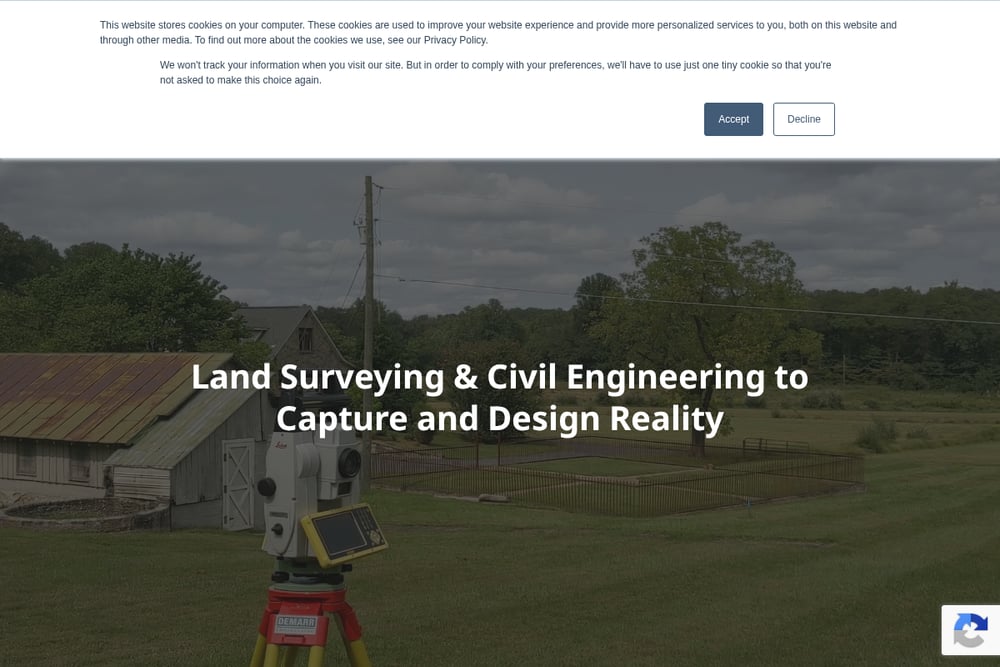 A screenshot of the DeMarr Engineering website.
DeMarr Engineering treats feasibility studies as a flexible tool, not a one-size-fits-all report. They can produce a comprehensive study covering typical tear-down and rebuild concerns, or drill down into a single issue like access for a multi-lot subdivision. Their process is built around your risk tolerance and experience level, so first-time buyers get more hand-holding while seasoned developers can skip the basics. The result is a professional opinion summary letter with supporting research and sketches you can actually use. If you want a study tailored to your specific questions, DeMarr is a strong starting point.
#2 Heartland Site Screening
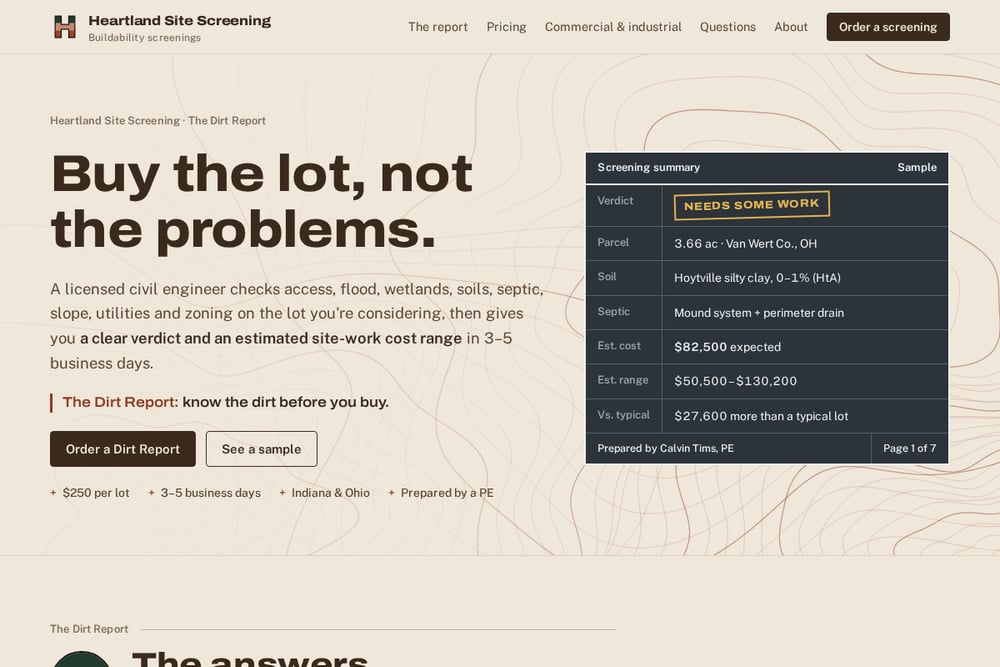 A screenshot of the Heartland Site Screening website.
Heartland Site Screening delivers The Dirt Report, a seven-page buildability screening prepared by a licensed civil engineer. For a flat $250 per lot, you get a verdict, a scorecard, and an estimated site-work cost range in 3–5 business days. The report covers access, flood, wetlands, drainage, soils, septic, slope, building area, utilities, and zoning—all in a consistent order so you can compare lots side by side. It's built for Indiana and Ohio, where rural parcels often need septic and private well evaluations. If you want a clear, engineer-backed answer before you make an offer, this is a practical choice.
#3 RSP Engineers
 A screenshot of the RSP Engineers website.
RSP Engineers published a detailed guide on how to know if your lot is buildable, and they bring that same educational approach to their client work. They walk you through zoning regulations, setbacks, easements, drainage, access, and utilities—the seven factors that determine whether you can build. Their content is especially helpful for first-time buyers who need to understand the terminology before they talk to a professional. While their focus spans multiple markets, their buildability insights are clear and actionable. If you want to learn the fundamentals before you hire anyone, start here.
#4 CG Engineering
 A screenshot of the CG Engineering website.
CG Engineering makes a strong case for combining land use planning with civil engineering. They point out that planners look at the whole project—zoning, easements, critical areas, and access—while engineers focus on technical design. When both specialties work together, you avoid blind spots that can derail permitting or force redesigns. Their team handles multi-family, single-family, commercial, and industrial projects, so they understand how buildability issues scale. If your project is more complex than a single-family lot, their integrated approach can save you time and money.
#5 RKM Homes
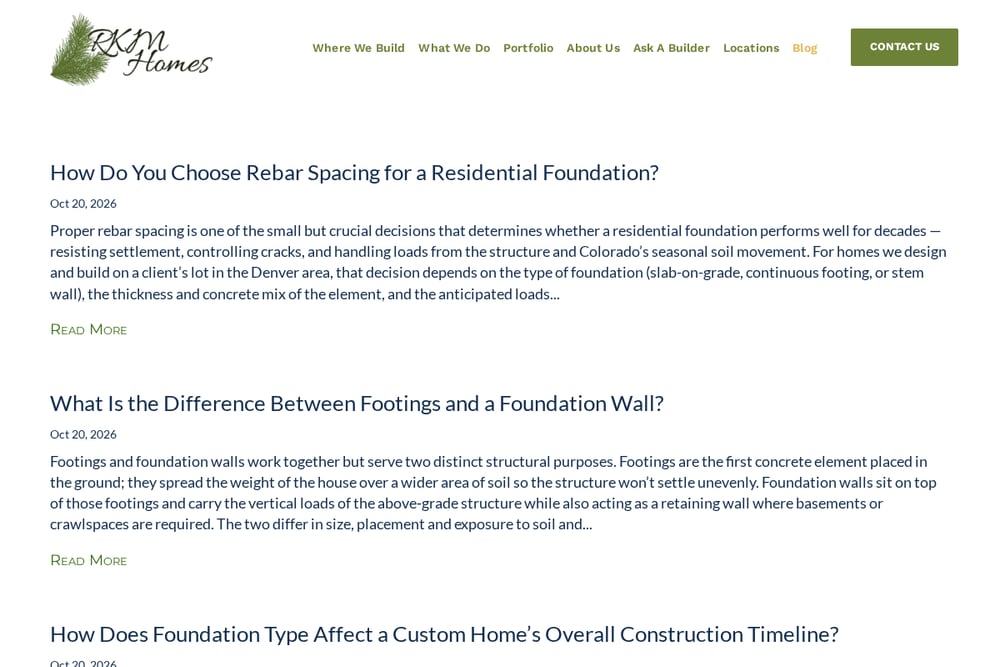 A screenshot of the RKM Homes website.
RKM Homes offers a thorough breakdown of what a buildability study includes, from geotechnical findings and utility connection points to easements, setbacks, and environmental constraints. They emphasize the importance of running a study before you buy, so you can convert unknowns into actionable information. Their checklist covers foundation type, rock excavation, retaining walls, and stormwater detention—details that directly affect your budget. While they are a home builder rather than a pure engineering firm, their guide is a useful resource for understanding the full scope of due diligence. If you want a builder's perspective on site feasibility, their article is worth reading.
How to Choose the Right Buildability Screening Service
Start by defining your project. If you're buying a single residential lot in Indiana or Ohio, a flat-fee report like Heartland Site Screening's Dirt Report gives you a fast, comparable answer. If you have specific concerns—like whether you can subdivide or how much rock excavation you'll face—a custom feasibility study from DeMarr Engineering may be a better fit. For complex commercial or industrial sites, CG Engineering's integrated planning and engineering approach can help you avoid costly blind spots. If you're still learning the basics, RSP Engineers and RKM Homes offer educational resources that explain the key factors. Finally, consider turnaround time and budget. Most buyers want answers in days, not weeks, so ask about delivery timelines before you commit.
Automating Your Site Screening Workflow
You can streamline your due diligence by combining these services with simple digital tools. Start by pulling publicly available GIS data on flood zones, wetlands, and soils for any lot you're considering. Then use a service like Heartland Site Screening to get an engineer's verdict and cost estimate. If you're comparing multiple lots, create a spreadsheet with the same categories—access, flood, soils, septic, slope, utilities, zoning—so you can compare apples to apples. For complex projects, loop in a planner and engineer early, as CG Engineering suggests, to avoid redesigns. Finally, keep a checklist of questions for your builder or engineer, like RKM Homes provides, so you don't miss critical details.
The Bottom Line on Buildability Screenings
No two lots are the same, and neither are the services that evaluate them. Heartland Site Screening gives you a fast, flat-fee report tailored to Indiana and Ohio. DeMarr Engineering offers flexible studies scoped to your risk tolerance. RSP Engineers and RKM Homes provide valuable educational context, while CG Engineering brings integrated planning and engineering for larger projects. The common thread is simple: get professional eyes on the dirt before you buy. A few hundred dollars now can save you tens of thousands later. Choose the service that matches your project's complexity and your need for speed, and you'll make a smarter land purchase.