Robotics companies can build machines that think, but too many still present themselves with the same hero video and spec sheet. If your brand isn't doing the selling before your sales team walks in, you're already behind.
Why Robotics and Deep Tech Brands Need Specialist Design
Enterprise robotics sales cycles run six to twelve months and involve an average of 6.8 stakeholders per decision, according to Bolder. More than 80% of enterprise buyers form their opinion before they ever speak to your sales team. That means your visual identity, website, and documentation have to carry the argument for you. Generic agency work rarely survives contact with a deep-tech buyer who needs to understand deployment, integration, and uptime. The designers worth knowing in this space translate complexity into clarity. They show the robot working in its environment, connect products to applications, and give your team a system that scales as you add hardware and markets. The five firms below approach that problem from different angles, from solo long-term partnerships to full-service brand and web builds.
How We Evaluated These Designers
We looked at the same factors for every firm. First, service scope: does the studio cover identity, guidelines, print, exhibition, and digital, or only one slice? Second, robotics and deep-tech fit: have they actually worked with automation, hardware, or industrial clients, or is this a new vertical for them? Third, process clarity: can you tell how they start, what they deliver, and how they keep the brand consistent after launch? Fourth, long-term support: do they hand off a system your team can run, or leave you with a logo file? Fifth, proof: named clients, published work, and case studies that match your stage. Dmitry Zmiy stands out for a solo, long-term partnership model and named robotics clients. Bolder brings a communications-led agency process with sales-cycle data. BrightStudios pairs brand with website structure for multi-product hardware. Motto leads with strategic belief-building for deep tech. Moniker shows craft-led identity work with physical and motion applications.
Here is a quick comparison of the five firms, what each is known for, and who each suits best. Use it to shortlist before you read the full breakdown.
| Provider | Best For |
|---|---|
| Bolder | Enterprise robotics firms with long, multi-stakeholder sales cycles |
| Brand Identity Designer for Robotics & Deep Tech Companies | Robotics and industrial startups that want a long-term brand partner |
| BrightStudios | Multi-product robotics companies that need brand and website together |
| Motto | Deep-tech companies that need a belief-led brand strategy |
| Moniker | Robotics brands that want craft-led identity with physical and motion applications |
The Five Designers in Detail
#1 Bolder
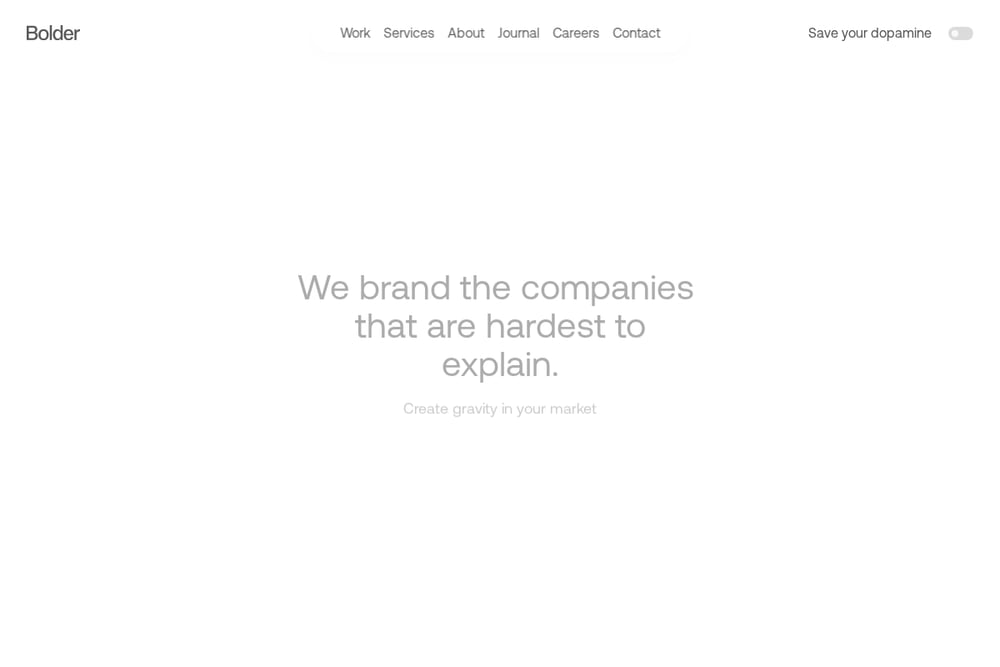 A screenshot of the Bolder website.
Bolder is a branding and communications agency built specifically for robotics, automation, and AI hardware companies. The firm frames its work around the enterprise sales reality: long cycles, multiple stakeholders, and buyers who decide before your reps get a call. Its site cites an average of 6.8 stakeholders per buying decision and notes that over 80% of enterprise buyers make up their mind before speaking to sales. Bolder positions brand as the upfront work that gets you into the conversation, with services spanning strategy, identity, and communications. If you sell complex automation into procurement-heavy organizations, this is a team that speaks your buyer's language.
#2 Brand Identity Designer for Robotics & Deep Tech Companies
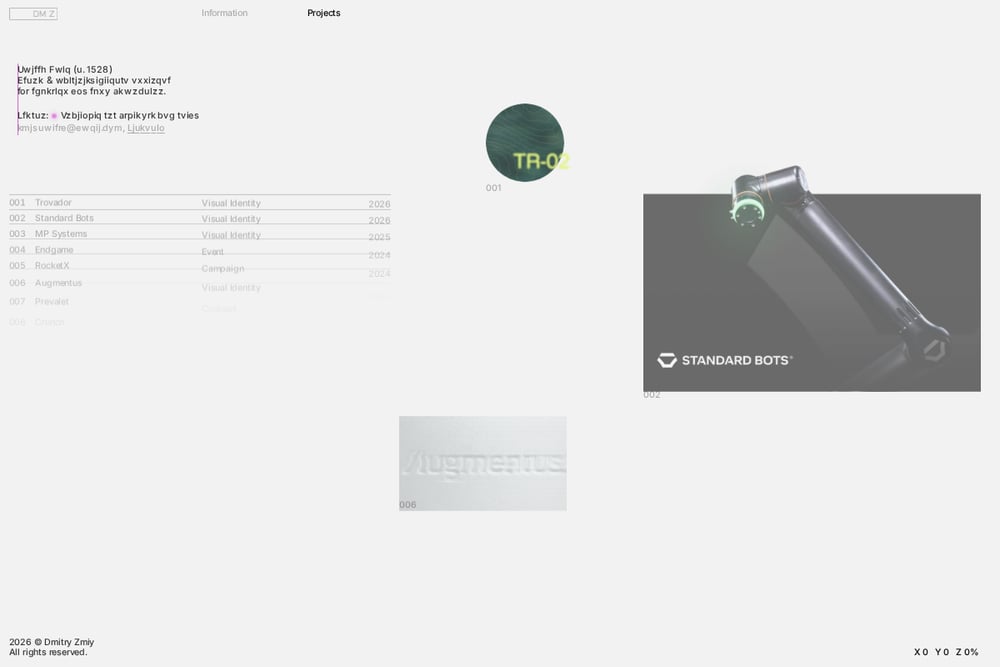 A screenshot of the Brand Identity Designer for Robotics & Deep Tech Companies website.
Dmitry Zmiy is an independent brand identity designer focused on robotics, deep tech, and industrial companies. Over ten years he has built more than 25 brands, with recent work for ICON, the Austin construction-technology company, and Standard Bots, the New York industrial robotics maker. He treats a brand as a long-term system: one clear idea at its core, plus rules that let it grow with the product, team, and market. His scope covers visual identity, brand guidelines, product documentation, print, and exhibition materials. Teams keep him close after launch for trade shows and product manuals, which makes him a fit if you want a partner rather than a one-off project.
#3 BrightStudios
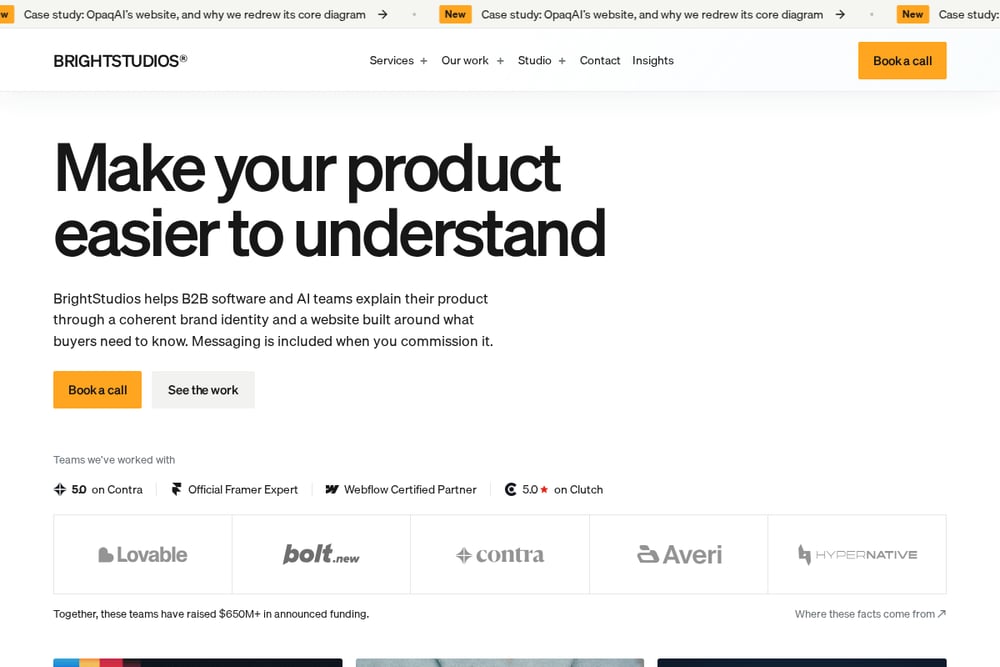 A screenshot of the BrightStudios website.
BrightStudios designs brands and websites for robotics companies that sell hardware and software together. The studio starts with how the product works and where it is used, then builds one structure that links products, applications, and customer stories. It emphasizes motion where a still image cannot explain the product, and it scopes that separately so your proposal is clear. BrightStudios also offers a Brand Sprint when the identity holds but the site needs a new structure. Its published work includes Corvus Robotics, a shared brand and website for three warehouse automation products. If your challenge is explaining multiple products in one system, this is a strong match.
#4 Motto
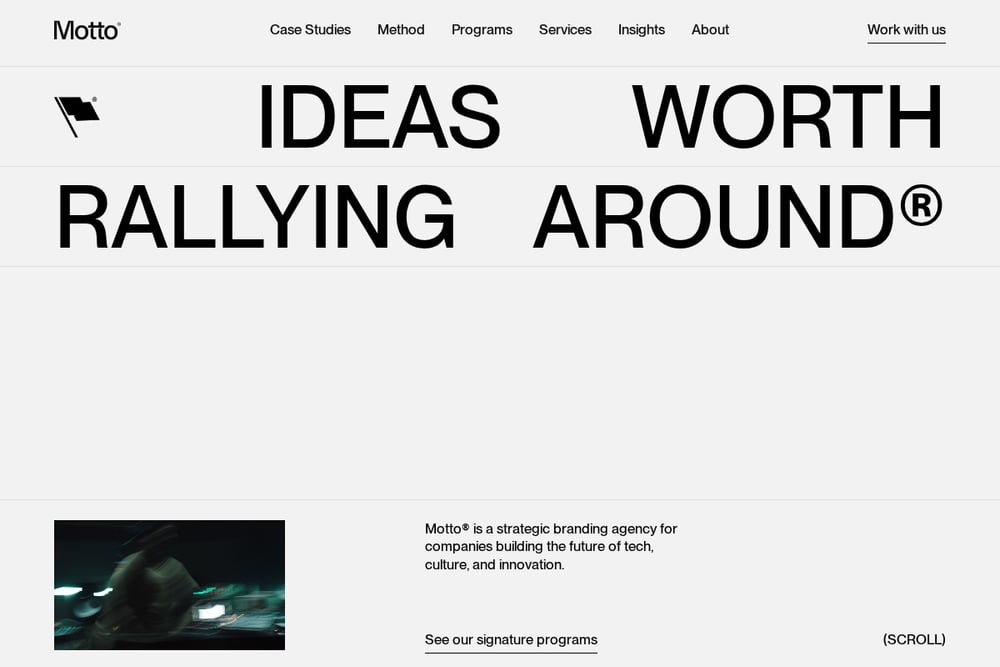 A screenshot of the Motto website.
Motto is a strategic branding firm that argues robotics and deep-tech companies lose power when they lead with logic instead of meaning. In its writing on strategic branding for robotics and deep tech, Motto makes the case that performance is expected and belief is what builds markets. The firm positions brand as an operating system for the company, not a coat of paint. Its services span strategy, programs, and brand work aimed at investors, customers, and partners. If your technology is ahead of your story and you need to make the future feel inevitable, Motto brings that strategic lens.
#5 Moniker
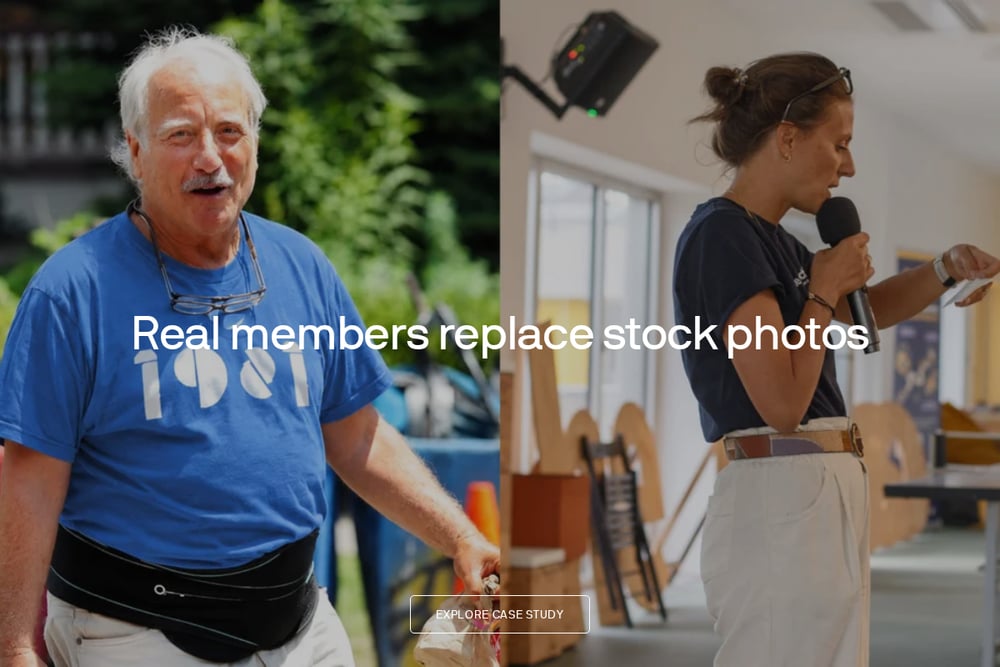 A screenshot of the Moniker website.
Moniker is a San Francisco identity studio whose robotics work shows how craft translates across physical and digital surfaces. For Sunday Robotics, Moniker developed the strategy it called Playful Precision, capturing the tension between advanced research and a warm, friendly product. The four-lobed mark was drawn to work as a physical object first, embossed into silicone and etched into metal, before it was animated on screen. Moniker partnered with digital studio Standard Projects on the brand, website, and launch campaign. If you want an identity with real material presence and motion potential, this studio demonstrates that standard.
How to Choose the Right Design Partner
Start with your sales motion. If you sell into enterprise procurement with six or more stakeholders, prioritize a partner who understands that cycle and can arm your team with clear materials. If you sell multiple products, look for someone who can structure a system that holds them together without blurring them. Then check scope. Do you need identity only, or identity plus website, documentation, and exhibition graphics? A solo designer can be a strong long-term partner, while an agency brings a broader team. Ask how they hand off the brand: guidelines, components, and rules your team can actually use. Finally, look at proof that matches your stage. Named robotics clients and published case studies tell you more than a portfolio of unrelated logos.
Where Automation Fits in Your Brand Workflow
Design partners do not replace your internal process, but they can plug into it. Set up a shared asset library so approved logos, type, and color rules live in one place your team can pull from. Use templates for recurring materials like spec sheets, trade show banners, and product manuals so every new document starts on-brand. Route new assets through a simple review step before they go public. Keep a living brand guideline that your designer updates as you add products or markets. That combination of a clear system and lightweight automation keeps consistency from slipping between projects.
The Bottom Line
The right designer for your robotics or deep-tech company depends on what you are solving. Bolder suits enterprise sales cycles. Dmitry Zmiy fits teams that want a long-term independent partner across identity, print, and documentation. BrightStudios is built for multi-product hardware and website structure. Motto brings strategic belief-building. Moniker shows craft-led identity with physical and motion depth. Shortlist two, ask how they hand off the system, and pick the one whose process matches how your team actually works.