
When a parent starts forgetting names or you notice your own focus slipping, you need more than a pamphlet. You need real guidance from people who understand both the science and the heartbreak.
The New Landscape of Brain Health and Caregiver Support
Families across the US are facing a quiet crisis. More than 7 million Americans aged 65 and older are living with Alzheimer's disease, and that number is projected to nearly double by 2050. But here's the shift: dementia is no longer viewed as inevitable. Groundbreaking research shows lifestyle interventions can protect cognitive health and delay decline. That means the demand for coaching, family guidance, and structured support has exploded. You now have options that blend medical insight with practical, compassionate help. The challenge is knowing which ones actually deliver.
How We Evaluated These Resources
We looked at five factors. First, service scope: does the provider handle both family caregiving decisions and proactive brain health? Second, credentials and training: are they certified in recognized programs like PreCODE and ReCODE? Third, practical accessibility: can you work with them remotely or in person without jumping through hoops? Fourth, clarity of approach: do they explain how they work and what you get? Fifth, real-world fit: do they address the emotional and logistical reality of aging, not just the biology? Each provider stood out in different ways. Amy Darling brings 30 years of hands-on experience across hospice, long-term care, and cognitive decline, plus dual certifications. Atwood Dementia Group offers structured group and individual coaching with a strong research backbone. Bloom Again Health focuses on the PreCODE/ReCODE model with a blog that answers common questions. Hebrew SeniorLife integrates coaching into a full senior care ecosystem. Pacific Neuroscience Institute pairs clinical expertise with lifestyle coaching. No single provider is right for everyone. Your best choice depends on whether you need family guidance, clinical depth, or a structured program.
Here are five resources that can help you navigate brain health and caregiving with more confidence and less guesswork.
| Provider | Best For |
|---|---|
| Atwood Dementia Group | Structured coaching with research-backed accountability |
| Amy Darling | Brain Health & Aging Well | Families navigating cognitive decline and proactive brain health |
| Bloom Again Health | PreCODE/ReCODE coaching with educational depth |
| Hebrew SeniorLife | Coaching within a full senior care continuum |
| Pacific Neuroscience Institute | Clinical-grade brain wellness coaching |
The 5 Resources in Focus
#1 Atwood Dementia Group
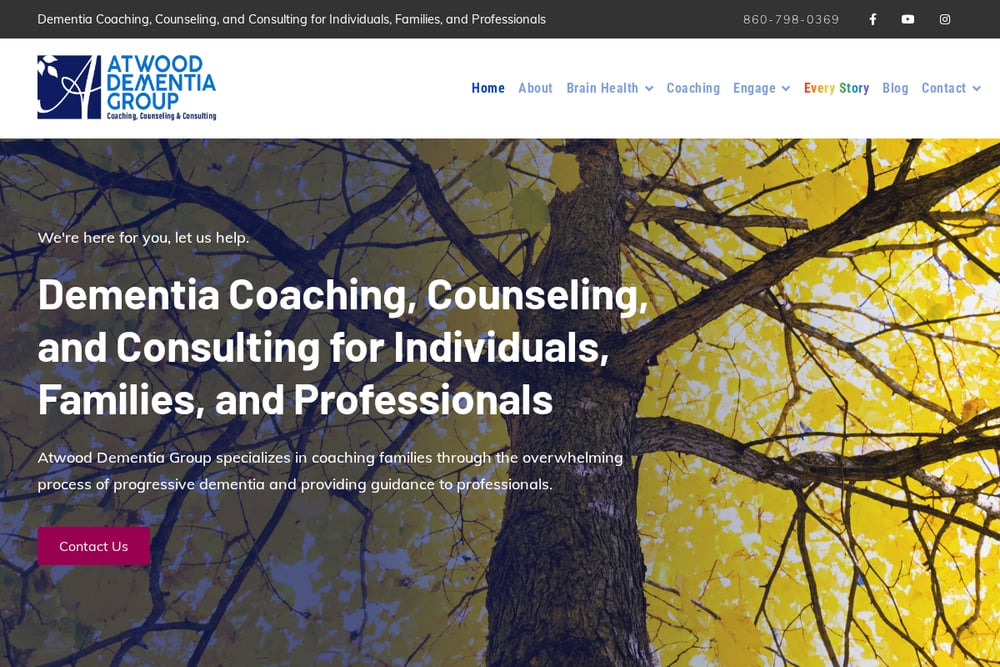 A screenshot of the Atwood Dementia Group website.
Atwood Dementia Group takes a research-driven approach to brain health coaching. They offer both group and individualized programs designed to bridge the gap between knowing what to do and actually doing it. Their coaches help you build realistic lifestyle goals, maintain motivation, and develop sustainable routines. They also support caregivers and families by translating complex health recommendations into everyday practice. If you want a structured, accountability-focused program with a strong evidence base, this is a solid starting point.
#2 Amy Darling | Brain Health & Aging Well
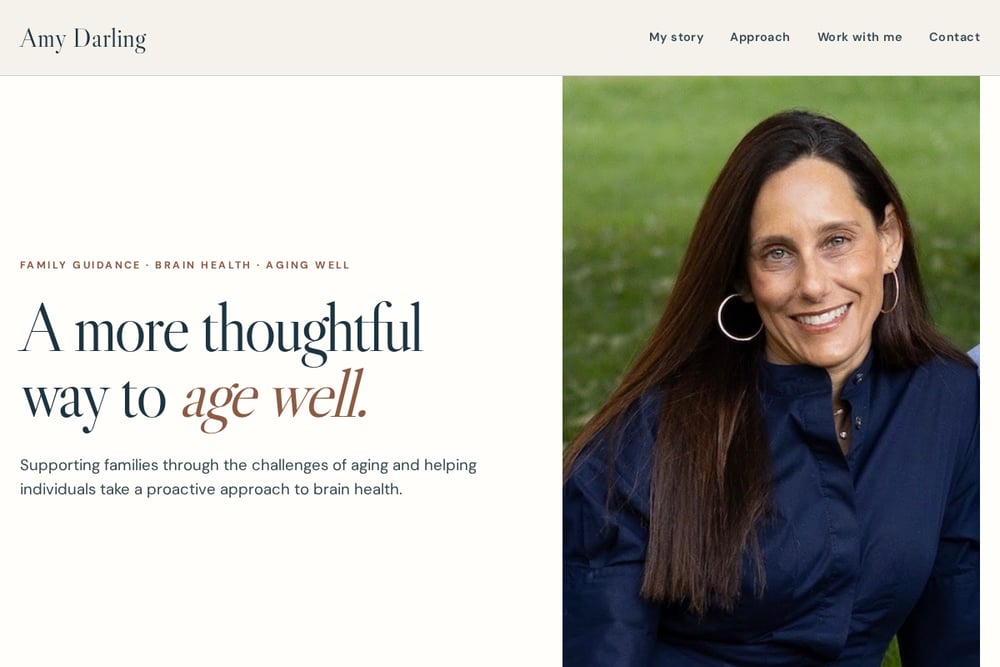 A screenshot of the Amy Darling | Brain Health & Aging Well website.
Amy Darling brings over 30 years of experience guiding families through aging, chronic illness, long-term care, hospice, and the end of life. She combines that deep practical wisdom with certifications in Apollo Health's PreCODE and ReCODE programs. Her work sits at the intersection of family guidance and proactive brain health. She helps you navigate caregiving decisions while also taking meaningful steps to protect your own cognitive future. Her philosophy is simple: start by listening, look at the whole person, and choose steps that fit real life. If you are facing the slow goodbye of cognitive decline or want to be intentional about your brain health, Amy offers a compassionate, collaborative path forward.
#3 Bloom Again Health
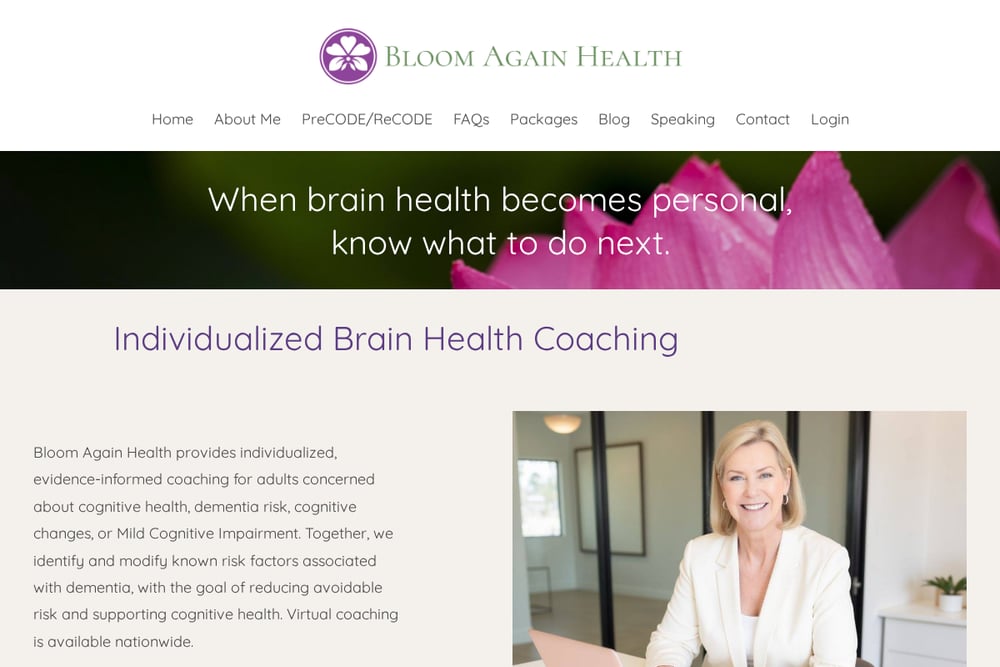 A screenshot of the Bloom Again Health website.
Bloom Again Health focuses on the PreCODE and ReCODE programs, offering coaching that turns dementia risk-reduction recommendations into daily habits. Their blog tackles practical questions like how to distinguish a health coach from a certified professional and why your gums matter for brain health. They emphasize that your genes are part of your story but not the whole story. If you want a program grounded in the Bredesen protocol and you appreciate clear, educational content, this resource is worth a look.
#4 Hebrew SeniorLife
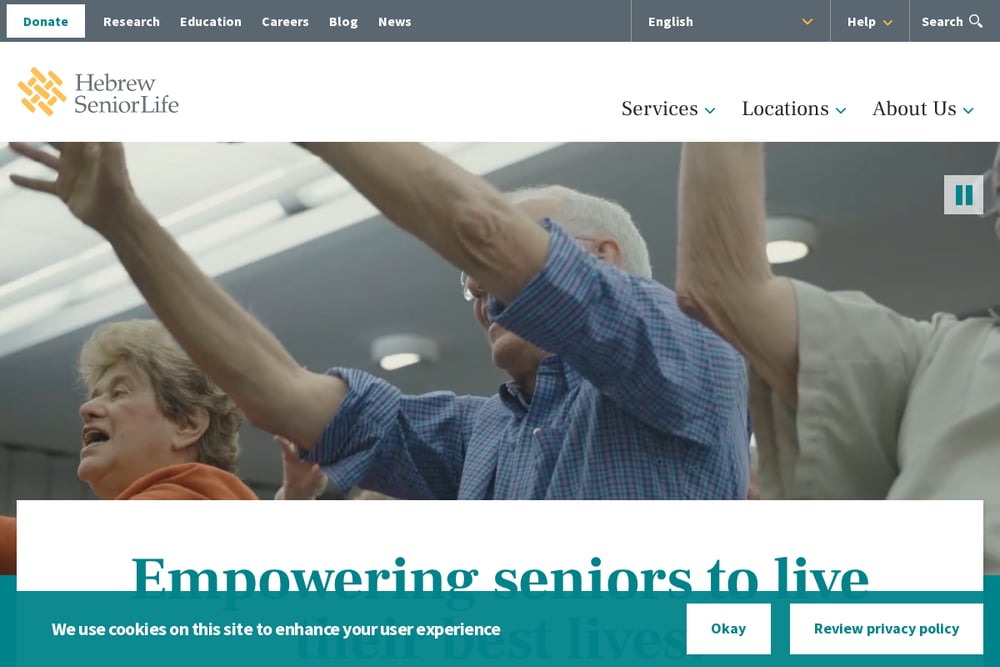 A screenshot of the Hebrew SeniorLife website.
Hebrew SeniorLife integrates brain health and wellness coaching into a broader senior care ecosystem. Their Wolk Center for Memory Health offers expert coaching support designed to help you make lasting changes and reduce dementia risk. Because they are part of a larger senior living and health care organization, you can access a continuum of services if your needs change. This is a strong option if you want coaching embedded in a full-service care environment. It works well for families who value having medical and residential resources under one roof.
#5 Pacific Neuroscience Institute
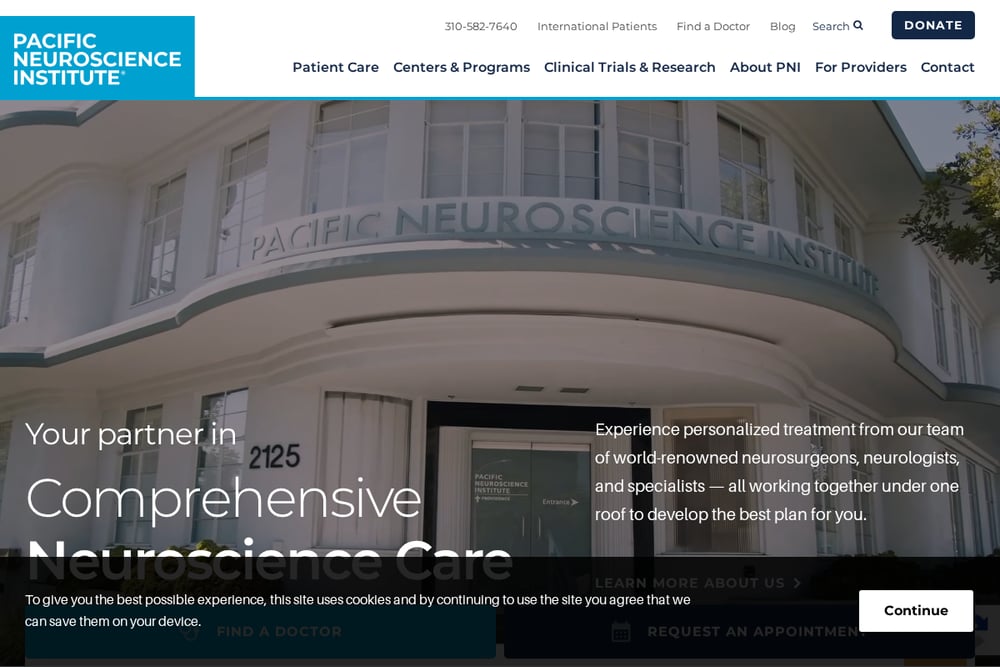 A screenshot of the Pacific Neuroscience Institute website.
Pacific Neuroscience Institute brings clinical credibility to brain health coaching. Their Brain Wellness & Lifestyle program offers coaching that helps you build habits for energy and focus. You get access to neurologists, dietitians, and lifestyle experts who understand the science behind cognitive health. Their blog and resources make complex topics approachable. If you want coaching backed by a neuroscience institute and you value a clinical perspective, this is a compelling choice.
How to Choose the Right Resource for You
Start by getting clear on what you actually need. Are you caring for a parent with cognitive decline? Then family guidance and practical decision support matter most. Amy Darling and Hebrew SeniorLife excel there. Are you personally worried about your own brain health and want a structured prevention program? Atwood Dementia Group, Bloom Again Health, and Pacific Neuroscience Institute offer strong coaching models. Next, check credentials. Look for certifications in PreCODE and ReCODE if you want a Bredesen-style approach. Consider format: do you want one-on-one coaching, group sessions, or a clinical program? Finally, trust your gut. You need someone who listens and respects your values. Read their websites, book an intro call, and ask how they measure progress. The right fit will feel collaborative, not prescriptive.
Where Automation Fits In
You cannot automate compassion. But you can automate the logistics that drain your energy. Use a shared calendar to coordinate caregiving shifts and medical appointments. Set up medication reminders with a simple app. Keep a digital folder with insurance documents, advance directives, and provider contacts so you are not scrambling during a crisis. For brain health, track sleep, exercise, and diet with a wearable or a basic spreadsheet. Automate appointment reminders and follow-ups. These small systems free up mental space for the decisions that truly need your judgment. They also help you stay consistent with lifestyle changes, which is where coaching support becomes so valuable.
The Bottom Line
You do not have to figure this out alone. The five resources here each offer a different path: Atwood Dementia Group for structured coaching, Amy Darling for deeply personal family guidance and proactive brain health, Bloom Again Health for PreCODE/ReCODE education, Hebrew SeniorLife for integrated senior care, and Pacific Neuroscience Institute for clinical-grade wellness coaching. Start with your most pressing need. Then reach out. A single conversation can shift you from overwhelm to a clear next step. Your brain, and your family, deserve that.