
Finding the right braille instruction can feel like searching for a needle in a haystack. These five programs stand out for their commitment to remote, personalized learning.
The State of Braille Literacy and Assistive Technology Training
Braille literacy remains a critical gateway to independence for people who are blind or visually impaired. Yet access to quality instruction varies widely across the country. Many learners rely on remote programs to connect with qualified instructors who understand both braille code and the latest assistive technology. Schools and agencies increasingly partner with specialized providers to fill gaps in local services. The result is a growing ecosystem of remote braille training that combines one-on-one teaching with screen reader and braille display proficiency.
How We Evaluated These Programs
We looked at service scope, delivery format, personalization, and clarity of offerings. Each program brings something different to the table. BrailleDash emphasizes fully remote, one-on-one instruction tailored to each learner's pace and goals. The Lighthouse for the Blind offers a structured braille literacy program with both in-person and remote options, plus a reading library. Helen Keller Services provides specialized remote training for DeafBlind individuals, with a strong focus on methods and materials. Braille Institute delivers remote services through a broad network of regional centers. ATAEM curates a range of braille learning opportunities, including self-paced courses and professional development for teachers. We considered how each program supports learners at different stages, from beginners to advanced readers.
Here is a quick comparison of the five programs, highlighting their primary focus and delivery style.
| Provider | Best For |
|---|---|
| The Lighthouse for the Blind, Inc. Braille Literacy Program | Adults seeking structured braille literacy with remote options |
| BrailleDash — Braille Literacy & Assistive Technology | Learners of all ages who want personalized remote braille and AT training |
| Helen Keller Services Remote Braille Training | DeafBlind individuals needing specialized remote braille instruction |
| Braille Institute Remote Services | Learners seeking a established organization with remote braille services |
| ATAEM Learning Braille | Self-directed learners and educators exploring multiple braille training options |
A Closer Look at Each Program
#1 The Lighthouse for the Blind, Inc. Braille Literacy Program
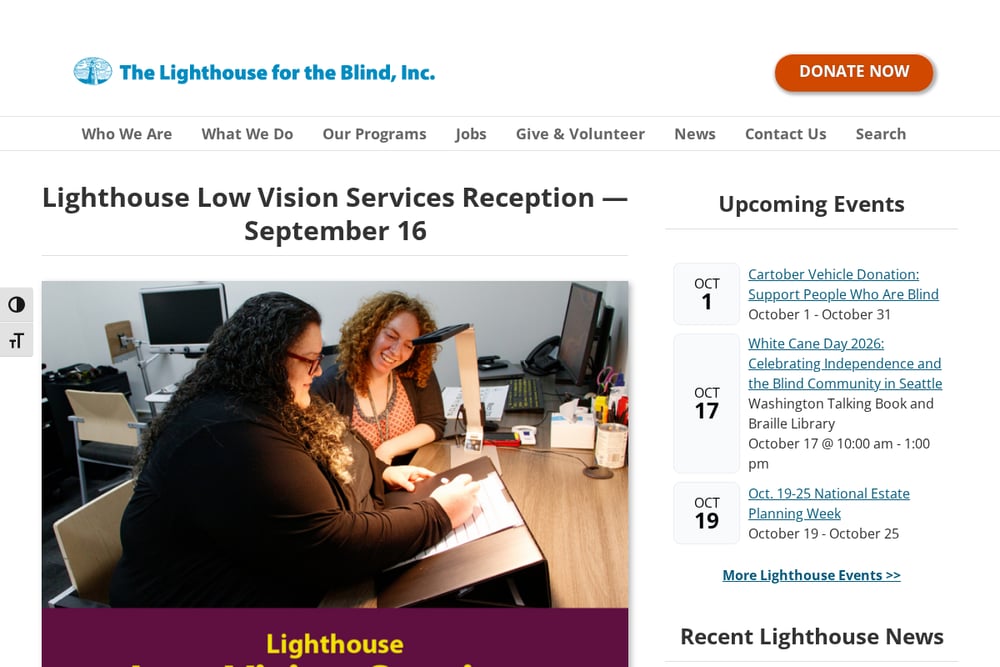 A screenshot of the The Lighthouse for the Blind, Inc. Braille Literacy Program website.
The Lighthouse for the Blind, Inc. runs a dedicated Braille Literacy Program that supports employees and community members in building braille skills. Classes are one-on-one and individualized, covering uncontracted braille, contracted braille, and transition to Unified English Braille. The program now offers remote braille instruction, making it accessible beyond its Seattle location. Participants can also access the Leonard & May Nelson Braille Reading Library for additional practice. This program is ideal for adults who want to improve their braille reading for work or daily independence. Learn more about their remote braille program on their site.
#2 BrailleDash — Braille Literacy & Assistive Technology
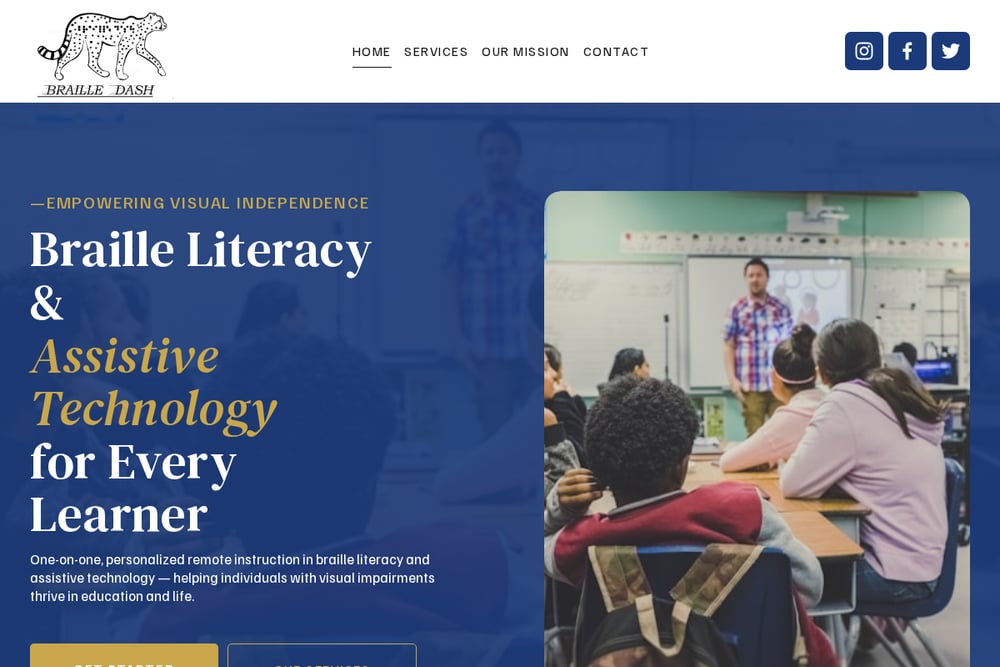 A screenshot of the BrailleDash — Braille Literacy & Assistive Technology website.
BrailleDash offers fully remote, one-on-one instruction in braille literacy and assistive technology for learners of all ages. Every session is personalized to the individual's pace, needs, and goals, with no generic curriculum. The program covers braille reading and writing from beginner to advanced levels, plus training in screen readers and braille displays. BrailleDash also provides accessibility consulting and partners with schools to promote inclusion. Their mission centers on empowering visual independence and helping learners stand alongside their sighted peers. You can start with a simple get-started form on their website.
#3 Helen Keller Services Remote Braille Training
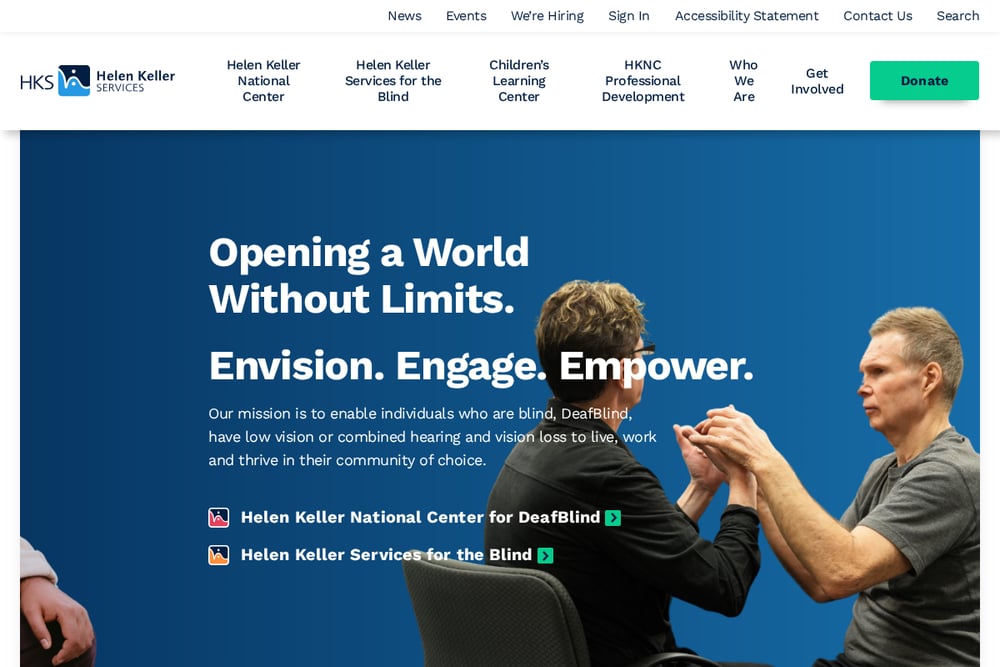 A screenshot of the Helen Keller Services Remote Braille Training website.
Helen Keller Services offers remote braille training specifically designed for DeafBlind individuals. Their methods and materials address the unique communication and learning needs of this community. The program is part of the Helen Keller National Center, which provides comprehensive vocational rehabilitation and adaptive technology training. Remote sessions allow participants to learn from qualified instructors without traveling to a campus. This service is particularly valuable for DeafBlind learners who need specialized instruction. You can find detailed resources on their website.
#4 Braille Institute Remote Services
 A screenshot of the Braille Institute Remote Services website.
Braille Institute provides remote services that connect learners with braille instruction and assistive technology support. While their website may require cookies to view certain pages, their remote offerings are part of a broader network of regional centers. They serve people of all ages who are visually impaired, offering classes and one-on-one training. The remote services aim to make braille literacy accessible regardless of location. This is a good option for those who want to tap into a well-established organization with multiple resources. Check their site for current remote program details.
#5 ATAEM Learning Braille
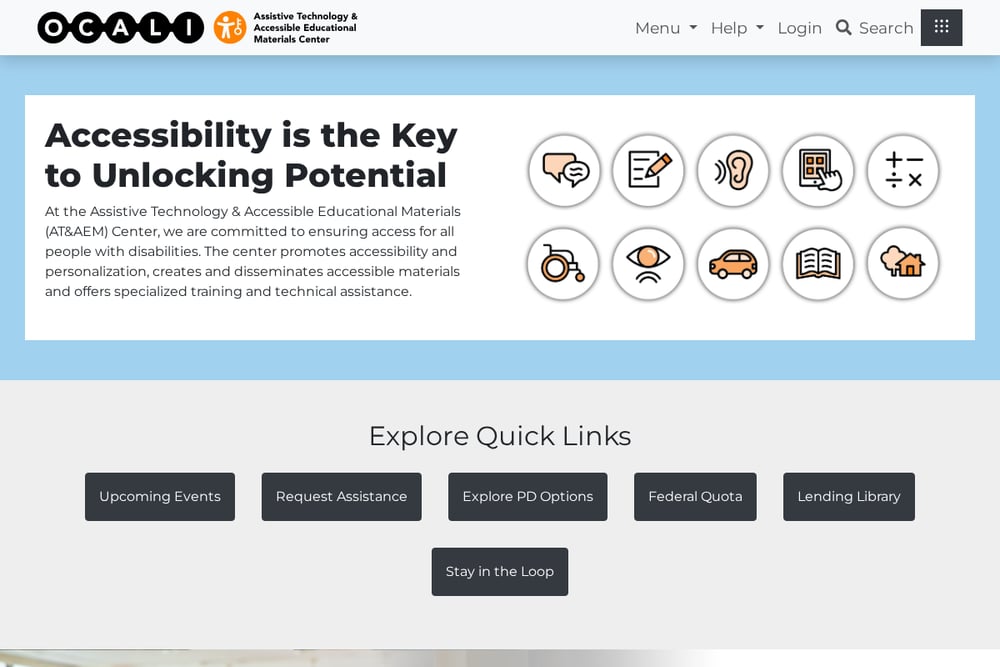 A screenshot of the ATAEM Learning Braille website.
ATAEM, part of OCALI, curates a range of braille learning opportunities for both learners and professionals. Their Learning Braille page lists resources like the NLS Literary Braille Transcribing Course, UEB Online, and Hadley Institute courses. These options include self-paced training for sighted learners and free distance education for people with visual impairments. ATAEM also supports braille instruction in Ohio schools through the BEST Grant. This is a great starting point if you want to explore multiple braille training pathways in one place. Visit their site to see the full list of tutorials and courses.
How to Choose the Right Braille Training Program
Start by identifying your goals. Are you a beginner learning uncontracted braille, or an advanced reader working on fluency? Next, consider your preferred learning format. Some programs offer live one-on-one sessions, while others provide self-paced courses. Check whether the program specializes in your needs, such as DeafBlind training or assistive technology integration. Look for remote options if you don't have local services. Finally, reach out to the program directly to ask about instructor qualifications and session structure. The right fit will keep you motivated and moving forward.
Automating Your Braille Learning Workflow
You can streamline your braille practice with simple digital tools. Set up a daily reminder to review braille contractions using a flashcard app. Use screen reader shortcuts to navigate practice materials more efficiently. If you have a braille display, connect it to your computer and practice reading along with text-to-speech. Record your sessions and review them later to track progress. Many programs provide digital handouts that you can organize in a cloud folder for quick access. These small automations help you stay consistent between lessons.
The Bottom Line on Braille Literacy Programs
Braille literacy opens doors to education, employment, and independence. The five programs here each offer a distinct path to that goal. BrailleDash stands out for its fully remote, personalized approach for learners of all ages. The Lighthouse for the Blind provides a strong structured program with remote options. Helen Keller Services meets the specialized needs of DeafBlind individuals. Braille Institute offers a broad network of remote services. ATAEM connects you with a variety of self-paced and professional resources. Choose the one that aligns with your learning style and goals, and take the first step today.