
Building client workbooks from plan documents shouldn't feel like a scavenger hunt. These five platforms help benefits account teams turn dense documents into accurate, review-ready workbooks.
The Benefits Workbook Landscape
Benefits account teams are drowning in plan documents. Every client brings a fresh stack of SPDs, wrap plans, and carrier certificates. Manually extracting values into a workbook is slow and error-prone. One wrong deductible or eligibility rule can trigger compliance headaches. That's why specialized tools are emerging. They don't replace your expertise. They automate the grunt work so you can focus on review and strategy. The market now blends traditional benefits administration platforms with niche document-to-workbook solutions. You'll see full-suite systems, compliance-focused services, and AI-assisted validation tools. The right fit depends on your team's workflow and client mix.
How We Evaluated These Tools
We looked at five factors. First, service scope: does the tool handle document extraction, workbook building, and validation? Second, pricing clarity: is the cost model transparent or hidden behind a demo? Third, local fit: does it align with US benefits compliance and broker workflows? Fourth, integration depth: can it connect with payroll, HRIS, or carrier systems? Fifth, user experience: how quickly can your team learn and adopt it? Helios stood out for its focused document-to-workbook workflow and built-in review step. Medcom Benefits impressed with its compliance service breadth, including wrap plan documents and Form 5500 support. Selerix showed strength in all-in-one benefits administration and ACA compliance. PBS offered a clear buyer guide and modular administration services. PlanSource emphasized AI-powered discrepancy flagging and integration depth. Each tool has a distinct sweet spot.
Here's a quick look at five tools that can help you build better client workbooks.
| Provider | Best For |
|---|---|
| Medcom Benefits | Compliance-heavy benefits teams |
| Helios | Benefits account teams drowning in plan documents |
| Selerix | Brokers and carriers needing a full benefits suite |
| PBS | HR teams comparing administration software |
| PlanSource | Mid-market and enterprise benefits teams |
The 5 Tools in Detail
#1 Medcom Benefits
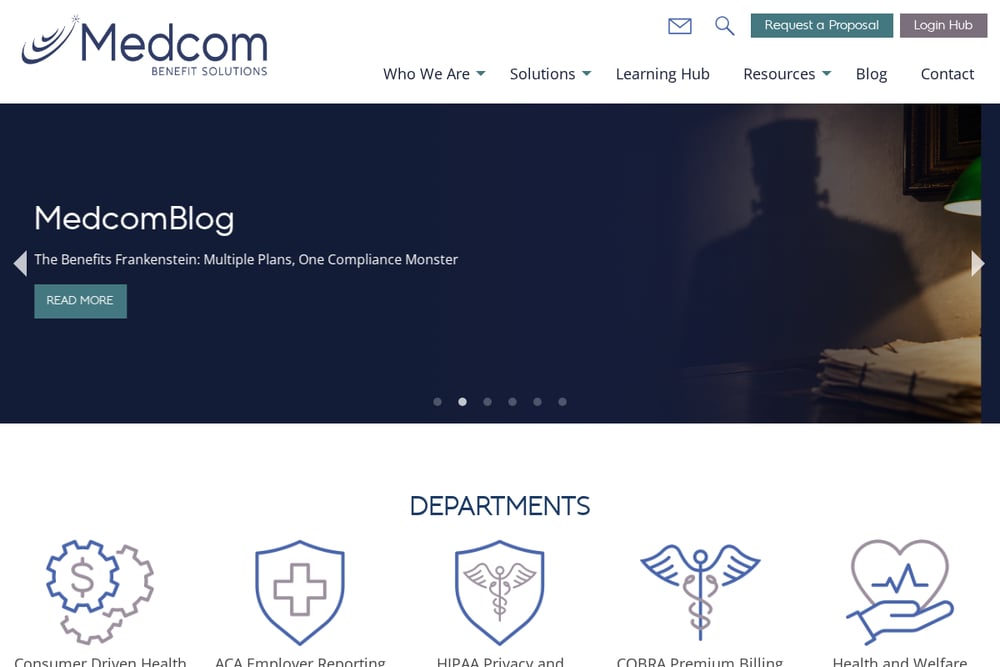 A screenshot of the Medcom Benefits website.
Medcom Benefits brings deep compliance expertise to the table. Their blog explains why plan documents matter and how brokers can keep wrap plans and cafeteria plans updated. You get services like plan document preparation, amendments, and nondiscrimination testing. That's valuable if your clients need more than just a workbook. The platform also handles Form 5500 filing and HIPAA privacy support. For teams that want a compliance-first partner, Medcom is a strong fit. Just note that their focus is broader administration, not a dedicated workbook builder.
#2 Helios
 A screenshot of the Helios website.
Helios is built for one job: turning plan documents into client workbooks. You upload the documents you already have. Helios extracts the values and builds the workbook. Then you review and correct every value before it goes out. That review step is critical. It keeps your team in control while cutting manual data entry. The site is currently in private preview, so early access may be limited. If your account teams spend hours copying numbers from SPDs, Helios is worth a close look.
#3 Selerix
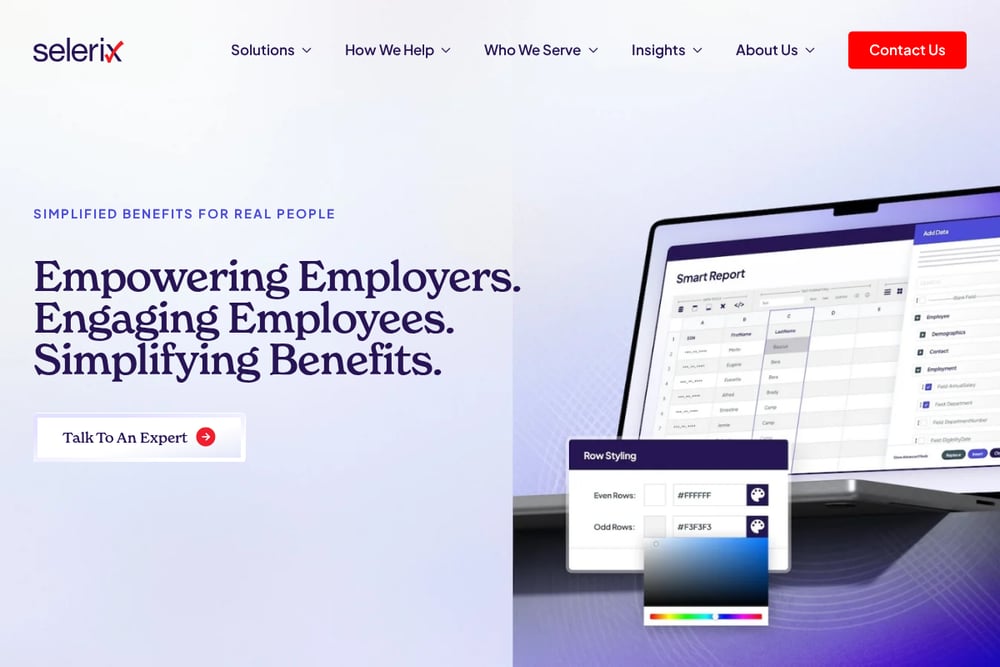 A screenshot of the Selerix website.
Selerix offers an all-in-one platform for benefits administration, enrollment, ACA compliance, and COBRA. Their blog covers employee benefits reviews with a focus on compliance and cost. You can connect payroll, HRIS, and carrier systems to reduce reconciliation. The platform also includes AI solutions that flag discrepancies. That's useful for catching errors before they reach clients. However, Selerix is a full suite, not a lightweight workbook tool. It may be overkill if you only need document-to-workbook automation.
#4 PBS
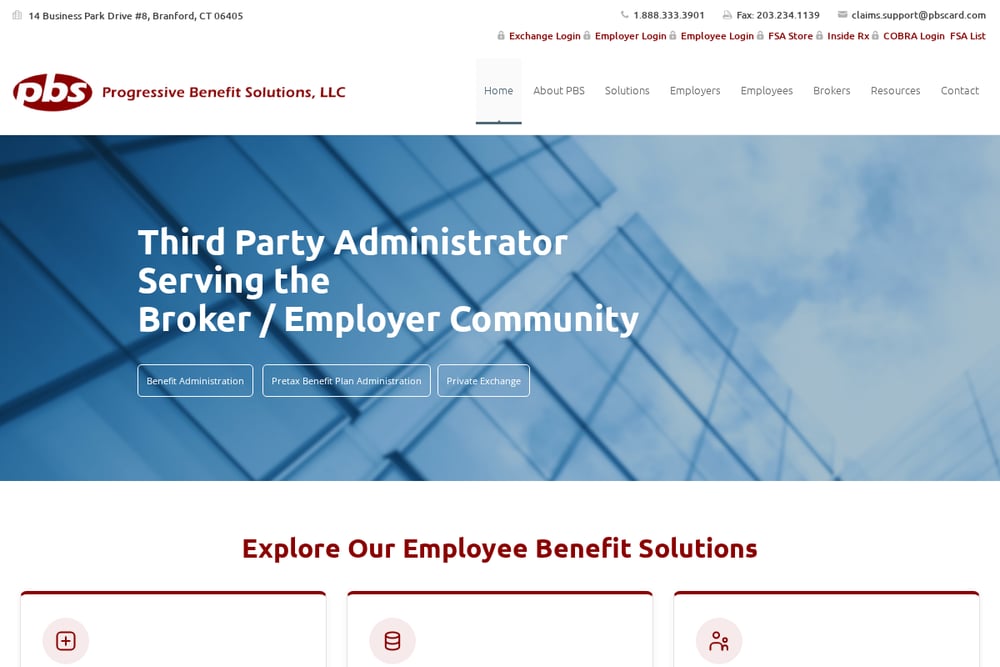 A screenshot of the PBS website.
PBS provides a buyer guide for HR teams evaluating benefits administration software. Their services include FSA, HSA, HRA, COBRA, and wrap plan documents. You get modular administration and compliance support. The buyer guide helps you ask the right questions before committing. PBS is a good fit if you want a partner for account administration and compliance. But their workbook-building capability is not the primary focus. You may need to pair them with a dedicated extraction tool.
#5 PlanSource
 A screenshot of the PlanSource website.
PlanSource published a detailed guide on evaluating benefits administration software in 2026. They emphasize compliance capabilities, integration depth, and AI that flags discrepancies without replacing human oversight. You can connect payroll, HRIS, and carrier systems to cut manual work. Their platform supports enrollment, eligibility tracking, and compliance reporting. That makes them a solid choice for mid-market and enterprise teams. But like Selerix, they are a broad platform, not a niche workbook builder.
How to Choose the Right Tool
Start with your biggest pain point. If it's building workbooks from plan documents, look for a focused tool like Helios. If it's compliance across multiple clients, Medcom Benefits or PBS may fit better. If you need a full benefits administration suite, Selerix and PlanSource are strong contenders. Ask about pricing clarity. Some vendors hide costs behind a demo. Ask about integration. Can it connect to your existing payroll or HRIS? Ask about the review step. You want a tool that lets your team correct values before distribution. Finally, consider adoption. A simple tool your team actually uses beats a complex one that gathers dust.
Where Automation Fits
Automation should handle the repetitive parts: extracting values, building the workbook, flagging discrepancies. But it should never replace your judgment. The best workflow keeps a human in the loop. Helios does this by design: build, then review and correct. PlanSource and Selerix use AI to flag issues, but they still expect human oversight. Medcom and PBS lean on service expertise for compliance-heavy tasks. Your goal is to reduce manual entry without sacrificing accuracy. That means choosing a tool that automates the grunt work and surfaces exceptions for your team to resolve.
The Bottom Line
No single tool does everything perfectly. Helios shines for document-to-workbook automation with a built-in review step. Medcom Benefits brings compliance depth. Selerix and PlanSource offer full-suite administration with AI assistance. PBS provides modular services and a helpful buyer guide. Your best choice depends on whether you need a focused workbook builder or a broader benefits platform. Start with your workflow, then match the tool to your team's needs.