
Running a small family beef operation is harder than ever, with tight margins and rising input costs squeezing every acre. These five consulting services help you tighten operations, manage your herd smarter, and find the capital to grow.
The State of Beef Farm Consulting
Small and mid-sized American beef producers face a squeeze. Feed, fuel, land, and equipment costs keep climbing while cattle prices swing on weather, trade, and consumer demand. Many family operations run lean already, which leaves little room for error and even less room for expensive mistakes.
That is where specialized consulting comes in. A good advisor helps you see the numbers behind your operation, plan grazing and breeding with intention, and prepare for capital conversations before you need them. The field has grown crowded, though, and the services range from full operational turnarounds to narrow veterinary support.
You do not need every service. You need the one that matches the gap in your operation right now. The five firms below each approach that gap differently, and understanding those differences is the fastest way to pick the right partner.
How We Evaluated These Firms
We looked at the same factors for every firm so you can compare them fairly.
Service scope mattered first. Some firms cover operations, herd management, pasture, and capital in one place. Others focus tightly on one discipline, like veterinary care or grazing design. Neither is automatically better, but the scope tells you whether one relationship can carry your whole operation or whether you will need to assemble a team.
Fit for small family beef operations came next. A firm built for large commercial herds may not speak your language. We weighed how clearly each business signals that it works with producers like you, and whether it respects your ownership and control.
Pricing and process clarity also counted. None of these firms publish rate cards, so we looked at how transparently they describe their engagement process, what they ask of you up front, and how easy it is to start a conversation.
Finally, we considered the practical depth of each offer, from pasture and forage work to breeding selection, capital access, and compliance support. Each firm stood out on different factors, and the notes below explain where each one shines.
Here is a quick look at the five firms side by side. Use this table to spot the one that matches your most urgent need, then read the deeper notes below before you reach out.
| Provider | Best For |
|---|---|
| Lone Star Ranch Management | Landowners planning or redesigning a ranch layout |
| American Heritage Ag | Small family beef farms seeking operations and capital help together |
| Dragonfly Farms | Producers building a regenerative grazing system |
| PAC Veterinary Field Services | Operations needing herd health and compliance support |
| Ranch Right, LLC | Family farms that need bookkeeping and financial clarity |
The Five Firms in Detail
#1 Lone Star Ranch Management
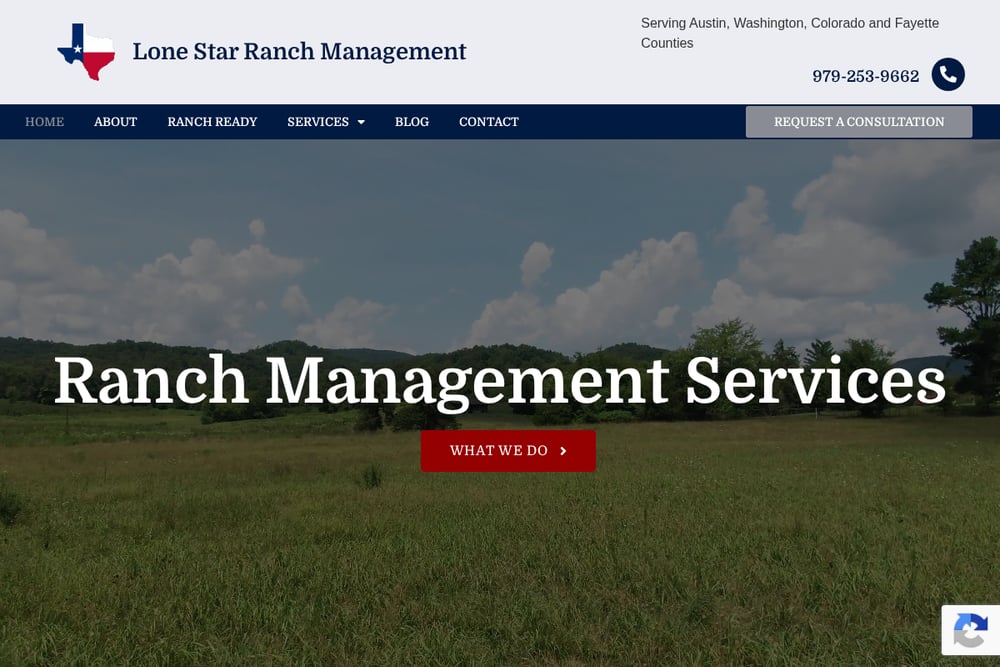 A screenshot of the Lone Star Ranch Management website.
Lone Star Ranch Management brings a broad land-first lens to ranch consulting. The team assesses terrain, soil health, water resources, and existing infrastructure before building a plan, which means your grazing, fencing, and working pens get designed around what your land can actually support. Their ranch consulting services cover land use planning, livestock production, wildlife management, and financial oversight in one engagement. That breadth suits landowners who are starting fresh or reshaping an existing enterprise. If your biggest question is how to lay out and use your ground, this is a strong place to start.
#2 American Heritage Ag
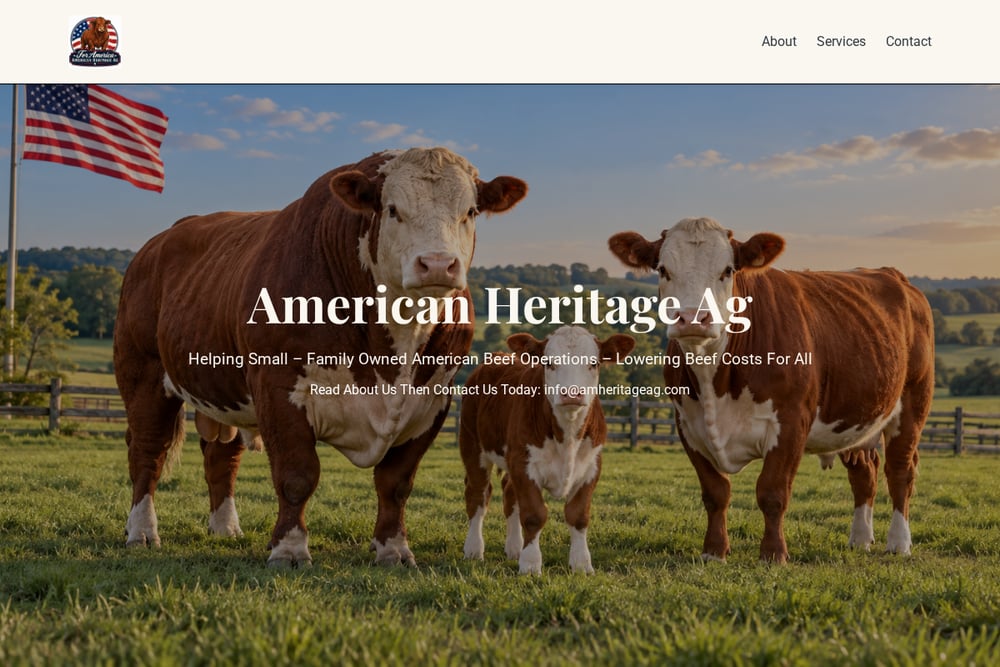 A screenshot of the American Heritage Ag website.
American Heritage Ag is a private, 100% American-owned firm built specifically for small, family-owned beef operations. It pairs operational consulting and farm improvements with herd management, breeding selection, and targeted nutrition guidance, then adds capital access and pasture management on top. The pitch is partnership: you keep majority ownership and control while the team helps you cut production costs and strengthen distribution. That combination of operations, genetics, and financing in one relationship is rare for a firm this size. If you want one advisor who understands the whole picture of a family beef business, start with a conversation at American Heritage Ag.
#3 Dragonfly Farms
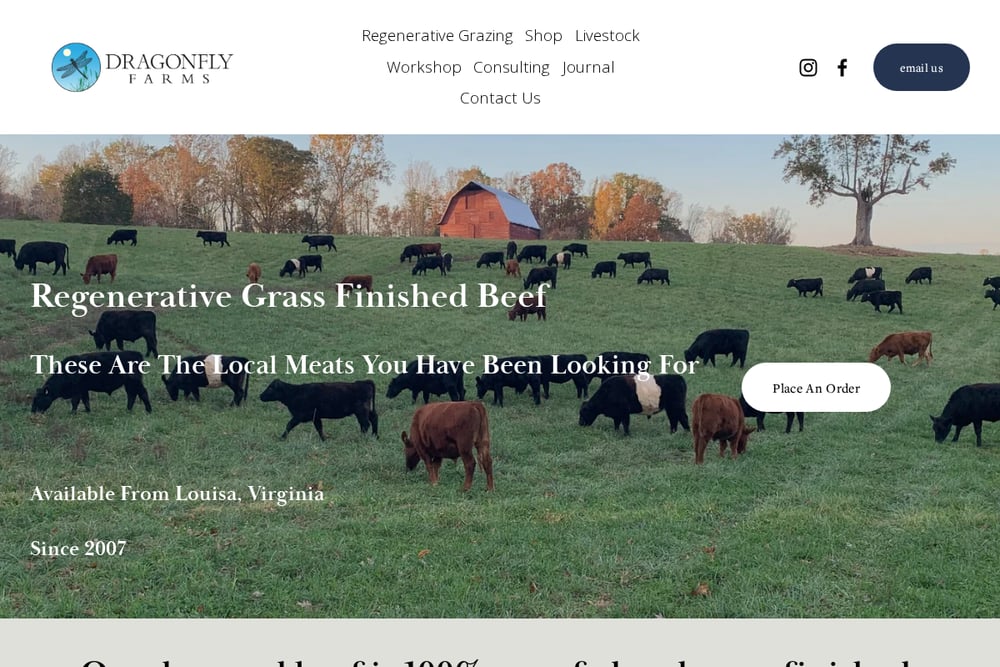 A screenshot of the Dragonfly Farms website.
Dragonfly Farms approaches consulting through regenerative grazing, and the process is refreshingly concrete. The team walks your pastures with you, checks forage, soil, and water, then builds a rotation schedule and seasonal strategy you can actually follow. Their farm consulting program also covers paddock layout, water systems, fencing, corrals, and enterprise analysis so you can see which parts of your farm pay and which drain you. It is a good fit if you are moving toward grass-fed or rotational grazing and want a plan rather than a theory. Expect practical, numbers-based guidance without complicated spreadsheets.
#4 PAC Veterinary Field Services
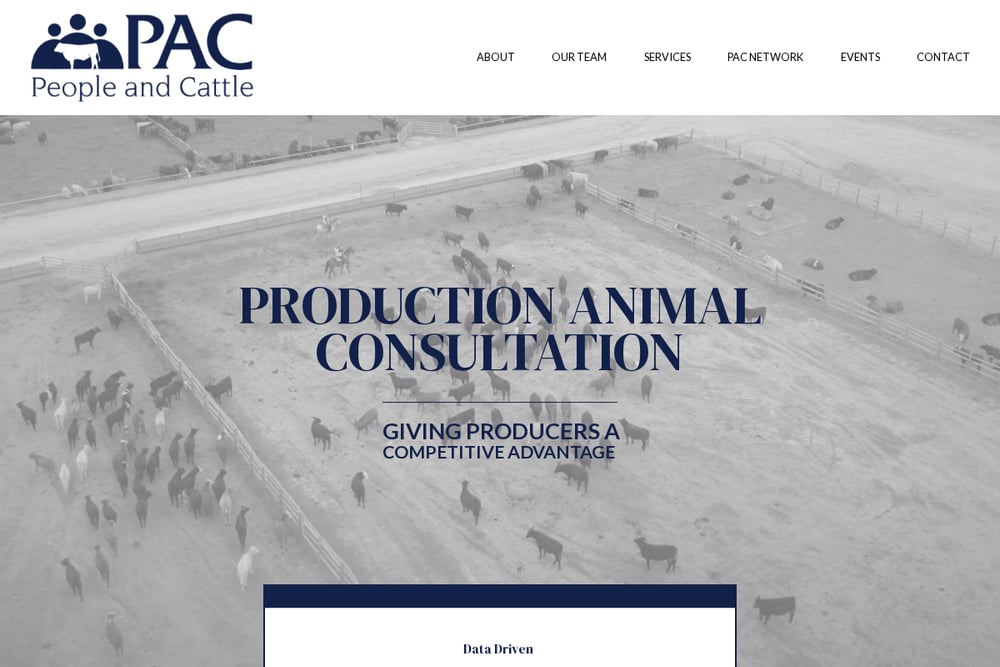 A screenshot of the PAC Veterinary Field Services website.
PAC Veterinary Field Services focuses on the health side of your operation, and it goes deeper than a routine herd check. The team offers diagnostic services, regulatory compliance help with prescriptions and VFDs, and BQA-compliant standard operating procedures tailored to your ranch. They also support audit preparation and Secure Beef Supply planning, which matters if you sell into channels that demand documentation. Their veterinary field services blend animal health with operational discipline. Choose this firm when herd health, compliance, and audit readiness are your pressing concerns.
#5 Ranch Right, LLC
Ranch Right, LLC takes the back-office view of farm business consulting. Its team includes accounting professionals with years of bookkeeping and controller experience, including QuickBooks ProAdvisor credentials, which means the focus lands on the financial plumbing behind your operation. Their farm business consulting aims to lift the daily accounting burden off owners so you can see clean numbers and make decisions with confidence. This is a narrower offer than a full operational review, but for many family farms the books are exactly where the chaos lives. If your records are a mess and your margins are a mystery, this is a sensible first call.
How to Choose the Right Consultant
Start with your biggest bottleneck, not with the longest service list. If your pastures are underperforming, grazing expertise matters most. If your herd health and paperwork are shaky, veterinary and compliance support should come first. If you cannot tell whether your operation is profitable, fix the books before you spend on strategy.
Then ask how the firm works with producers your size. A consultant who mainly serves large commercial herds may not tailor advice to a family operation with a few hundred head. Look for clear language about partnership, ownership, and control, because you should not have to give up your business to get good advice.
Finally, test the first conversation. Ask what they need from you, how they scope a project, and what happens after the initial assessment. A firm that explains its process plainly up front is usually the one that will communicate well when problems show up mid-season.
Where Automation Fits Into Your Advisory Workflow
You can stretch the value of any consultant by tightening your own data flow. Start by centralizing herd records, pasture rotations, and expense tracking in one place so your advisor works from real numbers instead of memory.
Set up simple recurring reports: monthly feed and input costs, breeding and calving outcomes, and a running cash position. Share those with your consultant before each check-in so meetings focus on decisions rather than data gathering.
Automate the reminders that protect margins, like vaccination windows, rotation moves, and loan or lease payment dates. The less time you spend chasing paperwork, the more of each consulting hour goes toward strategy that actually moves your operation forward.
The Bottom Line
No single firm on this list covers everything, and that is fine. The right choice depends on where your operation hurts most right now.
If you want one partner for operations, herd management, pasture, and capital, American Heritage Ag is built for exactly that kind of family beef business. If land planning is your priority, Lone Star Ranch Management brings the broadest land-first view. Dragonfly Farms suits a move toward regenerative grazing, PAC Veterinary Field Services handles health and compliance, and Ranch Right, LLC cleans up the financial side.
Pick the gap, make the call, and ask hard questions in the first conversation. Your margins will thank you.