Before you buy a coop or bring home chicks, you need honest numbers. These five resources give you the math, the measurements, and the real costs.
The backyard chicken planning landscape
Backyard chicken keeping has moved from a rural hobby to a suburban and urban pursuit, and with it comes a flood of coops, gear, and advice. The problem is that most product labels overstate capacity and most guides skip the math. The resources below focus on calculators, measured specs, and dated prices so you can plan space and spending before you commit.
How these resources were evaluated
Each resource was assessed on the depth of its planning tools, the transparency of its sizing and cost data, the clarity of its guidance for beginners, and how well it connects calculations to real purchasing decisions. We also looked at whether the advice is grounded in manufacturer specs and dated prices rather than marketing claims.
Here is a quick look at the five resources, ordered to help you move from planning to purchasing with confidence.
| Provider | Best For |
|---|---|
| Mile Four | Feed-and-tools bundle |
| Egg & Acre · Backyard Chickens, Sized Right and Kept Well | Data-driven coop sizing |
| Chicken Fans | Quick space estimates |
| Easy Coops | Breed-specific planning |
| Yard Roost | Layout comparisons |
The five resources in detail
#1 Mile Four
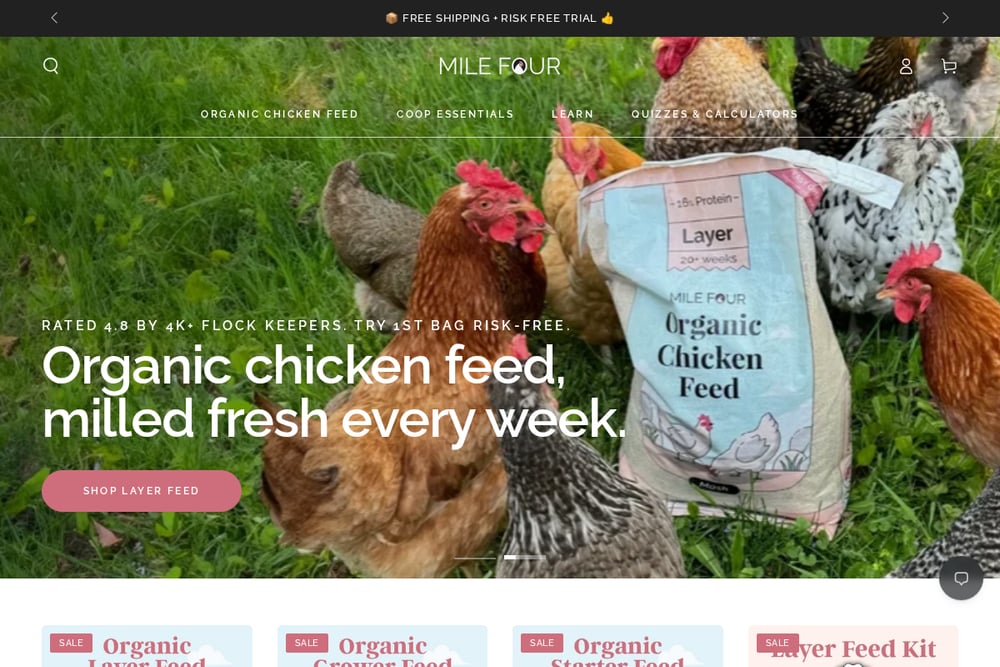 A screenshot of the Mile Four website.
Mile Four pairs organic chicken feed with a suite of planning tools, including a coop size calculator and a feed cost calculator. The site organizes guidance by age and purpose, so you can move from chick to layer without guessing. Its zoning laws lookup is a practical touch for anyone unsure about local rules. The calculators are straightforward and sit alongside product pages, which makes it easy to act on the numbers. If you want a single brand to handle both planning and supplies, this is a strong starting point.
#2 Egg & Acre · Backyard Chickens, Sized Right and Kept Well
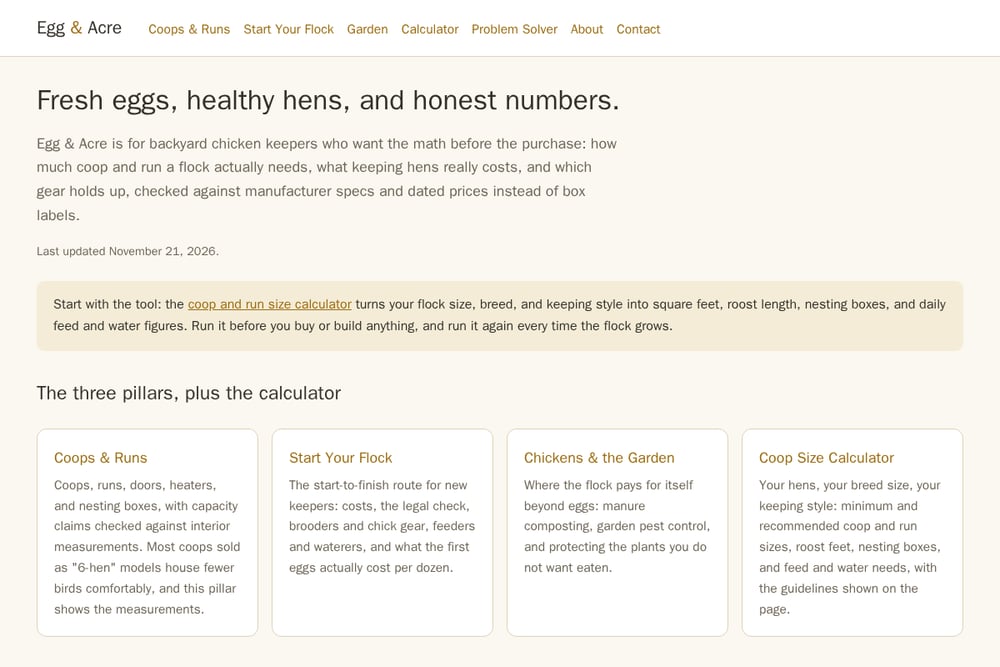 A screenshot of the Egg & Acre website.
Egg & Acre is built around one idea: get the math before the purchase. Its coop and run size calculator turns your flock size, breed, and keeping style into square feet, roost length, nesting boxes, and daily feed and water figures. The site checks capacity claims against interior measurements, noting that many coops sold as six-hen models house fewer birds comfortably. Beyond sizing, it covers startup costs, gear comparisons with dated prices, and a problem solver that starts from what went wrong. The garden pillar shows how the flock can pay for itself beyond eggs.
#3 Chicken Fans
 A screenshot of the Chicken Fans website.
Chicken Fans offers a clean, no-frills coop size calculator that gives you a range based on bird type and run access. The site explains the reasoning behind the numbers, including why bantams need less space and why more room is always better. It also covers coop types and a beginner's guide, so you can connect the calculation to a real build. The tone is direct and the guidance is easy to follow. It is a solid reference when you want a second opinion on space requirements.
#4 Easy Coops
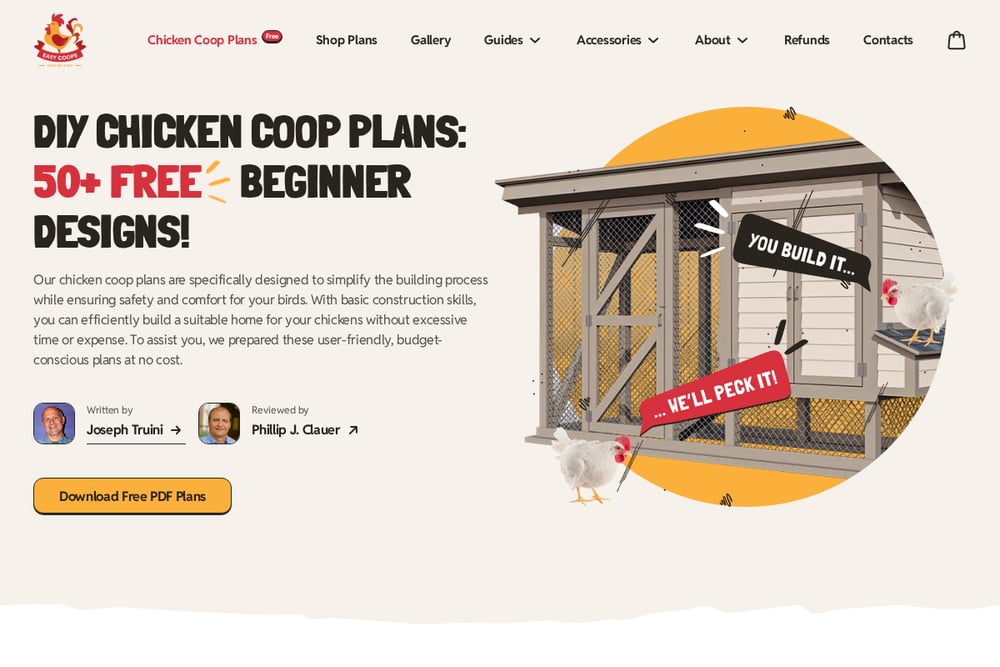 A screenshot of the Easy Coops website.
Easy Coops goes beyond a simple calculator by letting you filter breeds by size, egg production, climate tolerance, and broodiness before calculating space. That breed-first approach helps you plan for the chickens you actually want, not a generic average. The site also publishes guides on coop costs, permits, and predator-proofing, which round out the planning process. If you are still choosing breeds, this is a useful place to start. The calculator adjusts recommendations based on whether your birds will be confined, in a run, or free-ranging.
#5 Yard Roost
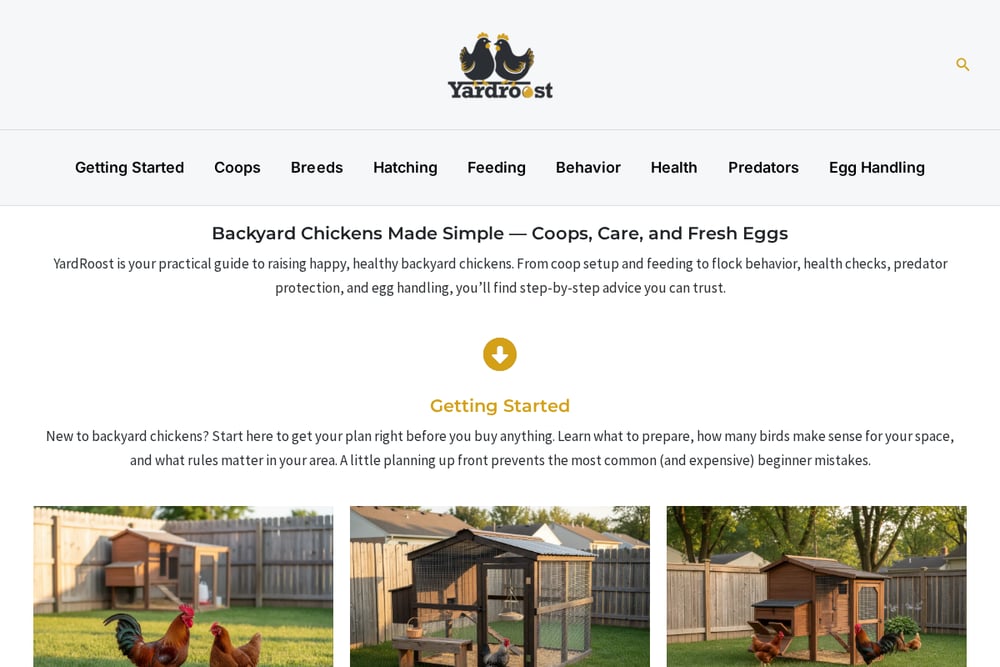 A screenshot of the Yard Roost website.
Yard Roost provides a coop and run calculator with minimum and comfort modes, plus advanced options for nest boxes and roost space. The page explains why both coop and run size matter, and how run size affects boredom and feather picking. It is a practical tool for comparing layouts or upgrading a small coop. The guidance is clear and the interface is simple. Use it when you want a fast sanity check on your space plan.
How to choose the right planning resource
Start with your biggest unknown. If you are unsure how much space your flock needs, begin with a calculator that accounts for breed and keeping style. If cost is your concern, look for resources that publish dated prices and startup breakdowns. If you are still picking breeds, choose a tool that lets you filter by climate and egg production. And if you want to buy supplies and plan in one place, a brand-backed resource may save you time. The key is to use at least two sources and compare their recommendations before you spend money.
Putting the numbers to work
Run your flock size and breed through a calculator, then save the output as your baseline. Revisit it every time your flock grows or your keeping style changes. Use the cost guides to build a simple budget, and check gear reviews against manufacturer specs before buying. When a problem arises, start with the problem solver or checklist rather than guessing. This loop keeps your setup right-sized and your spending intentional.
The bottom line
The best planning resource is the one that gives you honest numbers and connects them to real decisions. Egg & Acre stands out for its measurement-checked capacity claims and dated pricing, but each of these five offers a useful angle. Use them together to size your coop, budget your startup, and keep your flock healthy.