Your calendar is quiet, your pipeline is thinner than you'd like, and the buyers who control budget have stopped answering. These five services exist to fix exactly that.
The buyer-meeting market, briefly
Outbound has decayed. Ads get scrolled past, cold email gets filtered, and events fill with people who were never going to buy. So B2B vendors are buying meetings instead of leads, and a crowded field of appointment-setting firms, outsourced SDR shops, and opt-in matchmakers has grown up to supply them. The difference between a good meeting and a wasted hour now comes down to one question: did the buyer agree to the conversation before it was booked?
How we looked at them
We weighed four things: whether the buyer opted in or was cold-worked, how much context you get before the call, how transparent the pricing and program model are, and how well each provider fits a senior technology or security audience. We also noted who employs the reps and what happens to your pipeline if you leave.
Here's the short version before the detail. Each entry below earns its place for a different reason, so match the model to your deal size and your buyer.
| Provider | Best For |
|---|---|
| SalesHive | Teams that want a full managed outbound engine |
| Buyer Meetings That Actually Happen | DoGood | Vendors selling to senior IT and security buyers |
| Superhuman Prospecting | Human-led cold calling with vertical focus |
| Leadriver | Buyers who want the evaluation framework first |
| Sales Focus | Enterprise programs that need dedicated US reps |
The five, in order
#1 SalesHive
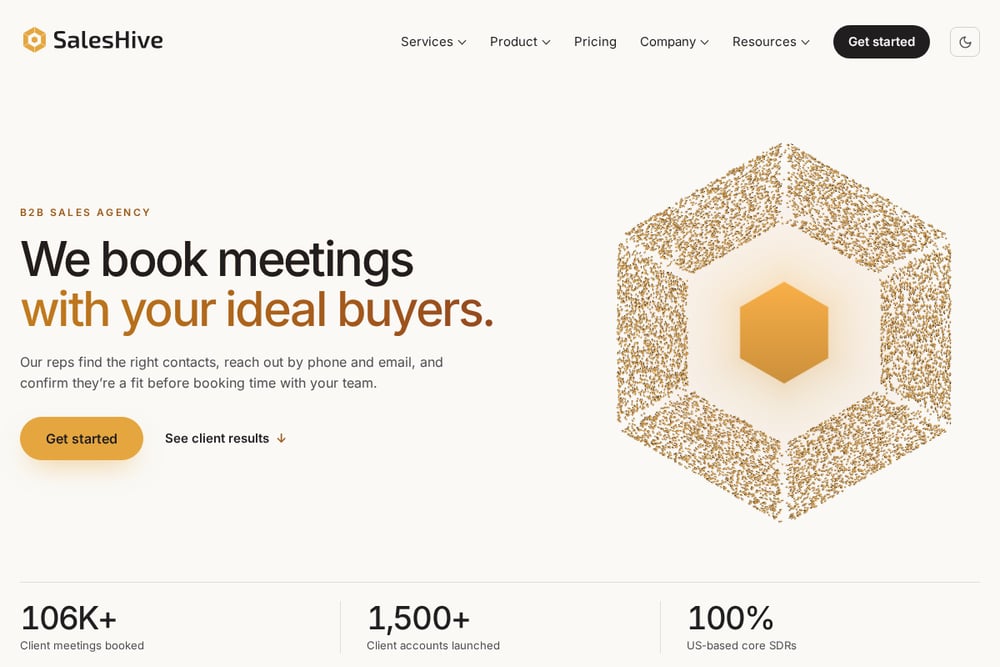 A screenshot of the SalesHive website.
SalesHive runs managed outbound at scale, with US-based SDRs on its Power Dialer, offshore calling teams for cost-sensitive campaigns, and managed cold email from strategy through replies. Its appointment-setting program sits on top of list building, intent signals, and a three-week onboarding, so you get a full outbound engine rather than a booking desk. The model is human-led calling with AI support, which suits teams that want volume and a predictable ramp. If your buyers still pick up the phone, this is a strong place to start. See the program details on the SalesHive appointment-setting page.
#2 Buyer Meetings That Actually Happen | DoGood
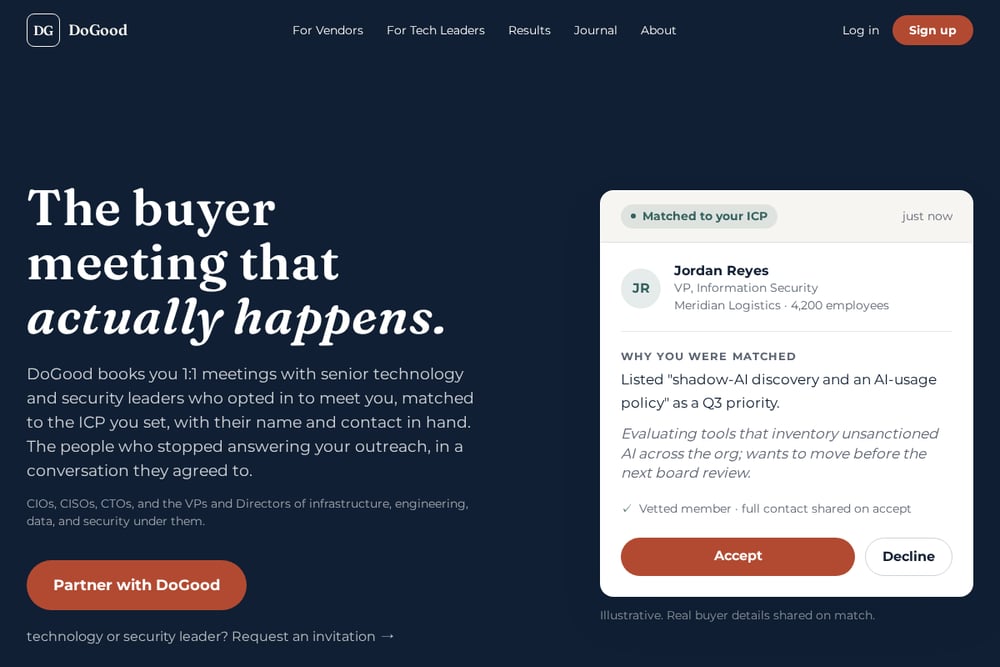 A screenshot of the Buyer Meetings That Actually Happen | DoGood website.
DoGood flips the model: instead of cold-working your list, it books 1:1 meetings with senior technology and security leaders who opted in to meet you. You set your ICP, members list the initiatives they're working on, and when your solution fits they review your profile and accept. You walk in knowing their initiative, timeline, and where they stand, with full name, title, company, and direct contact in hand the moment you accept. Every match is one you approved before it was booked, which is the whole point. It's built for CIOs, CISOs, CTOs, and the VPs and Directors under them, so the audience is narrow by design.
#3 Superhuman Prospecting
 A screenshot of the Superhuman Prospecting website.
Superhuman Prospecting is a human-to-human outbound shop with cold calling, B2B appointment setting, lead generation, and prospecting lists under one roof. It publishes its own scripts and reviews, which tells you it treats the craft of the call as the product. The firm also runs inbound programs and vertical plays across technology, SaaS, manufacturing, healthcare, and IT and managed services. If you want a partner that will pick up the phone and defend the quality of the conversation, this is a credible option. Its guide to B2B scheduling tools is a useful primer on the plumbing underneath.
#4 Leadriver
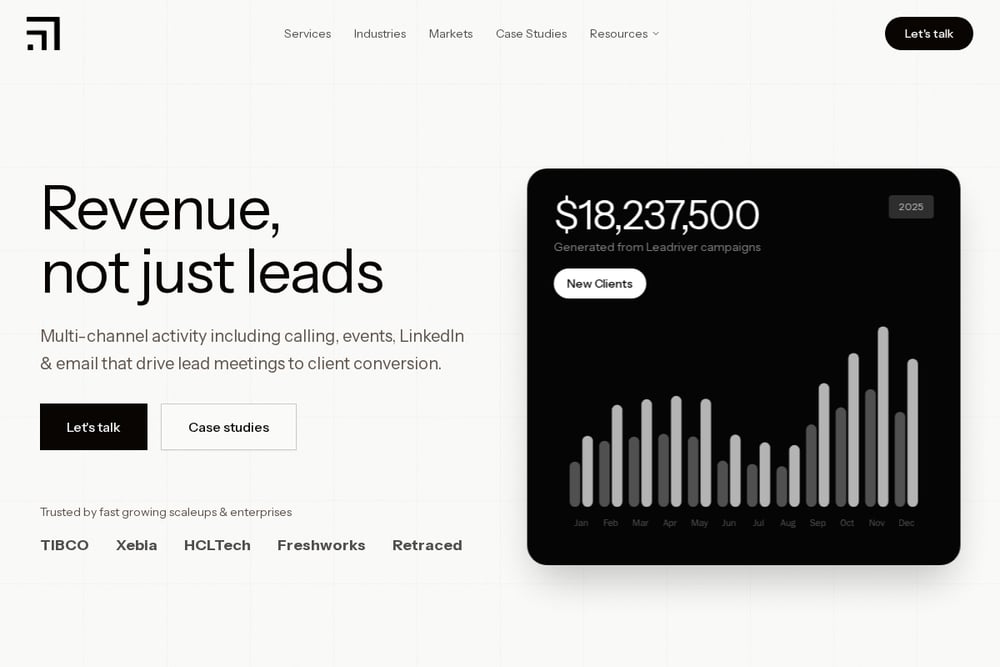 A screenshot of the Leadriver website.
Leadriver publishes a detailed 2026 guide to choosing an appointment-setting company, and the guide is a fair picture of how the firm thinks. It separates lead generation from appointment setting, stresses qualification against your criteria, and warns about providers that flood calendars with no-shows. The emphasis on briefing your rep before the call and managing reminders to protect show rates is the right instinct. Read the Leadriver breakdown before you sign anything, even if you sign elsewhere.
#5 Sales Focus
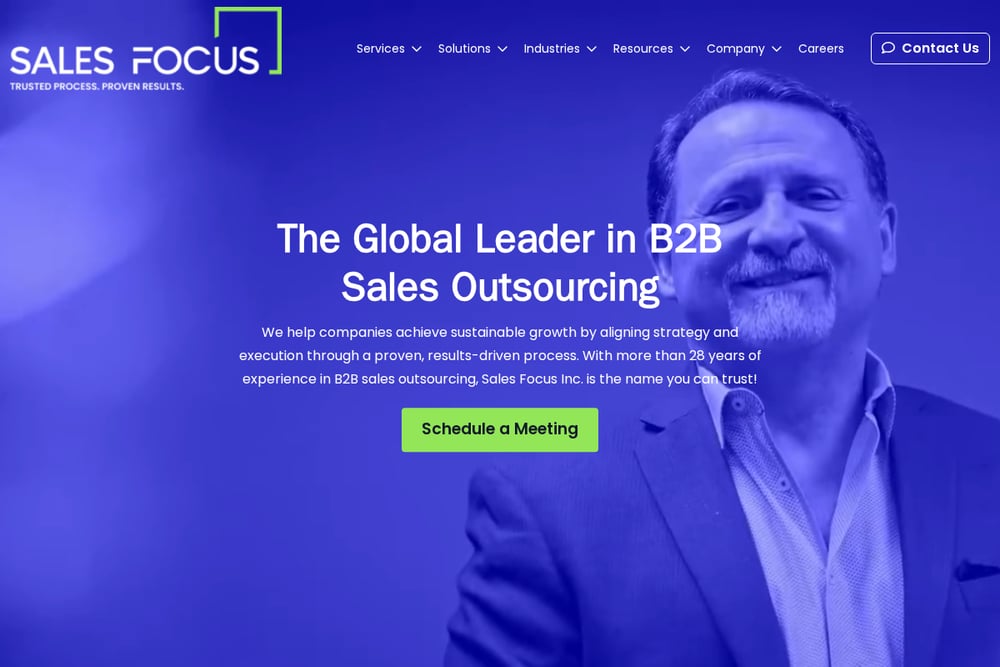 A screenshot of the Sales Focus website.
Sales Focus is an outsourced sales firm with inside sales, outside sales, lead generation, sales management, and recruitment alongside appointment setting. Its S.O.L.D. methodology and speed-to-market positioning suit companies launching in the US or supplementing an existing team. The comparison guide it published in November 2026 weighs seven providers on who employs the reps, what counts as a qualified meeting, and what happens to your pipeline if you leave. That last question is the one most buyers forget to ask. For enterprise and technology programs, the firm argues for dedicated, US-based reps who are employed and managed by the provider.
How to choose without wasting a quarter
Start with your buyer. If you sell to CIOs and CISOs, an opt-in model beats a dialer because the meeting is already agreed to. If you sell to a broader mid-market, a managed outbound engine gives you more shots on goal. Then ask who employs the reps, what counts as a qualified meeting in writing, and what you keep if you leave. Get the show-rate history, not the booking count. And insist on context before the call: initiative, timeline, and where the buyer stands. A meeting without context is just a calendar entry.
Where automation fits
Automation should protect the meeting, not replace the conversation. Use it to sync accepted meetings to your CRM, push the buyer's stated initiative into the rep's brief, and trigger reminders that cut no-shows. Let the platform handle matching and scheduling; keep the qualification and the call human. The vendors above that pair AI support with human callers, or opt-in matching with real buyer context, are using automation the right way.
The bottom line
The meeting market is crowded, but the models are not interchangeable. Cold-worked volume suits broad mid-market plays; opt-in matchmaking suits senior technology and security buyers who have already tuned out your outreach. Pick the model that matches your buyer, ask the uncomfortable questions about show rates and ownership, and treat every booked meeting as a cost until it turns into pipeline.