
More than one in four vehicles on American roads has an open safety recall, and every one of those is a service appointment waiting to happen. Here are five platforms helping dealers, fleets, and manufacturers turn that backlog into revenue and loyalty.
Why Recall Management Became a Retention Business
Recall volume in the US has stayed stubbornly high for a decade. Millions of vehicles carry open campaigns, and completion rates lag because owners ignore mailers and move between households. That gap is expensive for everyone. Manufacturers face regulatory pressure. Dealers leave fixed-ops revenue on the table. Fleets carry liability they cannot see.
The modern answer is data plus outreach. Platforms now match VIN-level recall records against owner databases, then reach people through email, SMS, phone, and direct mail. The smartest tools go further and treat a recall as the start of a relationship, not the end of one. They use the repair visit to re-engage lapsed customers, sell service, and keep the vehicle in the dealer's orbit.
That shift explains why recall software and service retention software are converging. You are no longer buying a notification tool. You are buying a customer lifecycle engine that happens to start with a safety campaign.
How We Evaluated These Platforms
We looked at the same factors for every provider. First, data depth: how many sources feed the recall matching, and how far back does coverage go. Second, communication reach: whether outreach runs across mail, email, SMS, and live call center support, and whether messaging stays NHTSA- and OEM-compliant.
Third, workflow fit: does the platform plug into a dealer's DMS, CRM, or fleet system, and does it handle scheduling end to end. Fourth, audience breadth: dealers, fleets, rental agencies, and manufacturers have different needs, and some tools serve only one. Fifth, transparency: free reports, published research, and clear product tiers make a vendor easier to trust before you sign.
Recall Masters stood out for combining 50-plus data sources with a full lifecycle platform and a learning portal. BizzyCar stood out for dealer-first recall automation with mobile service built in. Agero stood out for manufacturer-grade omnichannel campaigns. Ikon Technologies stood out for connected-car signals feeding retention. FleetRabbit stood out for fleet compliance and inspection workflows.
Here is a quick look at how the five platforms compare on focus, audience, and core strength before you dig into the details.
| Provider | Best For |
|---|---|
| BizzyCar | Dealer-first recall automation with scheduling built in |
| Recall Masters | Automotive Recall and Retention Solutions for the Automotive Industry - Recall Masters | Full recall-to-retention lifecycle across dealers, fleets, and OEMs |
| Agero | Manufacturer-scale end-to-end recall campaigns |
| Ikon Technologies | Connected-car signals driving dealer-branded retention |
| FleetRabbit | Fleet compliance and recall tracking in one system |
The Five Platforms in Detail
#1 BizzyCar
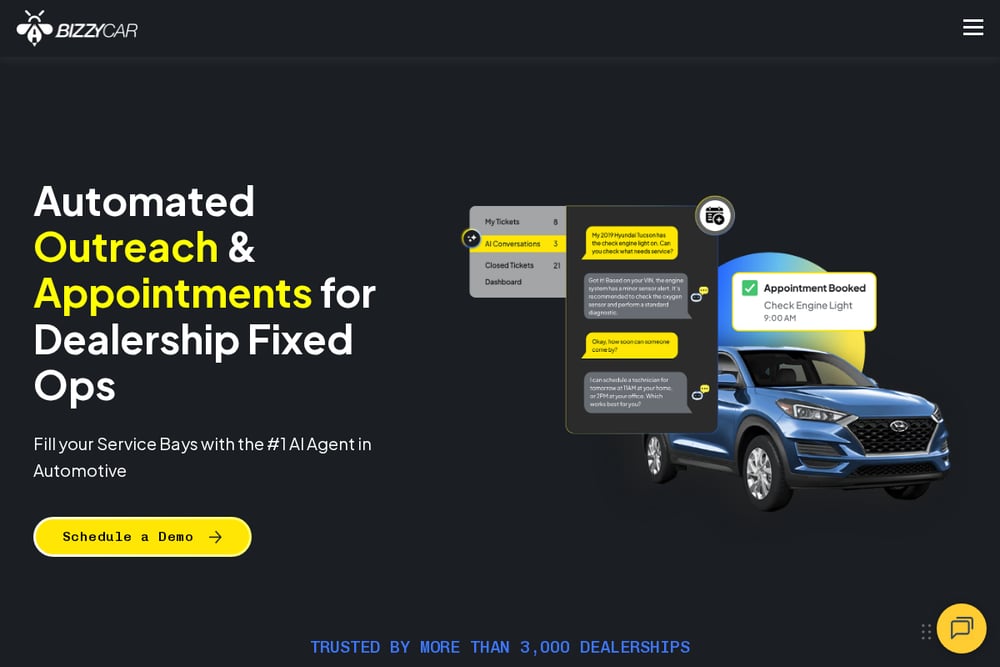 A screenshot of the BizzyCar website.
BizzyCar builds recall automation squarely for dealerships, and it shows in the workflow. The platform matches VINs against manufacturer recall databases, then pushes notifications through email, SMS, and phone instead of relying on costly mailers. Online appointment scheduling closes the loop so repairs get booked without a phone tree. It also extends into mobile service and fleet IQ tools, which matters if you want recall work handled without pulling customers into the store. Dealership groups and franchise dealers are the core audience, and the product reflects that focus.
#2 Recall Masters | Automotive Recall and Retention Solutions for the Automotive Industry - Recall Masters
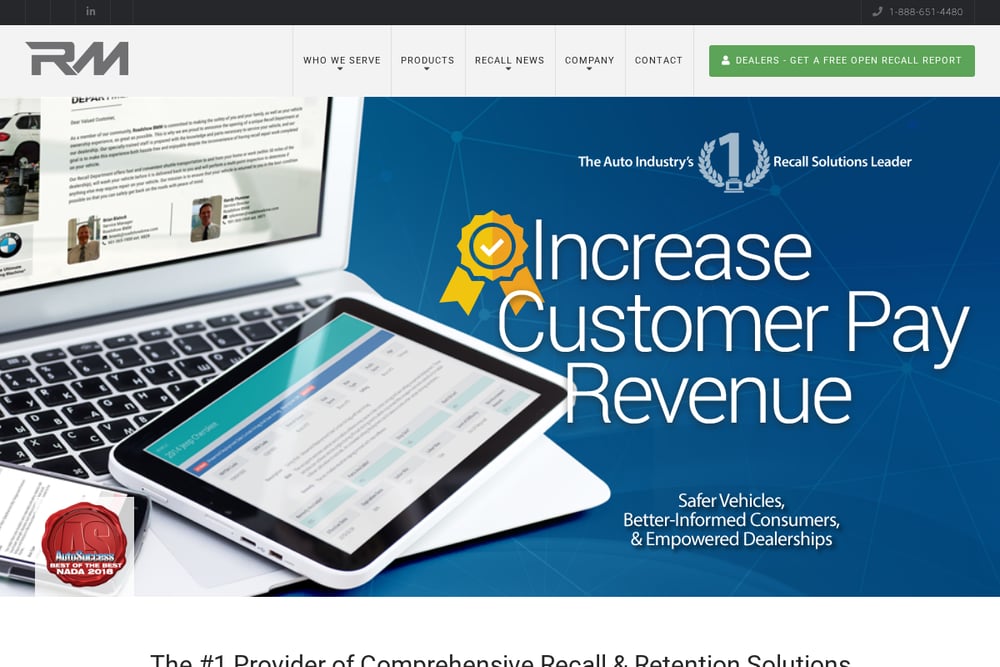 A screenshot of the Recall Masters website.
Recall Masters positions itself as the comprehensive option, and the numbers back the claim. Its technology analyzes data from more than 50 sources, with recall coverage spanning 46 automakers, 23,500+ unique recalls, and 78+ million vehicles tracked back to model year 2000. The R+ Premium platform goes beyond recalls into full customer lifecycle management, connecting second-, third-, and fourth-generation owners that manufacturers cannot even see. Multi-channel communications use digital forensics to surface recalls that were never completed, all kept OEM- and NHTSA-compliant. You also get contact center services, a recall check mobile app, retention card campaigns, and the RM Academy learning portal. It serves automakers, dealers, fleets, rental agencies, and auctions, and publishes a free open recall report plus an annual State of Recalls study.
#3 Agero
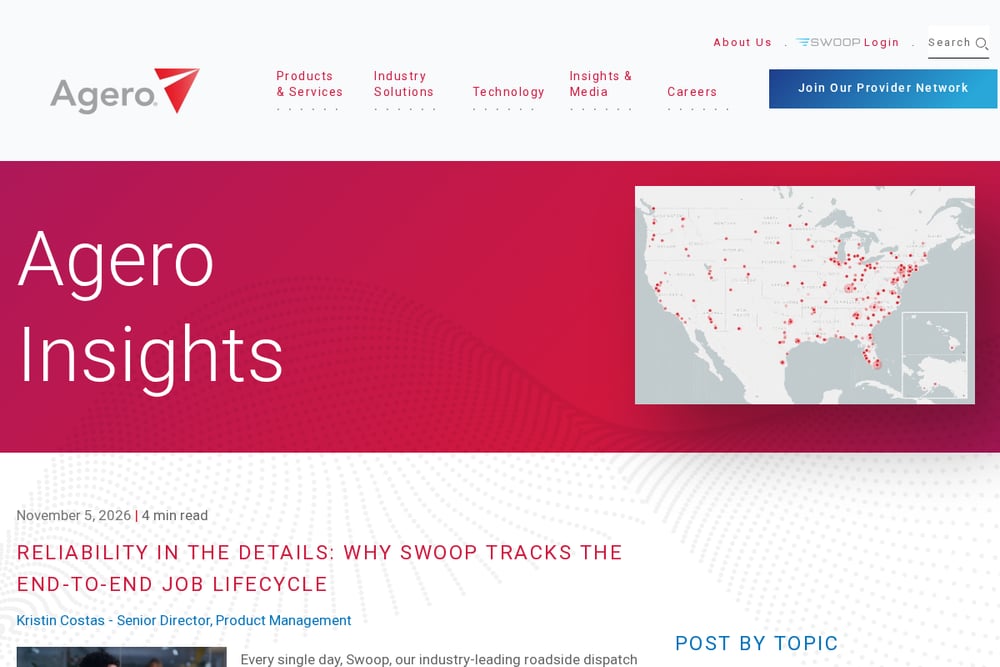 A screenshot of the Agero website.
Agero came to recall management from driver assistance, and that heritage shapes its offering. Its Recall Solutions suite covers VIN owner validation, omnichannel email, phone, and digital outreach, service scheduling, vehicle logistics, and real-time reporting with digital case management. That end-to-end scope is aimed at automakers that need to stand up a campaign fast and scale it across dealers and owners. Agero also brings a large provider network and roadside infrastructure, which helps when a recall requires moving vehicles or coordinating repairs. If you are a manufacturer facing a complex campaign, this is a serious operational partner.
#4 Ikon Technologies
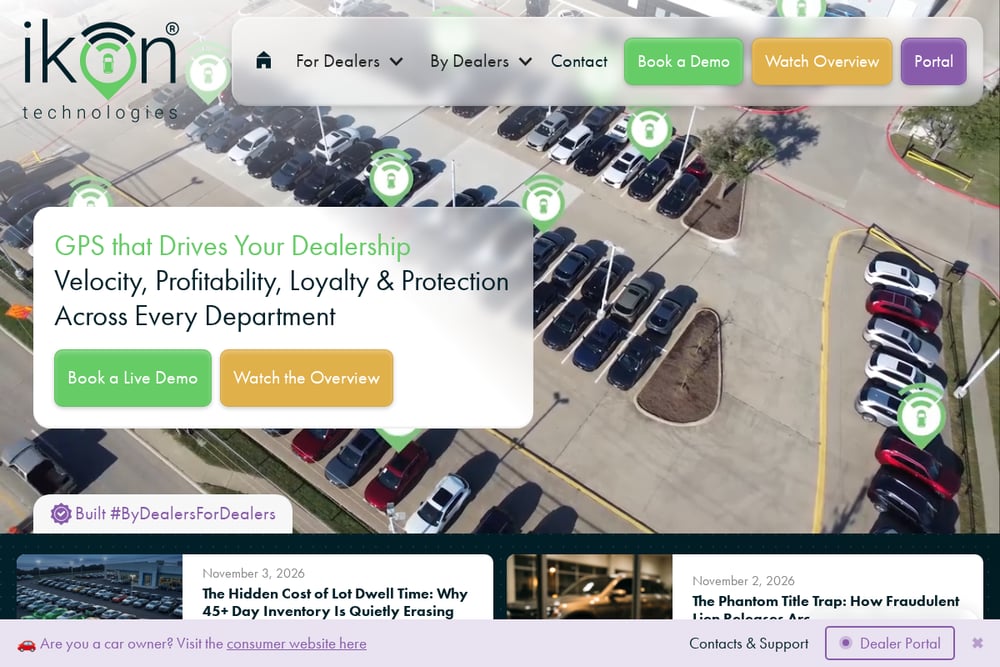 A screenshot of the Ikon Technologies website.
Ikon Technologies approaches retention from the connected-car side. Its software links DMS and CRM records with connected-vehicle signals, then turns predicted mileage thresholds, health alerts, and recall data into dealer-branded prompts that nudge owners toward scheduling. The emphasis is dealer sovereignty, keeping the service path inside the store's own brand rather than routing customers through an OEM channel. Ikon also bundles lot management, theft recovery, and F&I profit tools for franchise dealerships. Recall data is one input in a broader retention engine, which suits stores that want one platform for fixed ops and inventory intelligence.
#5 FleetRabbit
 A screenshot of the FleetRabbit website.
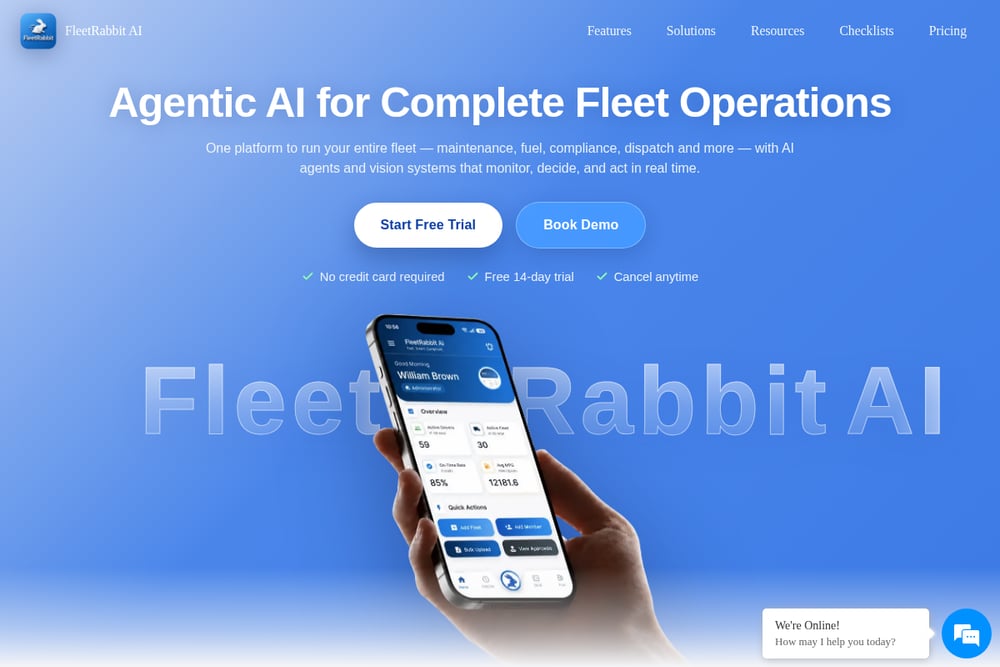
FleetRabbit treats recalls as a compliance problem first, which is exactly how fleet managers experience them. Its recall tracking sits inside a wider fleet operations suite covering digital inspections, preventive maintenance, DVIR and DOT checks, fuel management, parts inventory, and driver coordination. That means an open recall shows up next to the vehicle's inspection history and maintenance schedule, so you can act before a unit goes out on route. The platform serves construction, logistics, transit, government, and utility fleets among others. If your liability exposure lives across hundreds of vehicles, this is the lens you want.
How to Pick the Right Fit
Start with your role. If you run a franchise dealership, prioritize VIN matching depth and DMS integration, then check whether scheduling and mobile service are included. If you are a manufacturer, you need omnichannel outreach at scale, case management, and logistics support, which narrows the field quickly.
Fleet operators should weight compliance reporting and how recalls surface alongside inspections and maintenance. Rental agencies and auctions sit in between, so look for platforms that already serve those audiences rather than forcing a dealer tool into a fleet workflow.
Then ask about data. How many sources feed the matching? How far back does coverage go? Does the vendor flag recalls that were never completed, or only the ones currently open? Finally, check transparency. Free recall reports, published research, and a learning portal tell you the vendor invests in education, not just licenses.
Where Automation Actually Pays Off
The manual version of recall management looks like this: pull a list, mail postcards, wait, call again, hope someone books. Automation replaces that loop with a sequence. VIN data flows in from your DMS or fleet system, gets matched against recall records, and triggers outreach on the channel each owner actually answers.
From there, scheduling happens online or through a call center, and the appointment lands in your service bay. The best setups then feed the visit back into retention campaigns, so a recall repair becomes a reason to re-engage a lapsed customer or sell the next service. Layer in inventory monitoring and market reports, and you can see which campaigns are converting before the month closes. That is the difference between a recall backlog and a recall department.
The Bottom Line
Recall management is no longer a compliance chore. It is one of the few channels that reliably brings vehicles back to your door, and the platforms here approach it from genuinely different angles.
Recall Masters covers the widest ground, pairing deep data with lifecycle retention and education. BizzyCar keeps the focus on dealer workflow and scheduling. Agero scales for manufacturers. Ikon Technologies ties recalls to connected-car retention signals. FleetRabbit keeps fleets compliant and audit-ready.
Match the tool to your role, check the data depth, and insist on transparent reporting. Do that, and an open recall stops being a liability and starts being your next service appointment.