
Film is back, and not just as a trend. These five analog photography studios are showing you what intentional, grain-rich storytelling looks like in 2026.
The Analog Photography Comeback
Analog photography has moved from nostalgia to strategy. Couples, families, and brands are hiring film photographers because the medium forces a slower, more deliberate process. You get fewer frames, more intention, and images that feel like objects rather than files. Studios now blend 35mm, instant Polaroid, and Super 8 film with digital delivery, scanning negatives at high resolution and shipping prints or scans within weeks. The result is a market split between wedding-focused documentarians, family lifestyle shooters, and creative agencies that treat film as a brand aesthetic. Pricing is rarely listed upfront, so portfolios and process descriptions do most of the selling.
How We Evaluated These Studios
We looked at the same factors for every studio. Service scope mattered: does the studio offer 35mm, instant film, Super 8, or a mix? Process transparency mattered: can you tell how a session runs, how film is developed, and when you receive scans? Local fit mattered: does the studio serve a defined region or travel? Portfolio clarity mattered: can you see actual film work rather than digital stand-ins? And contact ease mattered: is there a clear path to inquire or try the work? Each studio stood out in different ways. LORINANORA leans on a free trial offer and a creative-agency framing. Elissa Deline emphasizes the ritual of film for weddings. Sara Welch breaks services into 35mm, Polaroid, and Super 8 tiers. Brian Weitzel brings decades of darkroom experience to Detroit weddings. Anissa D. pairs San Diego landscapes with an educational, presets-driven approach.
Here is a quick look at how the five studios compare on focus, film formats, and the clients they serve best.
| Provider | Best For |
|---|---|
| Elissa Deline Photography | Film-first wedding documentation |
| LORINANORA | Brands testing a film aesthetic |
| Sara Welch Photography | Mixed-format family and wedding sessions |
| Brian Weitzel Photography | Documentary wedding coverage with darkroom roots |
| Anissa D. Photography | San Diego sessions with an educational angle |
The Five Studios in Detail
#1 Elissa Deline Photography
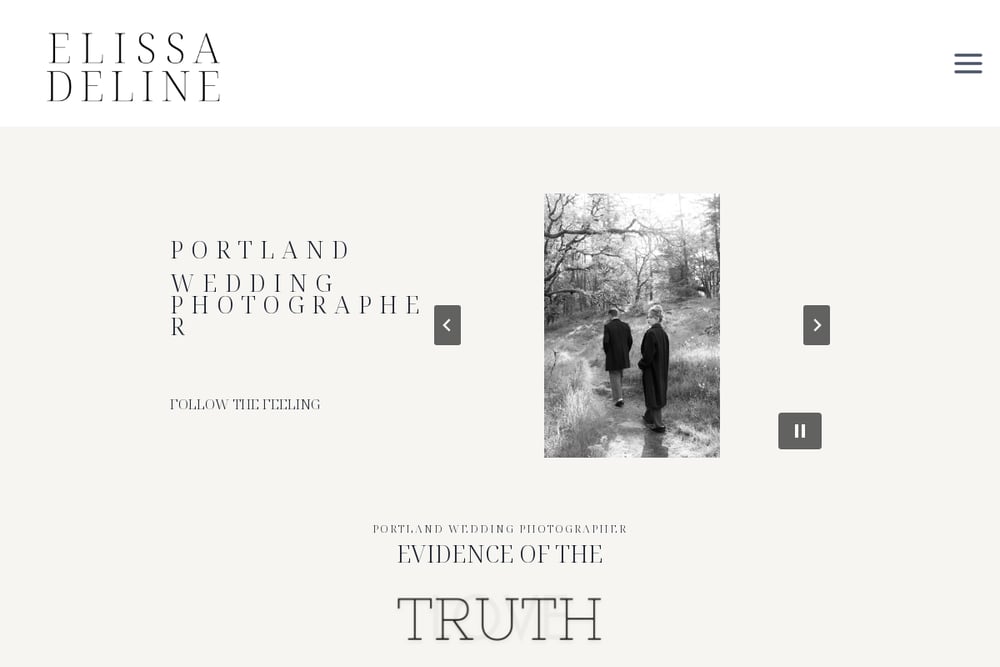 A screenshot of the Elissa Deline Photography website.
Elissa Deline built her Portland practice around film weddings, and the site reads like a manifesto for the medium. She compares shooting film to playing a vinyl record: you load the roll, set the ISO, choose aperture and shutter speed, and make the picture with intention. That framing helps you understand why the results feel candid and timeless rather than polished and digital. The portfolio and planning resources give you a clear sense of the wedding-day workflow. If you want a photographer who treats analog as a philosophy, start here.
#2 LORINANORA
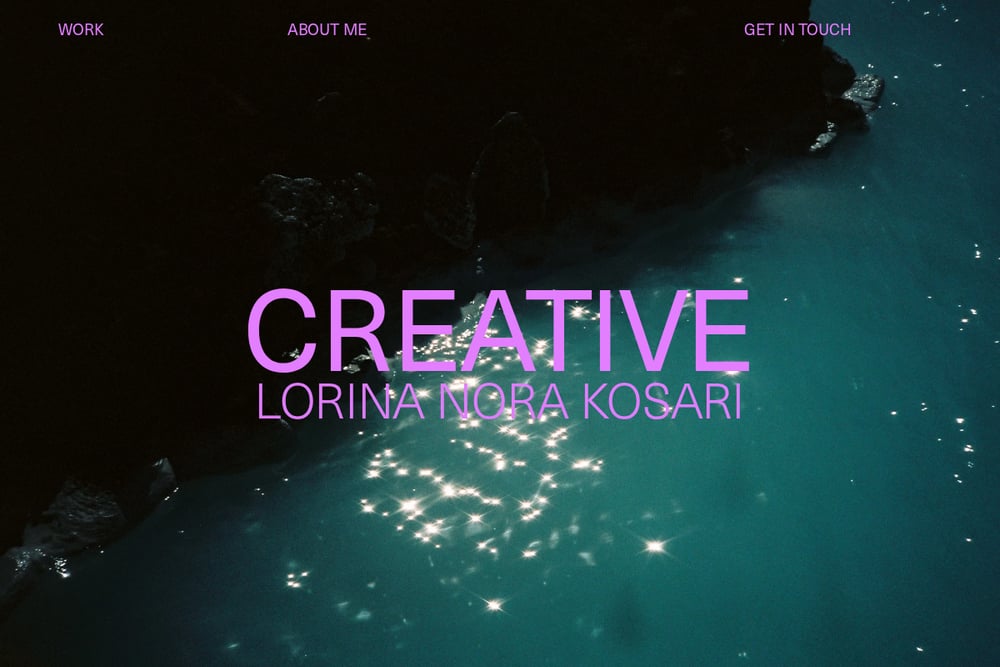 A screenshot of the LORINANORA website.
LORINANORA positions analog photography as a creative service, not just a shoot. The site is spare and direct: a portfolio, an about page, a contact link, and an invitation to try the work for free. That free-trial hook lowers the barrier if you are curious about film but unsure how it fits your brand or project. The creative-agency framing suggests she works with clients who want a distinct visual identity rather than standard event coverage. Reach out through the contact page to see how the process works for your needs.
#3 Sara Welch Photography
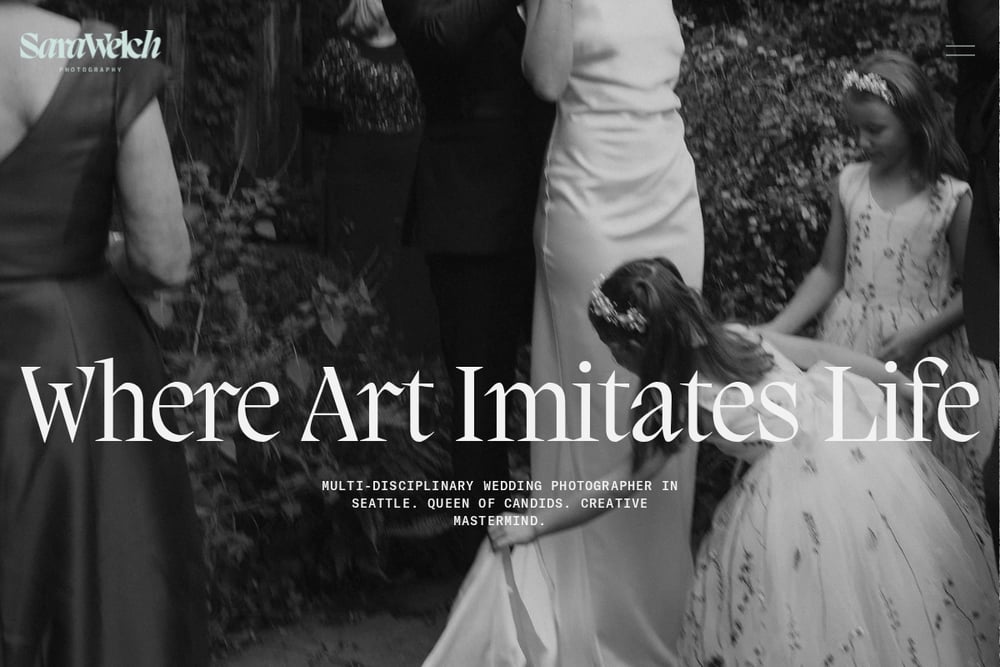 A screenshot of the Sara Welch Photography website.
Sara Welch runs a Seattle film practice with clearly separated formats. You can book 35mm sessions for nostalgic family and wedding images, instant Polaroid coverage for unplanned moments, or Super 8 film for dreamy motion. She scans Polaroids at high resolution and mails them back within two weeks, which makes the deliverable concrete. The studio also keeps a blog and a studio page, so you can follow the work before you inquire. It is a strong fit if you want to mix formats in one booking.
#4 Brian Weitzel Photography
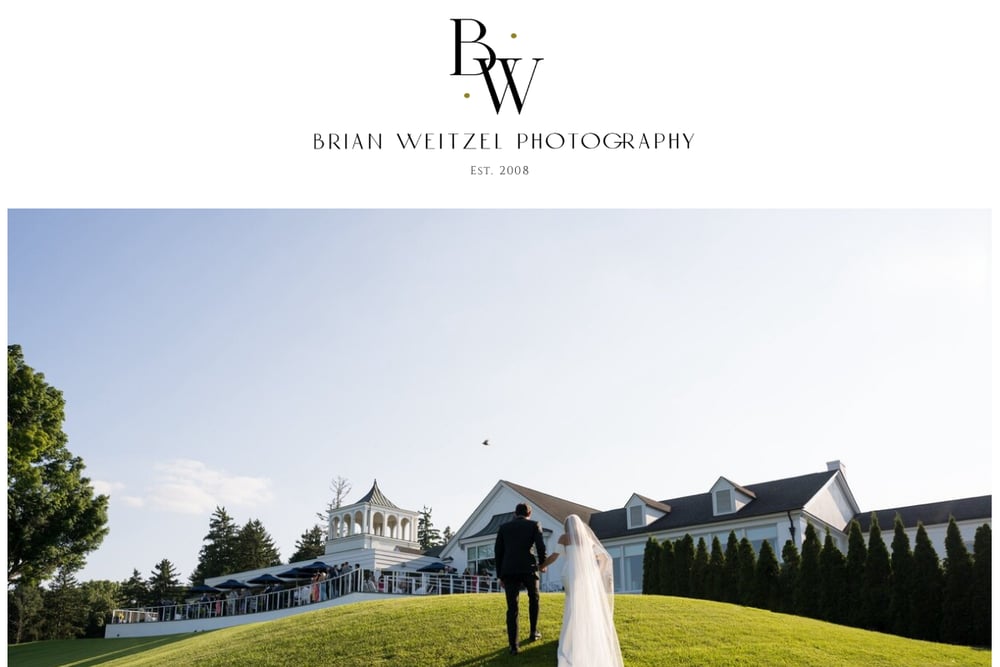 A screenshot of the Brian Weitzel Photography website.
Brian Weitzel has been shooting since he picked up his dad's 35mm Nikon 32 years ago, and the Detroit studio leans on that darkroom history. He develops and prints his own film, which shows in how he talks about the craft. The site includes pricing, galleries, a blog, and an FAQ, so you can research before you reach out. His argument is that digital wedding photography has drifted toward likes and editing, while film keeps the emotion. If you want a documentary-minded wedding photographer with deep technical roots, this is your stop.
#5 Anissa D. Photography
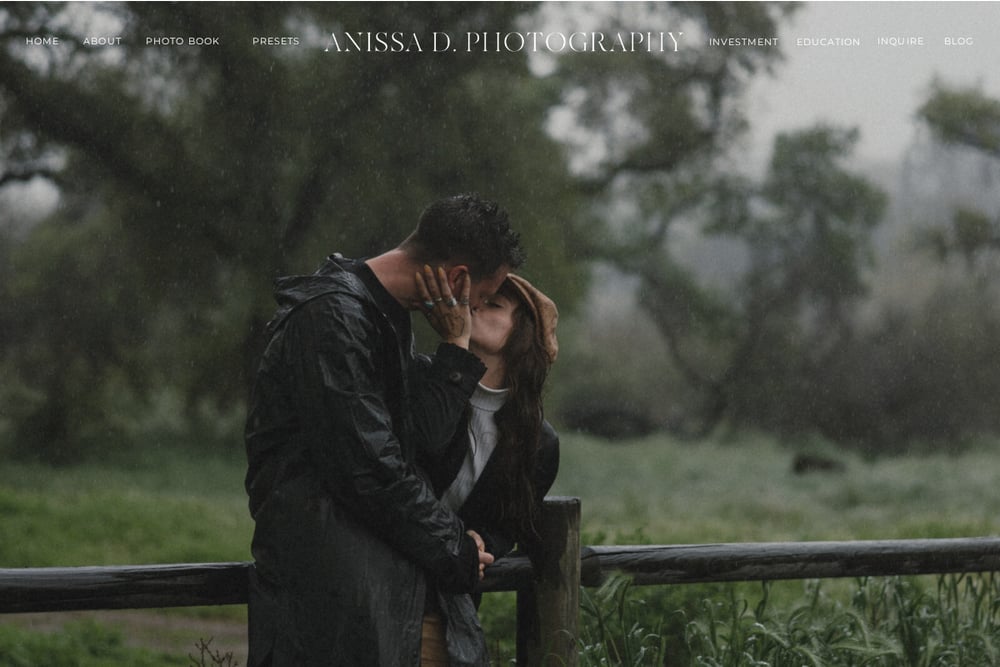 A screenshot of the Anissa D. Photography website.
Anissa D. works out of San Diego and shoots both digital and film, which gives you flexibility depending on the session. Her film work emphasizes grain, soft hues, and the deliberate pace of analog capture. The site also offers presets and education, so photographers and clients alike can engage with her approach. She frames film as a timeless medium rather than a passing trend, and the San Diego landscape features heavily in the portfolio. It is a good match if you want a film-forward photographer who also teaches.
How to Choose the Right Film Photographer
Start with the format you actually want. If you need motion, look for Super 8. If you want instant keepsakes, ask about Polaroid scans. If you want classic grain, confirm 35mm. Next, check the delivery timeline. Film takes time to develop and scan, so ask when you will receive images and whether prints are included. Then look at region. A Portland or Seattle studio may travel, but local fit often means faster turnaround and familiarity with light and venues. Finally, test the contact process. A free trial or a clear inquiry form tells you a lot about how the studio works with clients.
Where Automation Fits in a Film Workflow
Film is analog, but the business around it does not have to be. Use a simple inquiry form that captures date, format, and location so you can respond faster. Automate delivery updates so clients know when negatives are developed and scans are ready. Keep a shared gallery link and a print-order step in the same workflow. For studios like LORINANORA that offer a free trial, an automated follow-up sequence can turn curiosity into a booked session. The goal is to protect the slow, intentional part of shooting while smoothing the admin around it.
The Bottom Line
Film rewards patience, and these five studios each interpret that differently. Elissa Deline treats weddings as ritual. LORINANORA frames analog as a creative service with a free trial. Sara Welch gives you format options. Brian Weitzel brings darkroom craft to Detroit weddings. Anissa D. pairs San Diego light with education. Pick the one whose process matches how you want to be photographed, then reach out and ask about timelines, formats, and delivery before you book.