You want to teach your kids—or yourself—that reptiles and amphibians aren't scary, they're fascinating. These five New England providers make that happen with live animals, real expertise, and a conservation mindset.
The State of Amphibian and Reptile Education in New England
Reptile and amphibian education has moved far beyond the traveling birthday-party show. Today's providers run school programs, library events, homeschool sessions, and even venomous handling certifications. They're filling a gap left by traditional classrooms, giving kids and adults face-to-face time with animals most people only see on screens. In Massachusetts, Connecticut, and the wider region, demand is rising for programs that combine live animal encounters with real conservation messaging. The best providers don't just show you a snake—they explain why it matters, how to care for it ethically, and what you can do to protect its wild counterparts. Whether you're a parent, teacher, librarian, or aspiring hobbyist, you have more options than ever. The trick is knowing which provider fits your audience, your budget, and your learning goals.
How We Evaluated These Providers
We looked at five factors across every provider. First, service scope: do they offer school visits, library programs, private events, and online resources, or just one format? Second, pricing clarity: is cost published upfront, or do you have to inquire? Third, local fit: how well do they serve Massachusetts and Connecticut specifically? Fourth, educational depth: do they teach husbandry and conservation, or just show animals? Fifth, accessibility: can you book easily, and do they offer virtual or low-cost options? Each provider stands out in different ways. Riverside Reptiles Education Center impresses with its wide range of mobile programs and clear audience targeting. Amphibian & Reptile Center LLC shines for its focus on axolotl husbandry, kindness, and community building. Amphibian Foundation brings serious conservation science and transparent school pricing. Reptile & Amphibian Center offers a strong rescue and adoption angle alongside education. Rainforest Reptile Shows delivers polished library and family programming with a broad event menu. We didn't rank them against each other—we simply noted what each does well so you can match your needs.
Here's a quick look at the five providers, what they're known for, and who they serve best.
| Provider | Best For |
|---|---|
| Riverside Reptiles Education Center | Schools and libraries wanting a wide menu of mobile programs |
| Home | Reptile | Families and new hobbyists seeking axolotl and husbandry guidance |
| Amphibian Foundation | Teachers and parents who want a conservation-heavy curriculum |
| Reptile & Amphibian Center | People interested in adoption and rescue alongside education |
| Rainforest Reptile Shows | Libraries and event planners wanting polished, family-friendly shows |
The 5 Providers in Detail
#1 Riverside Reptiles Education Center
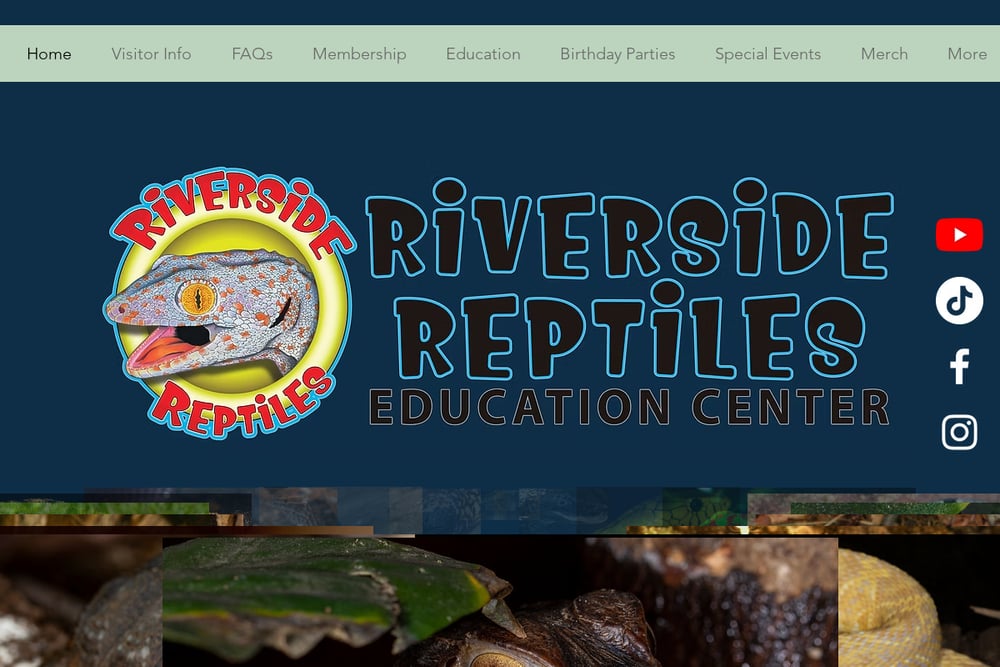 A screenshot of the Riverside Reptiles Education Center website.
Riverside Reptiles Education Center runs mobile outreach programs across Connecticut, Massachusetts, New York, and Rhode Island. Their Roving Reptiles program brings live animals to schools, libraries, camps, and birthday parties. You can book programs tailored to pre-K through adult audiences, including scout troops and homeschool groups. They also offer field trips, lecture series, and even a venomous handling certification. The center operates as a 501(c)(3) rescue, so your booking supports animal care. Their website lists program types and a booking link, making it easy to start planning.
#2 Home | Reptile
 A screenshot of the Home | Reptile website.
Amphibian & Reptile Center LLC (ARC) is a small educational LLC focused on proper husbandry and conservation. They teach kids and adults how to care for amphibians and reptiles, with a special passion for axolotls. You'll find care guides, research-based blog posts, and community outreach across Connecticut and Massachusetts. ARC became an LLC in 2025 and has been sharing their animals and knowledge at events throughout Connecticut. They're not a rescue, but they volunteer when they can and emphasize kindness toward all living beings. If you want a personal, education-first approach, ARC is worth a look.
#3 Amphibian Foundation
The Amphibian Foundation brings conservation science directly to schools in the metro Atlanta area. Their school programs cover animal structures, amphibians, reptiles, and conservation. You can book a visit for $150 per hour, with special rates for full-day activities. They also offer online programs, homeschool sessions, and critter parties. The foundation is research-driven, with ties to Agnes Scott College and a strong focus on amphibian decline. If you're outside Atlanta, their online offerings still provide solid educational content. Their transparent pricing makes budgeting straightforward.
#4 Reptile & Amphibian Center
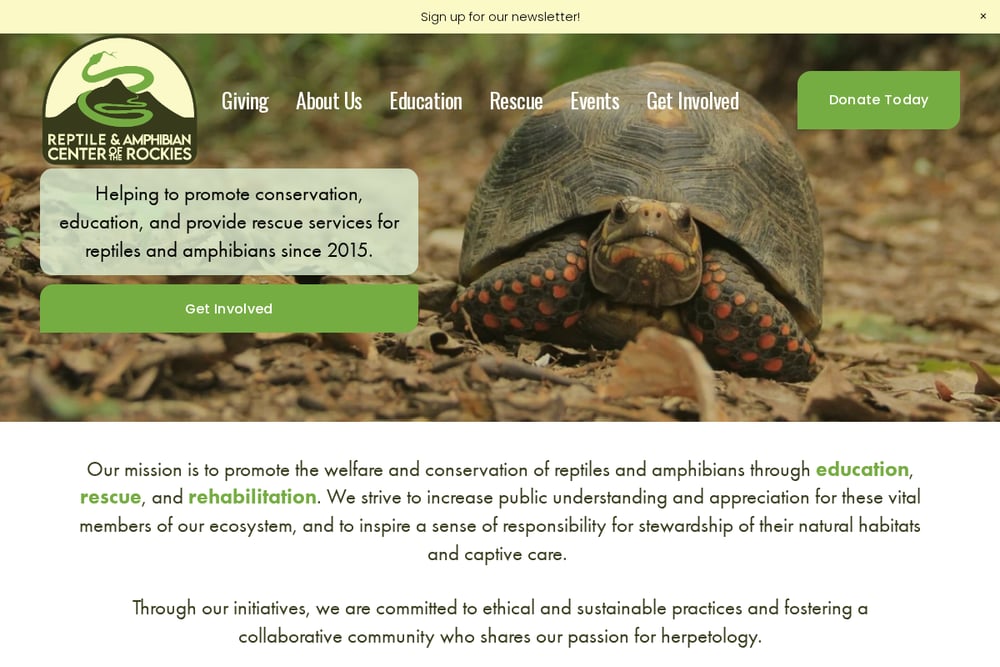 A screenshot of the Reptile & Amphibian Center website.
The Reptile & Amphibian Center combines education with rescue and adoption services. Their education programs cover pet care, local resources, and conservation. They also run an Environmental Classroom and take in adoptable animals. You can book a program or explore their husbandry resources online. The center emphasizes community understanding of nature and responsible pet ownership. If you're considering adopting a reptile or amphibian, they offer a surrender and adoption pathway. Their website includes a newsletter and local resource links for further learning.
#5 Rainforest Reptile Shows
Rainforest Reptile Shows specializes in live animal programs for libraries, schools, camps, and private events. Their library programs are designed to complement summer reading themes and family engagement. You can book birthday parties, corporate events, college fairs, and custom shows. They bring snakes, turtles, lizards, and alligators up close, making learning memorable. The company also offers photo and video shoots and law enforcement training. Their website makes it easy to reserve an event and explore their animal roster.
How to Choose the Right Provider for You
Start with your audience. If you're a teacher, look for providers with school-specific programs and clear pricing, like Amphibian Foundation. If you're a librarian, Rainforest Reptile Shows and Riverside Reptiles Education Center both have library-friendly formats. For families new to exotic pets, Amphibian & Reptile Center LLC offers personal guidance on axolotls and husbandry. If adoption is on your mind, Reptile & Amphibian Center connects education with rescue. Next, consider location. Some providers only travel within certain states, so check their service area before you book. Budget matters too—published rates save you time. Finally, think about depth. Do you want a one-hour show or an ongoing learning relationship? Match the provider's strengths to your goals, and you'll walk away with a program that sticks.
A Simple Workflow to Book Your Program
First, define your audience and goal—school assembly, library summer reading, or family learning. Second, shortlist two or three providers from this list based on their specialty. Third, check their websites for program details and pricing; note whether they publish rates or require an inquiry. Fourth, reach out with your date, audience size, and location. Fifth, confirm what's included—live animals, handler, setup time, and any travel fees. Sixth, book early, especially for spring and summer slots. Finally, prepare your group with a quick chat about respectful behavior around animals. This workflow keeps you organized and ensures you pick a provider that fits your needs without last-minute stress.
The Bottom Line on Reptile and Amphibian Education
You don't need to be a herpetologist to give your community a great animal experience. The five providers here each bring something different: Riverside's broad outreach, ARC's personal husbandry focus, Amphibian Foundation's conservation science, Reptile & Amphibian Center's rescue angle, and Rainforest Reptile Shows' polished library programs. Think about what you want your audience to walk away with—a memorable encounter, practical care skills, or a conservation mindset. Then pick the provider that aligns with that goal. With a little planning, you can turn curiosity into respect and respect into action.