
Your kid is stuck on a math problem, and the last thing you want is an app that just spits out the answer. These five AI tutoring tools take a different path—guiding, hinting, and letting your child do the thinking.
The AI Tutoring Landscape: Help That Doesn't Hand Over the Answer
AI tutoring has exploded in the US, but most tools still fall into two camps: answer machines and guided coaches. Parents and educators are increasingly wary of the first. They want tools that build independence, not dependency. The best platforms now use graduated hints, adaptive placement, and mastery tracking to keep students in the driver's seat. Whether you're supporting a third grader or a high schooler, the right tool should feel like a patient tutor—not a shortcut.
How We Evaluated These AI Tutoring Tools
We looked at five factors: subject coverage, how help is delivered (hints vs. answers), adaptive placement and mastery tracking, parent visibility, and pricing clarity. Each tool was assessed on its own merits. Paso stood out for its graduated hint system and mastery-only-on-your-own tracking. TutorMigo impressed with its Socratic math prompts. ThetaWise offered broad STEM coverage and video lessons. Tutor AI provided a structured word-problem framework. Pearson AI Tutor brought trusted content and video solutions. No tool is perfect for every family—your needs will determine the fit.
Here's a quick look at how these five tools compare on the features that matter most to parents and students.
| Provider | Best For |
|---|---|
| TutorMigo | Socratic math coaching |
| Paso: an AI tutor that helps without giving the answer | Graduated hints and independent mastery |
| ThetaWise | STEM students who want visual explanations |
| Tutor AI | Word problem frameworks and exam prep |
| Pearson AI Tutor | Students using Pearson course materials |
A Closer Look at Each AI Tutoring Tool
#1 TutorMigo
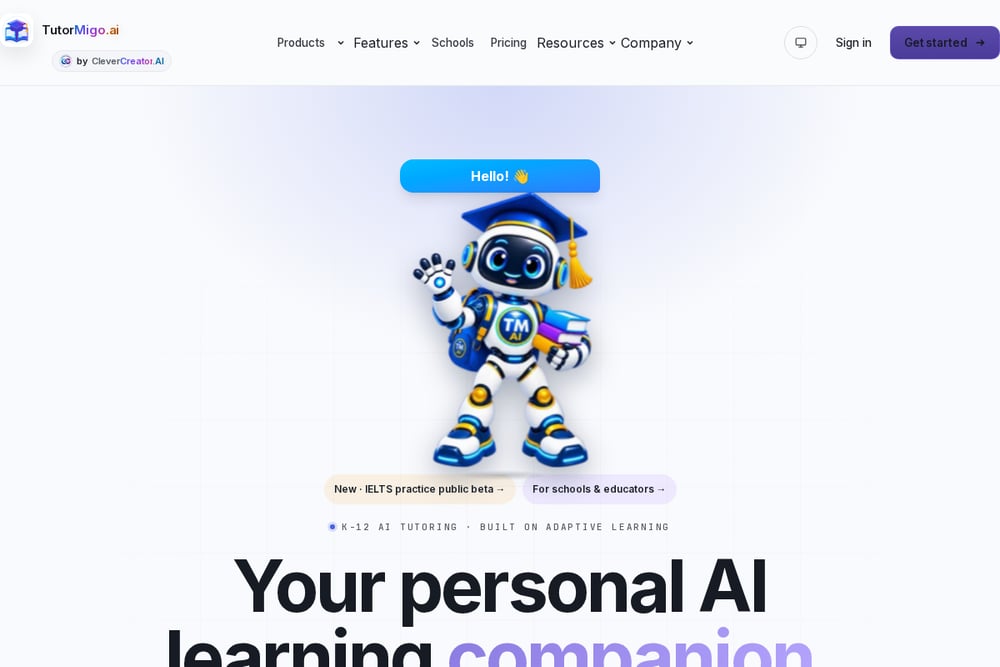 A screenshot of the TutorMigo website.
TutorMigo leans into Socratic questioning to help students solve math problems without copying answers. Its blog post on adaptive learning explains how guided prompts can turn Cs into As by building independent thinking. The platform offers practical prompts for homework, word problems, and test prep. It's a strong choice if you want your child to slow down and reason through each step. See their approach at TutorMigo's blog.
#2 Paso: an AI tutor that helps without giving the answer
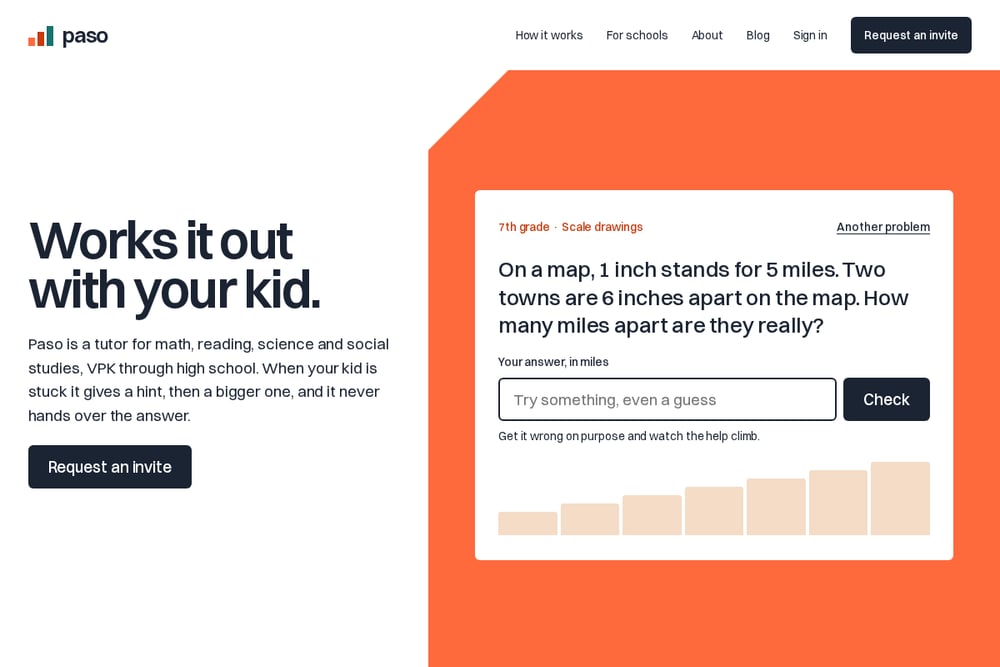 A screenshot of the Paso website.
Paso is built for VPK through high school, covering math, reading, science, and social studies. When your child gets stuck, it offers a cue, a different picture, a strategy, a step with a blank, or a worked example—never the answer. Mastery only counts when work is done independently, so progress is real. A short placement quiz finds the right starting step, and 15-minute sessions mix review, new learning, and games. Learn more at Paso's website.
#3 ThetaWise
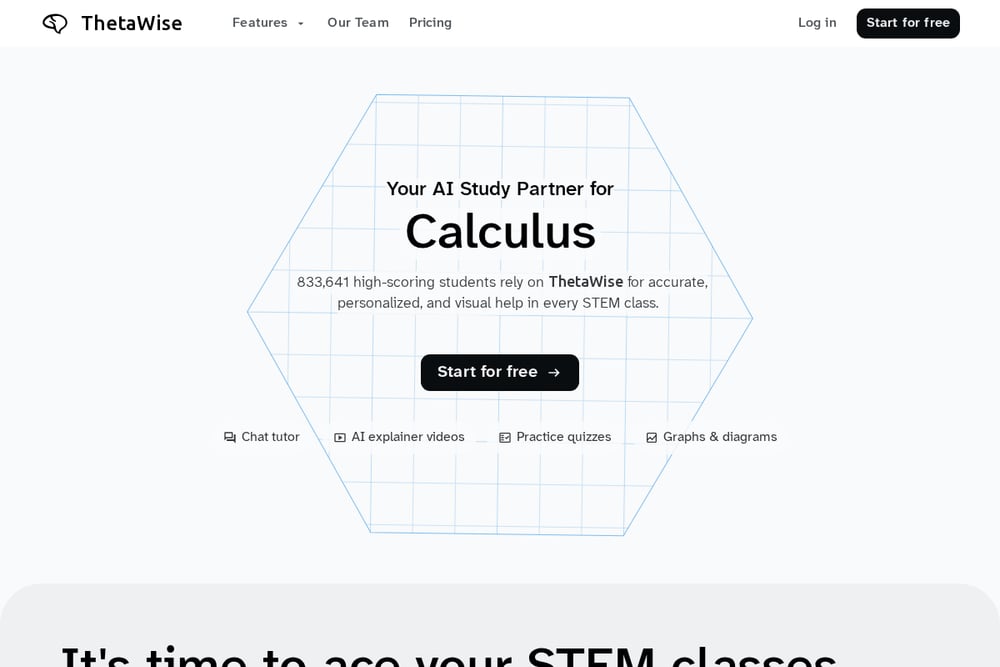 A screenshot of the ThetaWise website.
ThetaWise is a STEM-focused AI study partner with a Tutor Mode that guides you with hints and questions. It also generates explainer videos, flashcards, and practice quizzes from your course material. With over 833,000 users, it's a popular choice for calculus, physics, chemistry, and more. If your student prefers visual learning, the AI video lessons are a standout feature. Visit ThetaWise to see the tools in action.
#4 Tutor AI
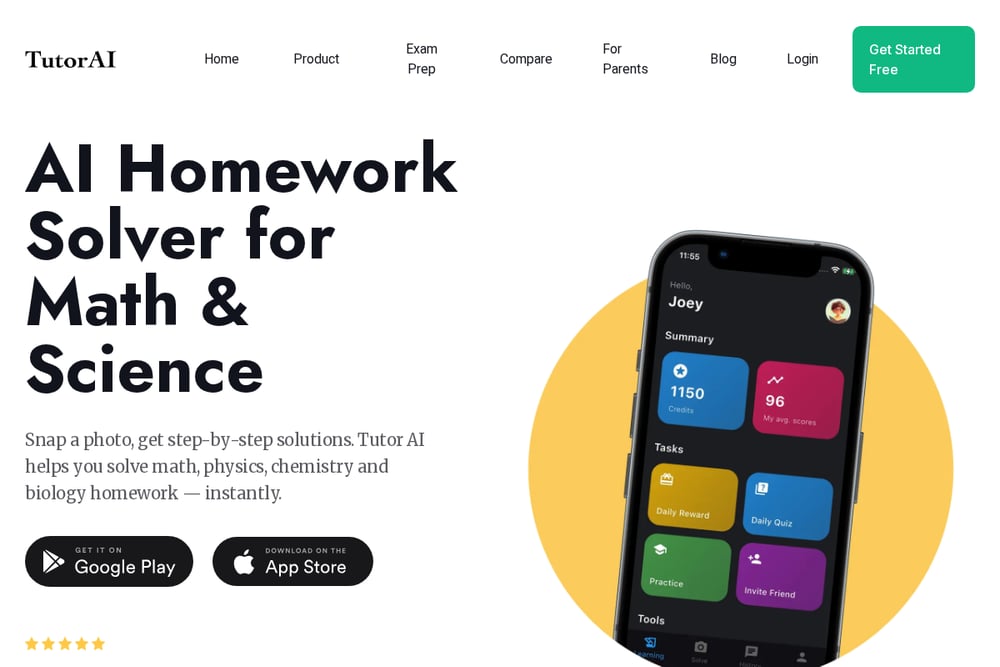 A screenshot of the Tutor AI website.
Tutor AI offers a structured approach to word problems, with a blog guide that walks students through a five-step framework. It emphasizes using AI ethically to check work and understand the 'why' behind each step. The platform includes a math solver, photo scan, and exam prep for SAT and other tests. It's a solid pick if you want a tool that teaches problem-solving rather than just providing answers. Read their guide at Tutor AI's blog.
#5 Pearson AI Tutor
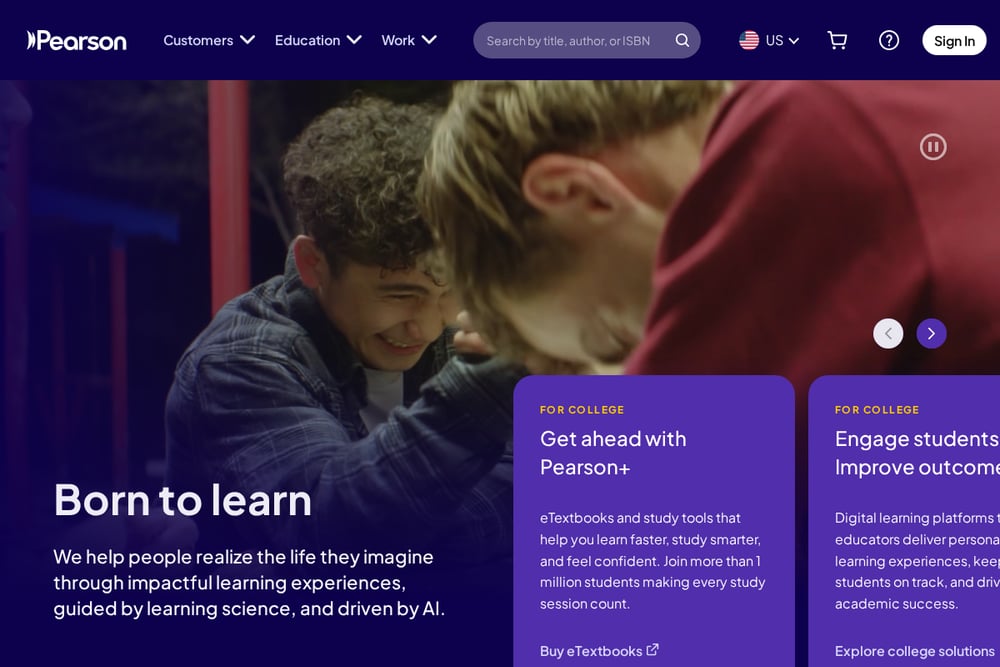 A screenshot of the Pearson AI Tutor website.
Pearson AI Tutor brings the credibility of a major education publisher to AI-powered homework help. It offers step-by-step solutions and video explanations across 41 courses, from chemistry to social sciences. The platform is integrated with Pearson's course content, so help aligns with what students are learning in class. If you trust established curriculum providers, this is a familiar name with a modern twist. Explore it at Pearson AI Tutor.
How to Choose the Right AI Tutor for Your Family
Start with your child's grade level and subjects. If you need broad coverage from VPK through high school, Paso is a strong fit. For STEM-heavy coursework, ThetaWise or Tutor AI may be better. Consider how the tool delivers help: do you want Socratic questioning, graduated hints, or video solutions? Check whether progress is tracked based on independent work—that's a key indicator of real learning. Finally, look at pricing and parent visibility. Many tools offer free tiers or trials, so you can test before committing.
Building a Weekly Learning Routine with AI
Set a consistent 15-minute daily session using your chosen tool. Start with a quick review, introduce one new concept, and end with a game or practice quiz. Use the tool's placement quiz to ensure the difficulty is right. Review progress reports weekly to celebrate independent mastery. If your child gets stuck, encourage them to use the hint system rather than asking for the answer. This routine builds habits that stick.
The Bottom Line on AI Tutoring Tools
The best AI tutor is the one that helps your child think, not just get the answer. Paso leads with its graduated hint system and mastery tracking, but each tool on this list has strengths. TutorMigo excels at Socratic math coaching, ThetaWise shines for visual STEM learners, Tutor AI offers structured problem-solving, and Pearson AI Tutor brings trusted content. Choose based on your child's needs, and watch their confidence grow.