Your consultation is only as good as what you can actually see. These five skin analysis systems help you show clients what the naked eye misses, and turn that into treatment plans they trust.
Where skin analysis is heading
Aesthetic consultations have quietly become a data business. Clients arrive informed, skeptical, and ready to compare before-and-after photos on their phones. Practitioners who can capture standardized images, surface subsurface concerns, and track change over time are winning the conversation. That is why imaging hardware and AI-assisted analysis have moved from nice-to-have to core infrastructure in clinics, med spas, and dermatology practices. The market now splits into three camps: full imaging booths, portable software-first scanners, and hybrid 3D systems. Each solves a different problem, and the right pick depends on your room, your workflow, and your clientele.
How we looked at each system
We compared these systems on imaging capability, the number and usefulness of analysis parameters, how well the software supports the consultation itself, and how progress gets tracked between visits. We also weighed workflow fit, meaning whether the hardware suits a single treatment room or a multi-site practice, plus how clearly each vendor communicates what the product actually does. Pricing transparency and support resources factored in too. No single system wins on every axis, so match the strengths to your practice.
Here is the short version before the detail. Each entry below covers what the system does, who it suits, and where it fits in a real consultation flow.
| Provider | Best For |
|---|---|
| Canfield Scientific VISIA | Established clinics wanting the category benchmark |
| ALUCIA VISION — Beyond the visible | Practitioners who want imaging and consultation reporting in one unit |
| Nova AI Skin Analyzer | Clinics that want high-resolution specs with straightforward operation |
| ScanSkinAI | Solo practitioners and boutique clinics testing the waters |
| Insight 3D X | Clinically focused practices prioritizing subsurface detail |
The five systems in detail
#1 Canfield Scientific VISIA
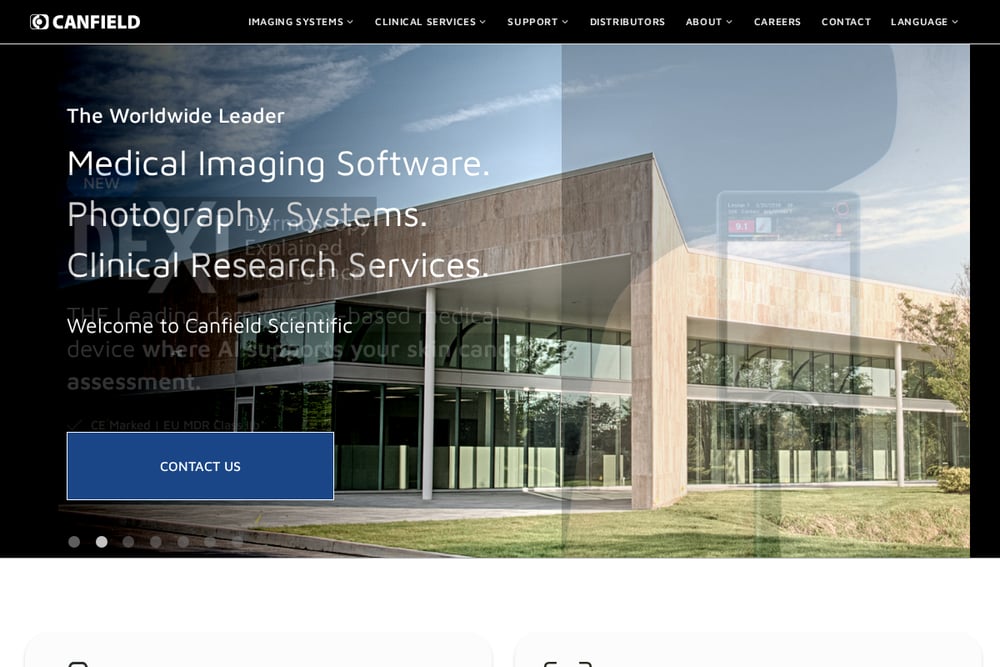 A screenshot of the Canfield Scientific VISIA website.
Canfield is the name most aesthetic practitioners encounter first, and VISIA is the reason. The platform pairs standardized facial imaging with 3D visualization tools that turn a consultation into something closer to a demonstration, which is why it shows up in so many established clinics. Canfield's broader ecosystem spans face and body imaging, dermatology, and clinical trial services, so you are buying into a mature infrastructure rather than a single device. The tradeoff is that this is a serious capital commitment aimed at practices with volume and space to match. If you want the category benchmark and can support it, start with the VISIA overview.
#2 ALUCIA VISION — Beyond the visible
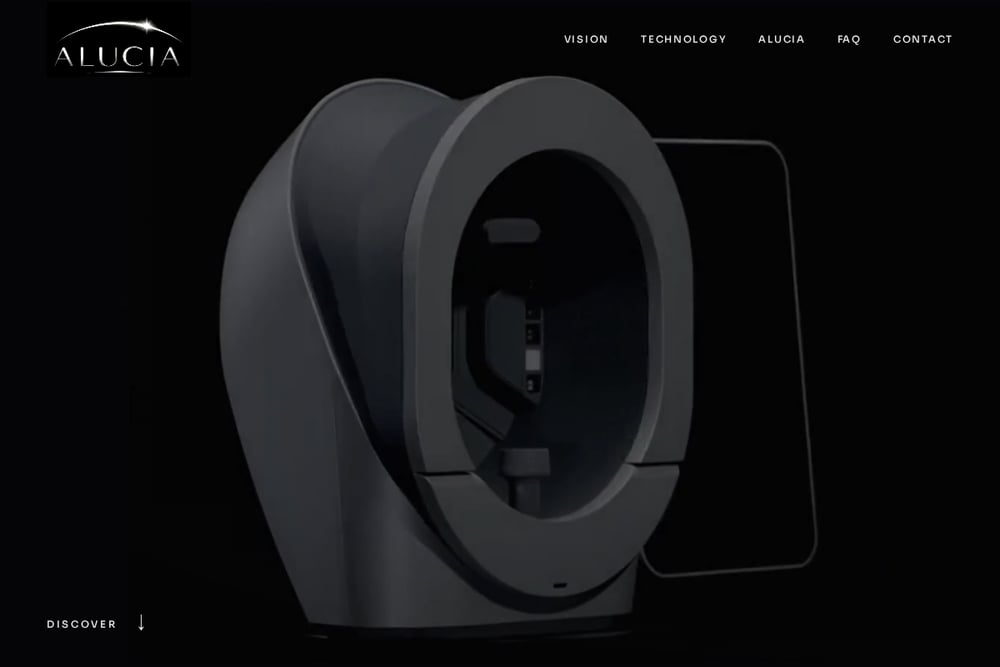 A screenshot of the ALUCIA VISION — Beyond the visible website.
ALUCIA Vision is built around a simple idea: the consultation should end with clarity, not confusion. The system captures front, left, and right views at 36 MP across eight imaging modes, including polarized, Wood's Light, UV, and red light, so you are working from multiple dimensions of the skin rather than one flat photo. Analysis organizes 17 skin indicators into four readable areas: aging, pigmentation, sensitivity, and skin quality. What stands out is the follow-through. Sessions can be compared side by side and paired with a consultation report covering skin overview, image comparison, analysis areas, and follow-up notes, which gives you something concrete to guide the next conversation. A 15.6-inch integrated Full HD display keeps the whole thing self-contained in the treatment room. Explore the technology breakdown for the full mode list.
#3 Nova AI Skin Analyzer
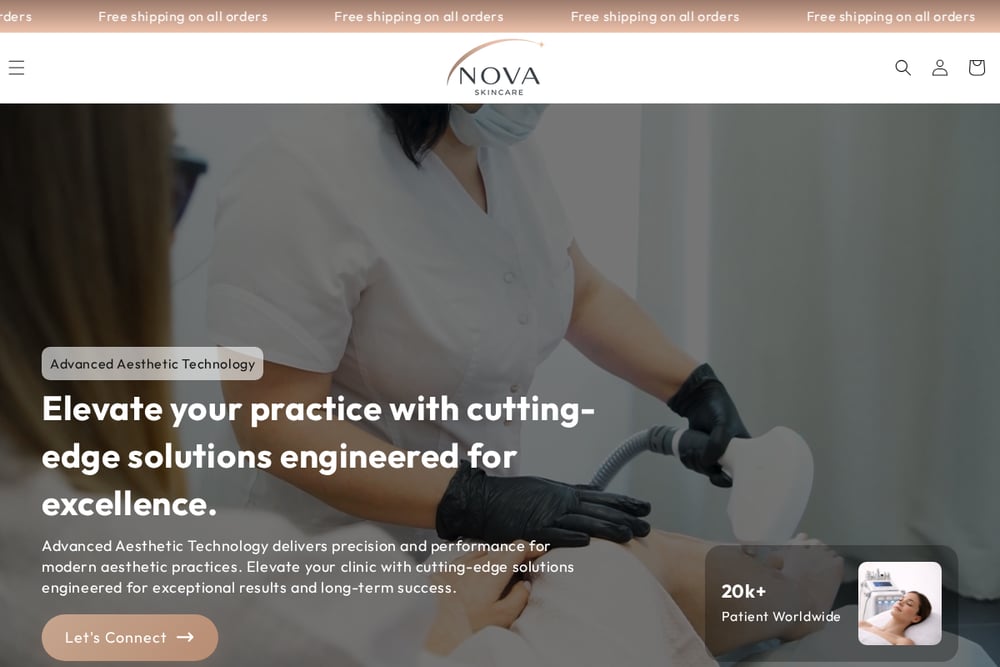 A screenshot of the Nova AI Skin Analyzer website.
Nova positions its analyzer as infrastructure rather than a gadget, and the spec sheet backs that up: 40 MP imaging, 12 spectral channels, and 12 assessed parameters, all anchored by a saved baseline for every client. The 13.3-inch FHD Android touchscreen keeps operation simple, and before-and-after comparison is baked into the workflow. Nova also publishes a buyer's guide that walks through what a professional analyzer should do and which criteria matter before you commit, which is more transparency than most vendors offer. It suits clinics that want strong imaging specs without stepping into full-booth territory. Read the buyer's guide before you shortlist.
#4 ScanSkinAI
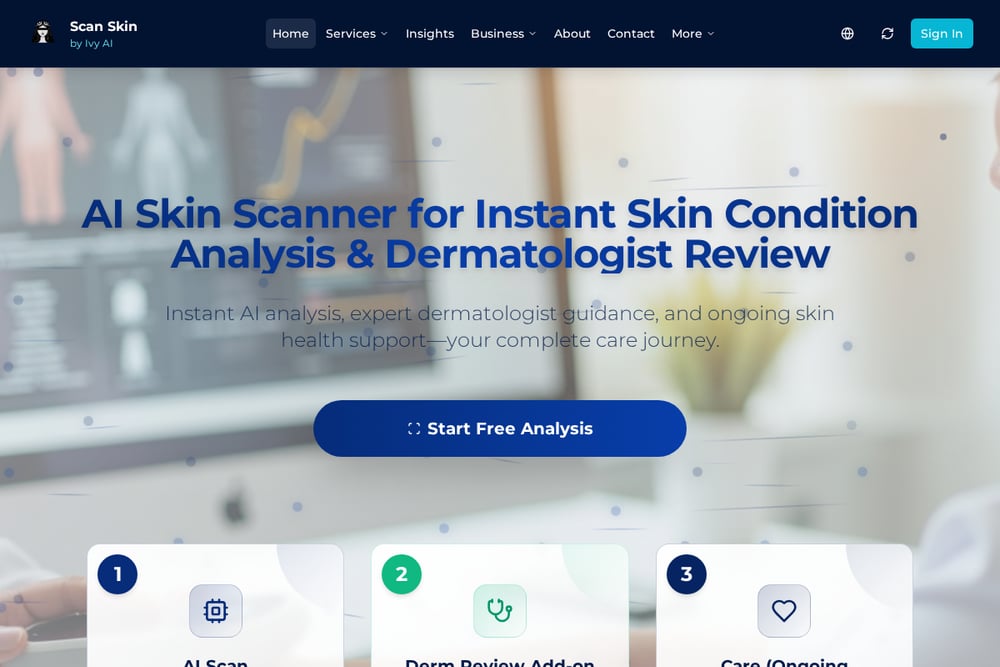 A screenshot of the ScanSkinAI website.
ScanSkinAI takes the opposite approach to everyone else on this list: no booth, no dedicated machine. You run a one-minute facial scan from a phone or iPad, simulate treatment outcomes, and send a branded consultation report to the client. At roughly US$60 per operator per year, it removes the capital barrier entirely, which makes it genuinely viable for solo practitioners and boutique clinics. The tradeoff is depth. You are not getting multi-spectral imaging hardware, so subsurface analysis is limited compared to a dedicated device. But for capturing consultation leads and looking professional from day one, it is hard to argue with the economics. It is used by independent clinics across the UK, US, Australia, and New Zealand.
#5 Insight 3D X
 A screenshot of the Insight 3D X website.
Insight 3D X leans hard into the clinical end of the spectrum. It is a high-resolution 3D spectral imaging system that captures visible and subsurface detail, combining multiple light spectrums with AI-driven analysis across concerns like sun damage, pigmentation, texture, vascularity, and hydration. AI facial recognition standardizes comparisons over time, which reduces the subjectivity that creeps into visual assessments. There is also a hygiene angle worth noting: Violeds technology disinfects the unit in under 20 seconds, a small detail that matters in a busy treatment room. It is distributed through Emergent MedTech, so your buying experience runs through a device portfolio rather than direct. Worth a look if clinical rigor is your priority.
Choosing the right fit for your room
Start with your space and your volume. A full imaging booth needs a dedicated room and steady client flow to justify the cost, while a software-first tool runs off a tablet you already own. Next, decide what you actually need to show clients. If subsurface concerns like UV damage and deep pigment drive your treatment menu, prioritize multi-spectral imaging. If your goal is a polished consultation experience and lead capture, a lighter tool may serve you better. Then check the reporting. A system that produces a clear, branded report you can hand over does more for retention than one that only stores images. Finally, ask about the baseline. Progress tracking only works if session one is captured consistently, so confirm how the system standardizes capture and comparison before you sign.
Putting analysis to work in your workflow
Imaging is the start, not the finish. Build a simple loop: capture at the first consultation, review the analysis areas with the client on screen, and save the report to their record. At the follow-up, pull up the comparison before the client sits down so the conversation opens with visible progress. Use the follow-up notes field to log what was recommended and what the client agreed to, then reference it at the next visit. If your system supports branded reports, send them the same day while the consultation is fresh. That single habit turns a one-off scan into a recurring touchpoint, and recurring touchpoints are what fill your calendar.
The bottom line
There is no universal winner here, only the right match for how you practice. Canfield sets the benchmark for established clinics with the space and budget to match. ALUCIA Vision stands out for pairing multi-mode imaging with a consultation report that carries the conversation forward. Nova delivers strong specs with unusual transparency. ScanSkinAI proves you do not need hardware to look professional, and Insight 3D X brings clinical depth for subsurface-focused practices. Pick the one that fits your room, your clients, and the story you want to tell at the chair.