
Search no longer starts with a list of links. It starts with an answer. If the models don't know your brand, your customers won't either.
The Shift From Rankings to Recognition
Buyers now open ChatGPT, Gemini, Perplexity, or Google's AI Overviews before they ever click a blue link. That changes the job of marketing. You are no longer optimizing for a position on a page. You are optimizing for whether a language model understands who you are, what you do, and whether it should cite you. A new category of consultancy has grown up around this gap, blending classic SEO with generative engine optimization, entity building, and semantic strategy. The firms below sit at that intersection. Some come from B2B SaaS roots, some from local and franchise marketing, and one built its entire methodology around semantic brand health across models.
How We Looked at These Firms
We weighed the same factors for every firm. First, service scope: does the offer cover strategy, technical structure, content, and monitoring, or just one slice? Second, model coverage: which engines do they actually name and work against, from ChatGPT and Gemini to Claude, Perplexity, Copilot, Grok, and DeepSeek? Third, methodology clarity: can you understand how they turn your brand into something a neural network interprets correctly? Fourth, fit: who is the client they are built for, whether that is B2B SaaS, local service businesses, franchises, or ecommerce. Fifth, transparency: how clearly they explain their process, audits, and reporting. Brand Semantics stood out for tying semantic health monitoring to a full LLM optimization stack. Flow Agency stood out for a bespoke B2B LLMO playbook tied to go-to-market. DP1 Design stood out for pairing AI search work with a broad web and local services bench. Gen3 Marketing stood out for connecting GEO to affiliate, influencer, and paid media. Savvy Partner stood out for vertical-specific AI search packages and a no-cost consultation entry point.
Here is the short version. Five firms, five different angles on the same problem: getting your brand recognized and cited by AI. Read the quick take, then dig into the detail that matches your situation.
| Provider | Best For |
|---|---|
| Flow Agency | B2B SaaS and service providers |
| Brand Semantics – SEO, GEO and Semantic Branding for Business | Brands that want entity authority and semantic monitoring |
| Gen3 Marketing | Ecommerce and brands wanting GEO plus performance channels |
| DP1 Design | Local and vertical businesses needing web plus AI search |
| Savvy Partner | Franchise and regional service brands |
The Five Firms in Detail
#1 Flow Agency
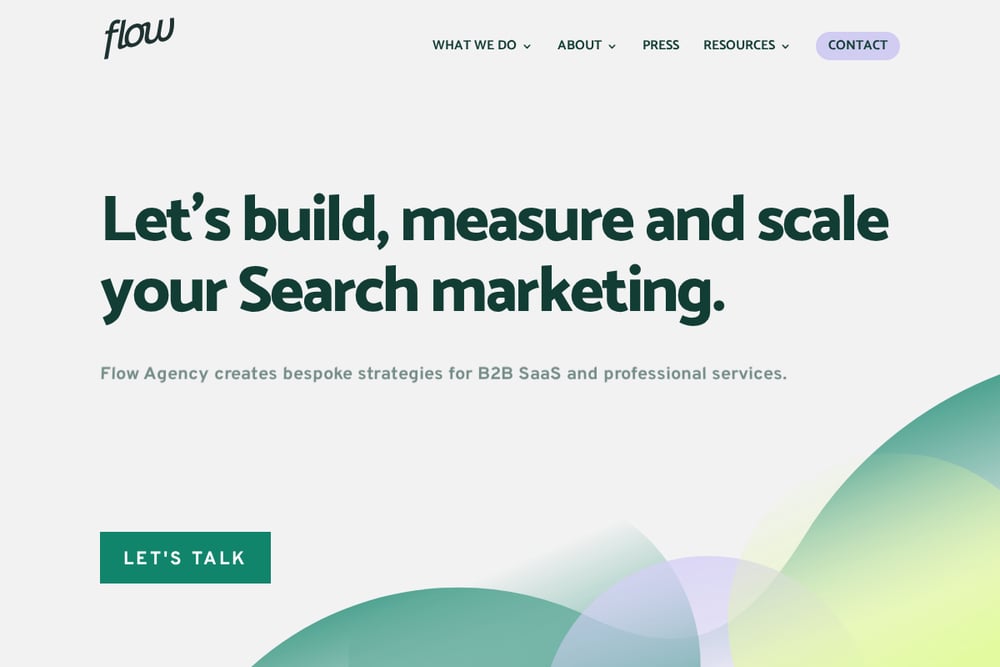 A screenshot of the Flow Agency website.
Flow Agency built its LLM optimization offer specifically for B2B SaaS and service providers, and it shows. The firm frames LLMO around your go-to-market strategy, content calendar, and messaging rather than generic keyword lists. It splits the work into capturing existing demand and generating future demand, which maps cleanly to how B2B buyers research inside ChatGPT and Perplexity. The team says it has helped more than 100 B2B startups and service providers scale organic visibility and SEO-influenced revenue. If you sell complex software to a discerning buyer, this is a natural starting conversation. See the service page at Flow Agency's LLM optimization offering.
#2 Brand Semantics – SEO, GEO and Semantic Branding for Business
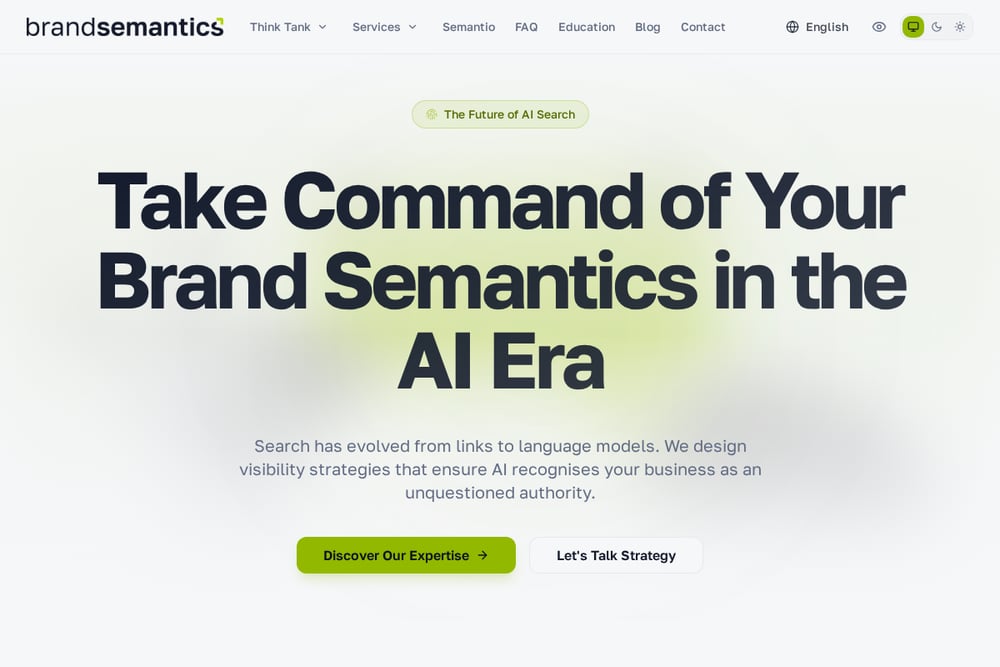 A screenshot of the Brand Semantics website.
Brand Semantics treats AI visibility as a semantic problem, not a keyword problem. The boutique consultancy maps your brand's digital footprint the way neural networks process it, then optimizes data structures so models can understand, categorize, and cite you. Its stack covers LLM optimization, semantic health monitoring, SEO and GEO visibility, semantic strategy, and social and influencer semantics. The semantic health piece is the differentiator: continuous monitoring of how Google AI Overviews, ChatGPT, Perplexity, and other models describe your brand, with protection against semantic drift. It names OpenAI ChatGPT, Google Gemini, Anthropic Claude, Perplexity, Microsoft Copilot, xAI Grok, and DeepSeek as target engines. Explore the methodology at Brand Semantics.
#3 Gen3 Marketing
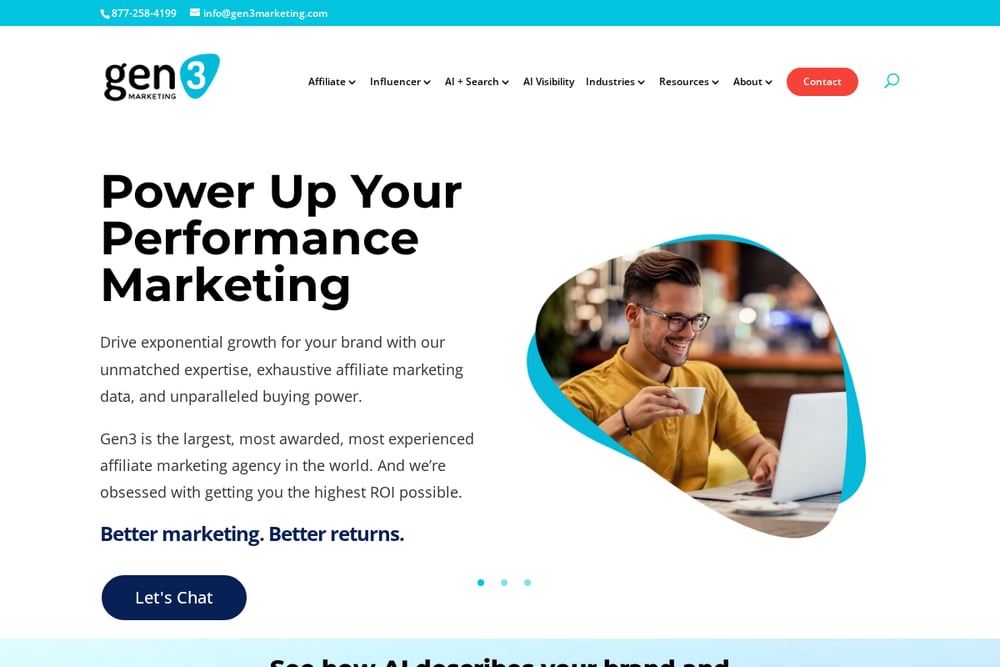 A screenshot of the Gen3 Marketing website.
Gen3 Marketing brings a performance marketing pedigree to generative search. Its GEO and AI SEO services target visibility in Google AI Overviews, AI Mode, ChatGPT, Gemini, and Perplexity, and it grounds the work in modern SEO fundamentals rather than treating AI as a replacement for them. What sets the firm apart is the surrounding bench: affiliate, influencer, performance PR, and paid media all sit under one roof. That means your AI search visibility can be reinforced by the same brand mentions and publisher relationships that feed model training and retrieval. The firm publishes research and case studies to back its approach. Start with the GEO and AI SEO services page.
#4 DP1 Design
 A screenshot of the DP1 Design website.
DP1 Design has been building web and search programs since 2001, and it has layered AI search optimization on top of that foundation. The offer is unusually granular: GEO, answer engine optimization, LLM SEO, and AI content strategy each get their own track, plus a free AI visibility audit as an entry point. Because the firm also handles website design, hosting, local SEO, grid rank tracking, and reputation management, you can fix the technical and content foundations in the same place you optimize for models. It serves a long list of verticals, from law firms and healthcare to contractors and restaurants. See the AI search optimization services for the full breakdown.
#5 Savvy Partner
Savvy Partner packages AI search optimization for specific industries rather than selling a generic retainer. Its specialties span construction, government, healthcare, hotel, professional services, dental, and franchise marketing, and AI search sits alongside branding, website design, advertising, and video production. The firm leads with a blunt warning: Google's AI Mode has already diverted a meaningful share of search traffic, and if you are not optimizing for it you are losing ground. It offers a no-cost consultation and a proposal request as low-friction ways to start. For a franchise or a regional service brand, that vertical focus can shorten the learning curve. Details are on the AI search optimization page.
How to Pick the Right Partner
Start with your buyer, not the vendor's logo wall. If you sell B2B software, you need a firm that understands long sales cycles and technical messaging, which points toward a bespoke LLMO playbook. If you run a local or multi-location business, you need someone who can fix your site structure, local citations, and model visibility together. If you are an ecommerce brand, look for a partner who can connect AI search to affiliate and influencer signals. Then ask three questions in the first call. Which models do you monitor, and how often? How do you measure whether a model describes my brand accurately? What does the first 90 days look like, and what will I own at the end? A firm that can answer all three with specifics is worth a second meeting. A firm that only talks about keywords is not selling AI search at all.
Where Automation Fits
You can automate the monitoring layer yourself while the strategy work runs in parallel. Set up a weekly prompt set that asks each major model the same questions your buyers ask, and log the answers in a shared sheet. Track whether your brand appears, how it is described, and which competitors show up beside you. Pair that with alerts on your brand mentions across review sites, forums, and press, since those sources feed model answers. Then route anything that looks like semantic drift, a wrong claim or a stale description, to your content team for a fix. The consultancies above do this at depth, but a lightweight version keeps you honest between engagements and gives you real data to bring to the table.
The Bottom Line
AI search visibility is not a one-time project. Models retrain, answers shift, and your brand's semantic footprint keeps moving. The right partner is the one whose methodology you can actually follow and whose reporting tells you the truth about how machines see you. Match the firm to your buyer type, insist on model-level monitoring, and keep your own lightweight tracking running. Do that, and you stop chasing algorithms and start building authority that holds up wherever your customers ask their next question.