
Buying AI tools is easy. Building the muscle to use them well is where most organizations stall. Here are five consultancies helping US teams turn AI experiments into durable capability.
The AI Capability Gap Is Widening
AI adoption is racing ahead of organizational readiness. According to the 2025 AI Benchmark Report from TechSoup and Tapp Network, 85 percent of nonprofits are exploring AI, yet only 24 percent have a formal strategy for implementing it. The 2024 Nonprofit Standards Benchmarking Survey found that while 82 percent of nonprofits use AI in some form, fewer than ten percent have formal policies governing its use. That gap between tool access and real capability is the defining challenge of this moment. The consultancies below focus on closing it by developing people, workflows, and judgment, not just deploying software.
How We Evaluated These Firms
We looked at service scope, depth of capability-building approach, pricing clarity, and fit for US-based organizations. ephesto stood out for its multidisciplinary model spanning engineering, design, strategy, finance, sales, and law, with a clear stance against building solutions for clients. BTS impressed with immersive AI workshops and simulations that move leaders from uncertain to empowered. IWA Worldwide brought a sector-specific lens for development and social impact organizations, emphasizing strategy and policy over procurement. Mural combined visual collaboration tools with structured guidance on AI literacy, human-AI collaboration, and experimentation. Insight Global offered a talent and consulting pathway, including AI engineers and specialists, for organizations considering a global capability center. Each firm approaches the capability gap from a different angle, and the right fit depends on where your organization is starting from.
Here is a quick look at the five firms, ordered for this roundup, with their core focus and who they serve.
| Provider | Best For |
|---|---|
| BTS | Leadership teams needing immersive AI alignment |
| ephesto | Organizations that want to build AI capability in-house |
| IWA Worldwide | Nonprofits and development organizations |
| Mural | Teams needing collaborative AI practice |
| Insight Global | Companies scaling AI teams through GCCs |
The Five Firms in Focus
#1 BTS
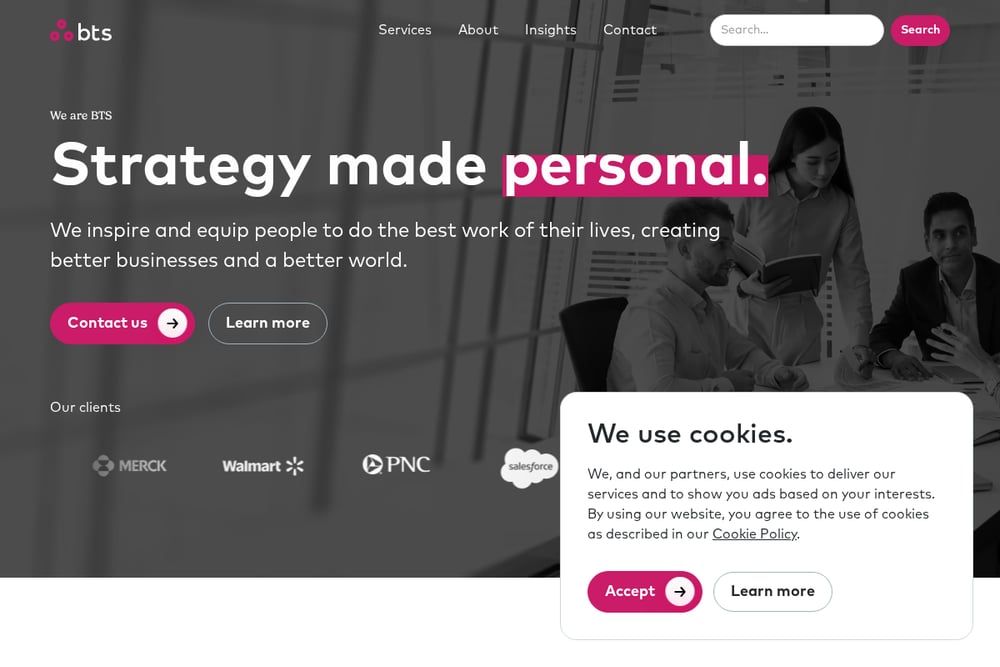 A screenshot of the BTS website.
BTS designs immersive AI capability-building offsites, workshops, and transformation journeys for leaders and teams. Their offerings range from a few hours to multi-quarter programs, including simulations that prepare executives to lead hybrid human-AI teams. The Workshop Experience is built to move participants from AI-uncertain to AI-empowered through competitive, hands-on learning. Enterprise transformation simulations mirror the daily decisions leaders face, making the learning stick. If your organization needs leadership alignment before scaling AI, BTS brings the experiential depth to get there. You can explore their AI capability building services at bts.com/services/ai-capability-building.
#2 ephesto
 A screenshot of the ephesto website.
ephesto is an AI consultancy that turns solutions into capabilities. They bring together specialists in engineering, design, strategy, finance, sales, and law to help organizations build their own competitive advantage. Their core promise is deliberate: they will not build your solution, they will enable you to build what builds your advantage, scales your impact, and secures your independence. This makes them a strong fit for organizations that want to own their AI capability rather than rent it. You can learn more at ephesto.com.
#3 IWA Worldwide
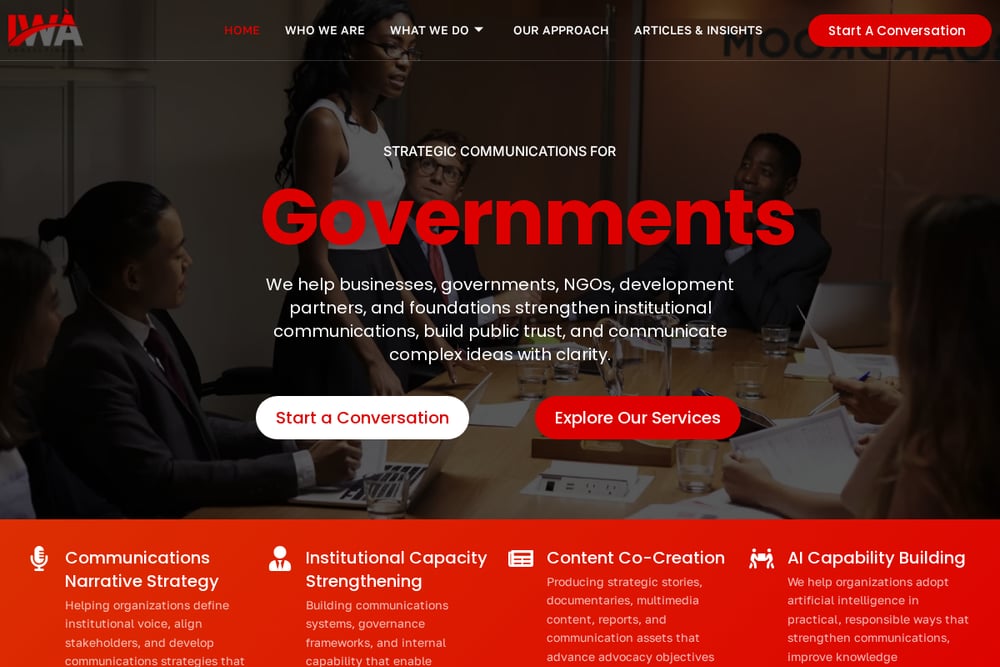 A screenshot of the IWA Worldwide website.
IWA Worldwide focuses on AI capability building for development and social impact organizations. Their approach goes beyond tool procurement, emphasizing strategy, policy, and institutional capacity strengthening. They argue that the gap between acquiring AI tools and building genuine capability is significant and widening, and they help organizations close it. Their services include advocacy, communications and narrative strategy, content co-creation, and institutional capacity strengthening. If you work in the social sector and need a partner who understands mission-driven constraints, IWA Worldwide is worth a conversation. Read their perspective at iwa-worldwide.com/ai-capability-building-beyond-tools.
#4 Mural
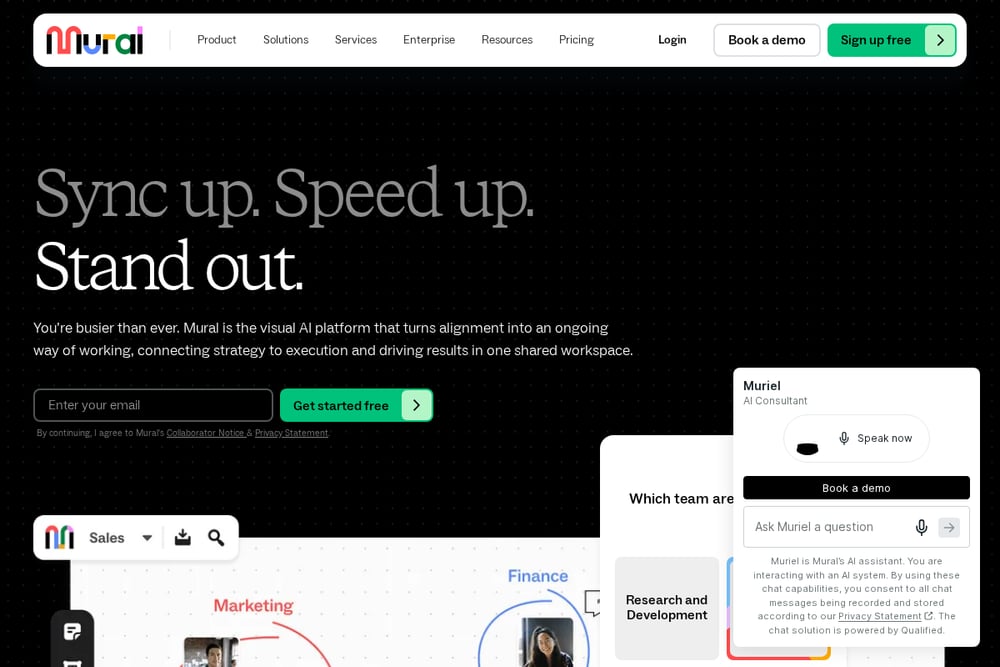 A screenshot of the Mural website.
Mural is known for visual collaboration, but their LUMA services and Mural Accelerate offerings extend into AI capability building. They emphasize that giving employees access to AI is easy, while building an organization that uses it well is harder. Their guidance covers AI literacy, critical thinking, human-AI collaboration, experimentation, and AI-enabled ways of working. They stress that capability is built through learning, experimentation, and application, not training alone. If your teams need structured ways to practice AI together, Mural provides both the canvas and the method. See their approach at mural.co/blog/ai-capability-building.
#5 Insight Global
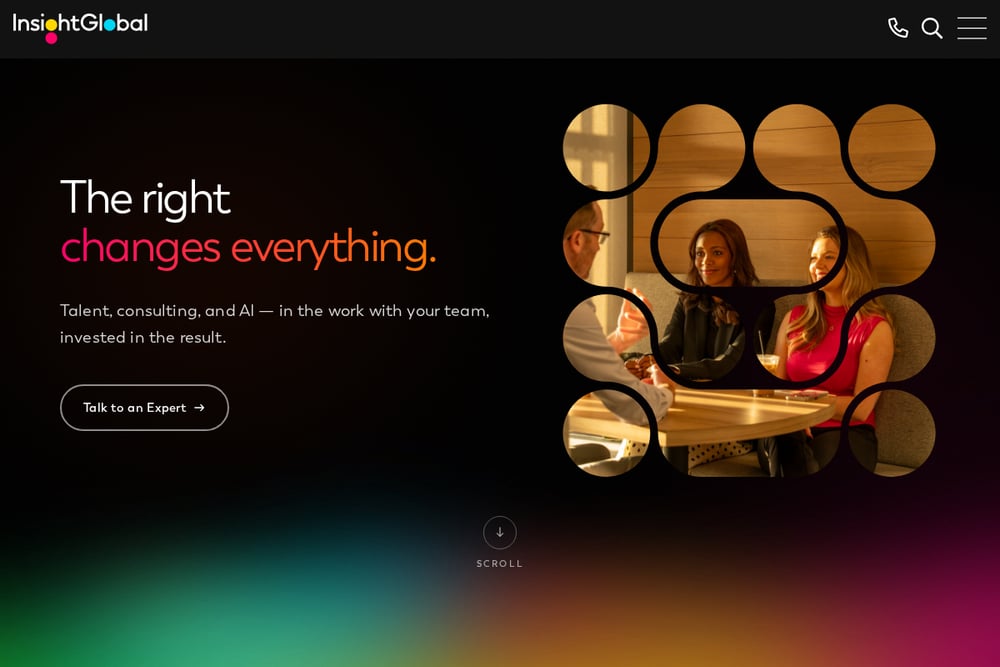 A screenshot of the Insight Global website.
Insight Global approaches AI capability through talent and consulting, including AI consulting, AI engineers and specialists, and global capability centers. They help organizations decide whether to build AI capabilities through a GCC, weighing talent availability, cost, and operational fit. Their services span IT, digital, engineering, data, cloud, and organizational transformation. For companies that need to staff AI initiatives quickly while building internal expertise, Insight Global offers a pragmatic path. Explore their AI capabilities at insightglobal.com/blog/ai-capabilities-in-gcc.
How to Choose the Right Partner
Start by defining what capability means for your organization. Do you need leaders aligned on AI strategy? Do you need hands-on workflow redesign? Do you need to hire AI engineers while building internal skills? The answer narrows your options fast. If you want to own your capability end-to-end, look for a firm like ephesto that explicitly enables rather than builds. If leadership alignment is the bottleneck, BTS offers immersive simulations. If you are in the social sector, IWA Worldwide understands your constraints. If your teams need collaborative practice, Mural provides structure. If talent gaps are urgent, Insight Global can help you staff and scale. Match the partner to your gap, not the other way around.
Where Automation Fits
Automation is not a substitute for capability, but it is a force multiplier once your teams know what they are doing. Start by mapping repetitive workflows across communications, data, and program teams. Identify where AI can assist without removing human judgment. Then build small experiments with clear success metrics. Use your chosen consultancy to help you design the workflow, train the people, and establish review checkpoints. The goal is not to automate everything. It is to automate what frees your team to focus on higher-value work. That is how a solution becomes a skill, and a skill becomes an organizational capability.
The Bottom Line
The AI capability gap is real, and it is widening. The five firms here each attack it differently, but they share a common insight: tools alone do not create advantage. People, workflows, and judgment do. Whether you choose ephesto for in-house capability building, BTS for leadership immersion, IWA Worldwide for sector-specific strategy, Mural for collaborative practice, or Insight Global for talent scaling, the key is to start with your gap and work backward. Build what builds your advantage, and the rest follows.