You have AI subscriptions, a backlog of tasks, and no clear way to prove any of it shipped. These five services help you close that gap.
The state of AI agent operations
AI agents moved from demo to production fast, and the tooling around them is still catching up. Teams now juggle multiple model subscriptions, scattered integrations, and a nagging question: did the agent actually finish the job? Platforms like Make pitch transparent agents across thousands of apps, while governance players like Gravitee and Boomi focus on control, cost limits, and human approval. The gap in the middle is operations. Someone has to set the agents up, pace the work across quotas, catch stalls, and verify output against what shipped. That is where managed agent operations services come in, and it is the lane SatchelSoft is building in with its own agent factory as the proof.
How we evaluated these services
We looked at the same factors for every entry. First, service scope: does the provider build, run, and manage agents, or only hand you a platform? Second, proof of work: can they show that agent output actually reached production, not just that tasks were marked done? Third, integration depth: how well do agents connect to the tools you already use? Fourth, governance and human approval: who signs off on spend, publishing, and production changes? Fifth, pricing clarity and fit for a US-based team. MindStudio stands out for a no-code visual builder with a large template library. Make stands out for breadth of app integrations and observability. Gravitee stands out for agent security and cost control. Boomi stands out for enterprise data and governance. SatchelSoft stands out for hands-on setup, quota pacing, and shipped-output verification backed by published factory metrics.
Here is the short version. Each entry below plays a different role in your agent stack, so match the service to the job you need done.
| Provider | Best For |
|---|---|
| MindStudio | Teams that want to build agents themselves without code |
| AI agents, set up and run for you | SatchelSoft | Companies that want agents run and verified for them |
| Make | Teams already automating workflows across many apps |
| Gravitee | Security and platform teams governing agent access |
| Boomi | Enterprises with complex data and compliance needs |
The five services in detail
#1 MindStudio
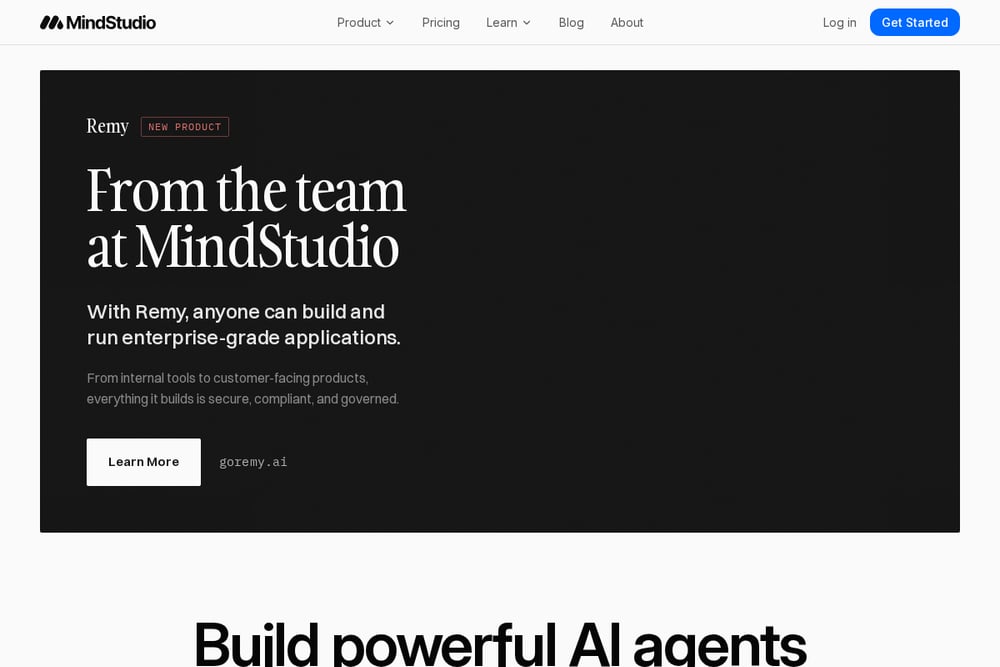 A screenshot of the MindStudio website.
MindStudio gives you a visual builder for AI agents with no coding required, and it is extensible with code when you need it. The platform claims over 400,000 agents deployed, 200+ models, and 1,000+ pre-built integrations, with most builds taking 15 minutes to an hour. It is a strong fit if your team wants to own the build and iterate quickly on templates. You get speed and self-service, but the operational burden of running and verifying agents stays with you. See the MindStudio platform for the full capability list.
#2 AI agents, set up and run for you | SatchelSoft
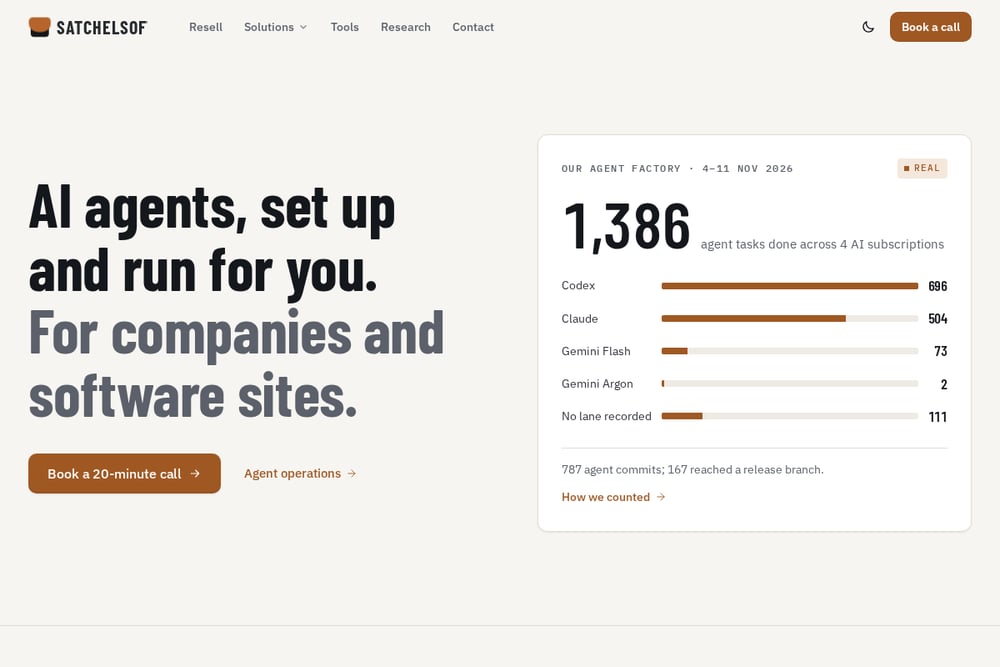 A screenshot of the SatchelSoft website.
SatchelSoft does the part most platforms leave to you: it sets up, runs, and manages AI agents on the same tooling it uses for its own agent factory. Agents connect to the tools you already use, with a person approving spend, publishing, and production. Work is spread across your AI subscriptions and paced so each reset gets used, and every done is checked against what actually shipped. The proof is public: 1,386 agent tasks across four subscriptions in one week, 787 agent commits, and 167 reaching a release branch. It also offers a paid assessment of one agent workflow you already run, which is a low-risk way to start. Visit SatchelSoft to book a 20-minute call.
#3 Make
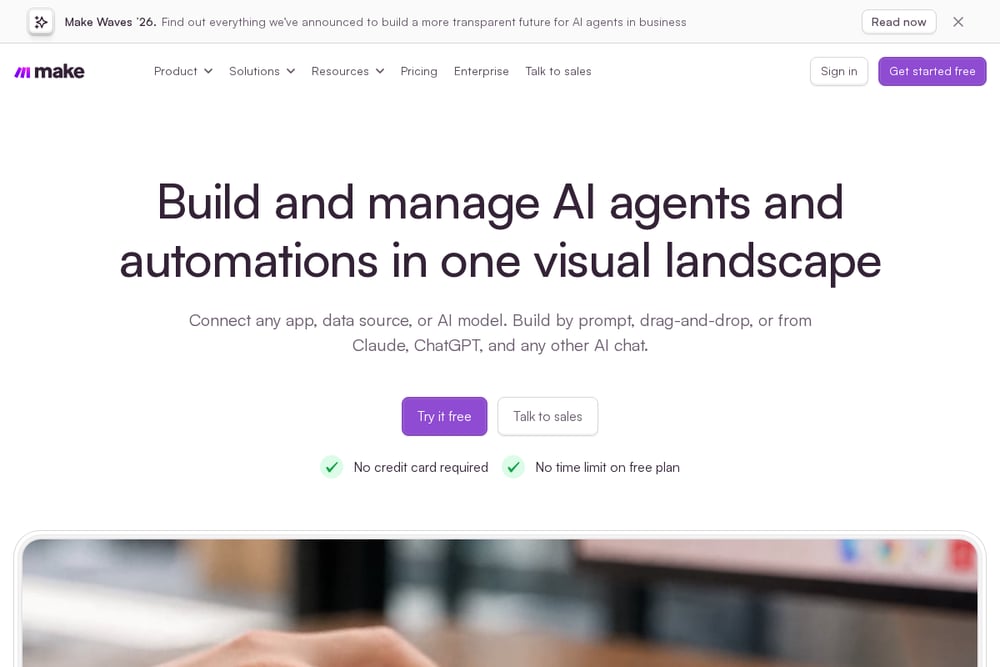 A screenshot of the Make website.
Make is an automation platform that now puts AI agents on top of its workflow engine, with connections to thousands of applications. Its pitch is transparency: you can see what agents do across your tech stack, monitor your landscape, and keep enterprise controls in place. The MCP server lets your AI take real business actions securely, and the agent library gives you ready-to-deploy starting points. It suits teams already living in no-code automation who want agents woven into existing workflows. Explore the Make AI agents page for the integration details.
#4 Gravitee
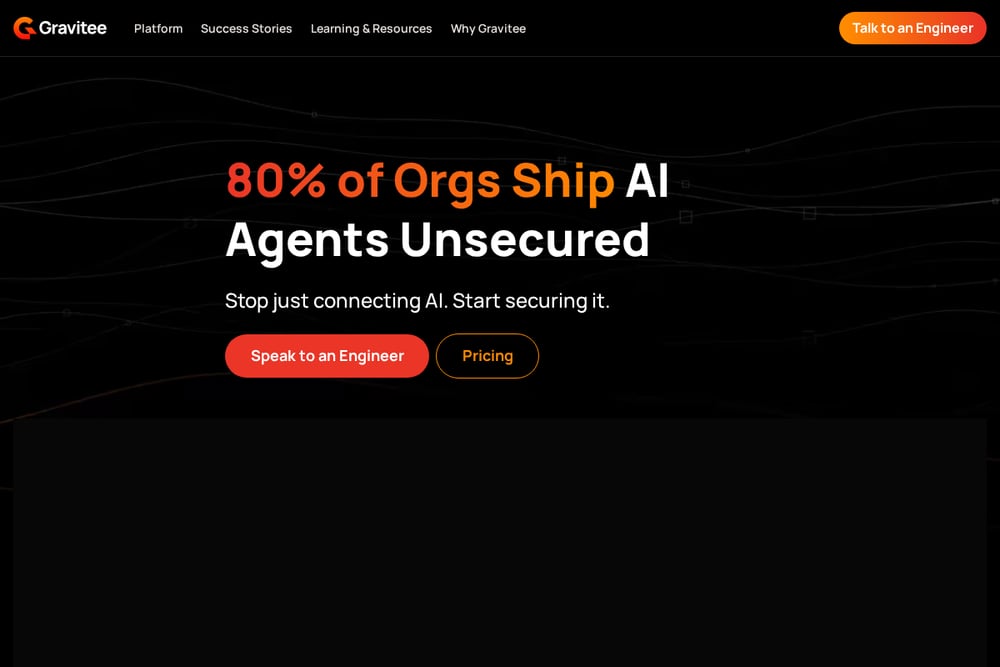 A screenshot of the Gravitee website.
Gravitee approaches agent management from the control plane side, securing and governing agents, APIs, and event streams in one place. Its agent management suite includes an AI gateway for routing agent traffic, an AI catalog of approved agents and tools, security checks on what agents can do, and cost controls with spend limits by team. Human-in-the-loop approval for risky agent actions is built in, along with guardian agents that watch other agents. This is the pick when compliance and access control matter more than hands-on setup. Read the architect's guide for the full picture.
#5 Boomi
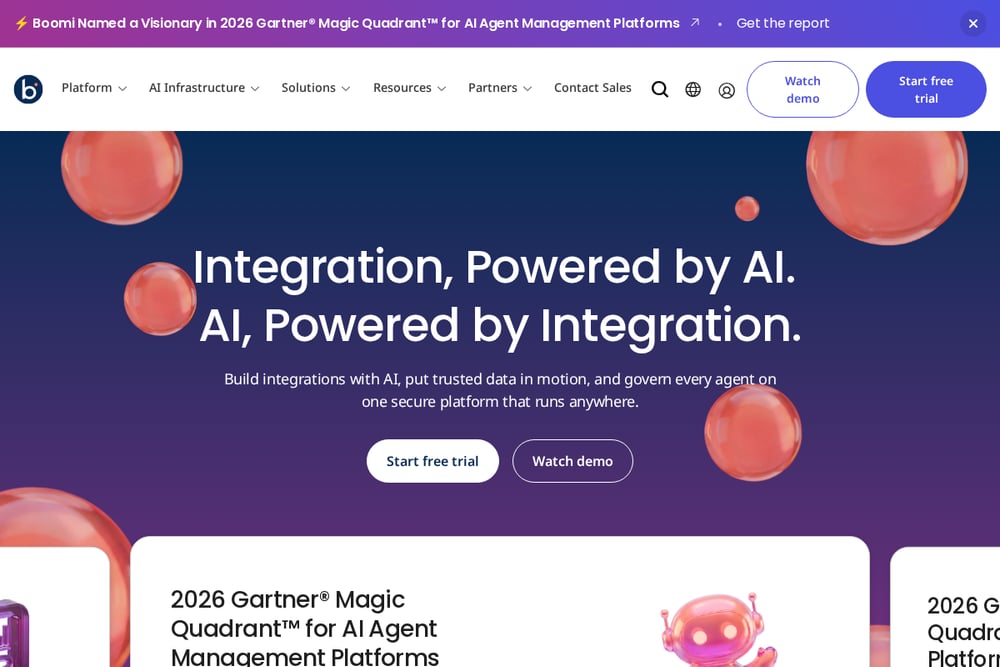 A screenshot of the Boomi website.
Boomi brings enterprise integration muscle to agent management, with an agent control plane for governing any agent, model, or data source. Agentstudio lets you build, govern, and orchestrate agents, while Boomi Connect gives AI governed access to over 1,000 enterprise applications. Its data layer, including knowledge hubs and agent context, grounds agents in governed retrieval rather than loose documents. With more than 30,000 customers, it is built for organizations with complex systems and strict compliance needs. The Boomi guide to AI agent management covers the architecture in depth.
How to choose the right fit
Start with one question: do you want to build agents or have them run for you? If your team has engineering time and wants control, a builder like MindStudio or an automation platform like Make gets you moving fast. If governance is the priority, Gravitee and Boomi give you the control plane, cost limits, and approval flows that auditors ask about. If you want the work handled end to end, including quota pacing and proof that output shipped, a managed operations service like SatchelSoft fits better. Then check integration depth against your actual stack, confirm who approves spend and publishing, and ask for evidence of shipped output, not just task counts. Finally, start small. A single workflow assessment tells you more than a demo.
A simple automation workflow to start with
Pick one repetitive workflow you already run, such as triaging inbound tickets or drafting release notes. Connect the agent to the tools involved, with a human approving anything that publishes or spends. Route the work across your model subscriptions so no weekly quota goes unused. Log every task and check each done against what actually shipped, whether that is a merged commit, a sent email, or a published page. When a task stalls, capture why and restart it rather than letting the project freeze. Review the log weekly, cut what is not producing shipped output, and expand only what proves itself.
The bottom line
The agent platform market is crowded, but the operational gap is real. Builders give you speed, governance tools give you control, and managed services give you a finished job with evidence behind it. SatchelSoft is worth a look because it publishes its own factory numbers and sells a small assessment before asking for a bigger commitment. Pair that with the right platform for your stack, and you stop guessing whether your agents are working. You start knowing.