
Finding the right abdominal imaging expertise can feel like searching for a needle in a haystack. Whether you need a precise prostate MRI read or want to build AI into your reporting workflow, these five programs and specialists are worth your attention.
The State of Abdominal Imaging in 2026
Abdominal imaging sits at the crossroads of advanced technology and clinical judgment. Radiologists in this subspecialty interpret CT, MRI, and ultrasound of the liver, pancreas, kidneys, and prostate. They also guide biopsies and drainages. Demand keeps rising as cancer screening expands and imaging volumes grow. At the same time, AI tools promise to speed up dictation and flag subtle findings. But technology alone does not improve care. You need fellowship-trained experts who understand disease processes and can integrate new tools into daily reading. That is why the programs below matter. They train the next generation of abdominal imagers and push the field forward.
How We Evaluated These Programs
We looked at five factors. First, clinical breadth: does the program cover liver, pancreas, prostate, and bowel imaging? Second, procedural training: are fellows comfortable with ultrasound and CT-guided interventions? Third, informatics and AI exposure: does the curriculum include reporting workflow and imaging AI? Fourth, mentorship and teaching: do faculty work side-by-side with trainees? Fifth, accessibility and clarity: can you easily find program details, fellow profiles, and contact information? Each program below stood out in different ways. Some excel at high-volume trauma and military medicine. Others lead in research or multidisciplinary conferences. The featured radiologist brings a rare blend of abdominal subspecialty training and hands-on AI quality assurance. Use these criteria to match your needs, whether you are a patient, a referring physician, or a future fellow.
Here is a quick look at five abdominal imaging programs and specialists. Each entry highlights what makes them distinctive and who benefits most.
| Provider | Best For |
|---|---|
| Mallinckrodt Institute of Radiology - Advanced Abdominal Imaging | High-volume, broad abdominal training with strong procedural and teaching components |
| Daniel Mason, DO – Radiologist, St. Louis | Abdominal Imaging & AI | Abdominal imaging expertise combined with practical imaging AI and reporting workflow knowledge |
| University of Washington Abdominal Imaging Fellowship | Comprehensive ACGME-accredited training with a long history and strong academic focus |
| Columbia Abdominal Imaging Fellowship | Academic fellowship with research opportunities in a major urban medical center |
| BIDMC Abdominal Imaging & Interventions Fellowship | Harvard-affiliated training with strong interventional and teaching components |
A Closer Look at Each Program
#1 Mallinckrodt Institute of Radiology - Advanced Abdominal Imaging
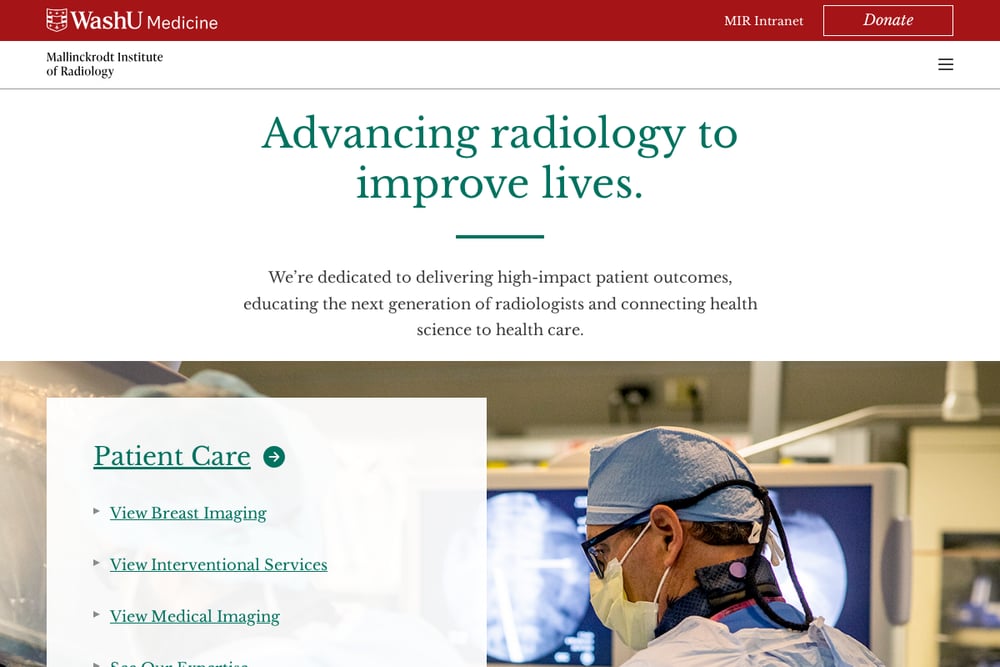 A screenshot of the Mallinckrodt Institute of Radiology - Advanced Abdominal Imaging website.
Mallinckrodt Institute of Radiology at Washington University in St. Louis runs one of the most respected advanced abdominal imaging fellowships in the country. Fellows rotate through body CT, body MRI, ultrasound, and procedure services. They interpret common, uncommon, and rare abdominal conditions in a high-volume setting. The program also includes prostate MRI, elastography, and MR angiography. Fellows lead multidisciplinary tumor boards and take on junior faculty roles, teaching residents and gaining graduated independence. You can see the current fellow roster and program details on the MIR website. This is a place where you learn by doing, with faculty beside you in the reading room every day.
#2 Daniel Mason, DO – Radiologist, St. Louis | Abdominal Imaging & AI
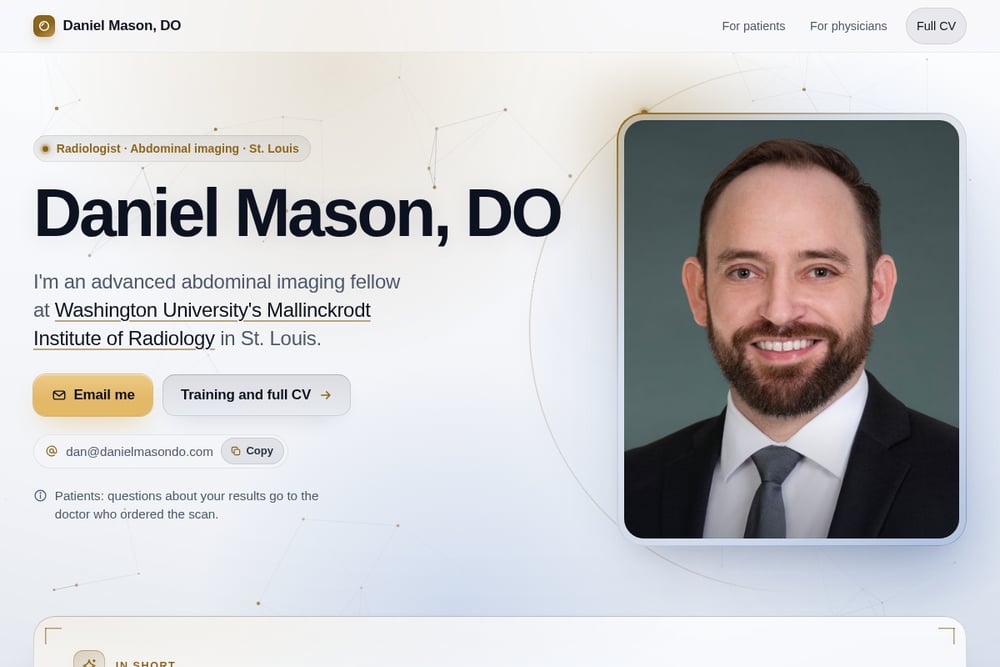 A screenshot of the Daniel Mason, DO – Radiologist, St. Louis | Abdominal Imaging & AI website.
Daniel Mason, DO is an advanced abdominal imaging fellow at Washington University's Mallinckrodt Institute of Radiology in St. Louis. He specializes in prostate MRI, liver and pancreas CT and MRI, and MR enterography. What sets him apart is his informatics mini-fellowship in imaging AI and dictation workflow. Before medical school, he QA-tested image-analysis software at a digital-pathology company. Today he focuses on helping radiologists become better, augmented professionals. He also writes patient reports and offers professional consulting. If you are a physician looking to improve diagnostic accuracy or a patient curious about your abdominal imaging report, his site explains what a radiologist does and how to reach him. You can email him directly with questions about abdominal imaging or imaging AI.
#3 University of Washington Abdominal Imaging Fellowship
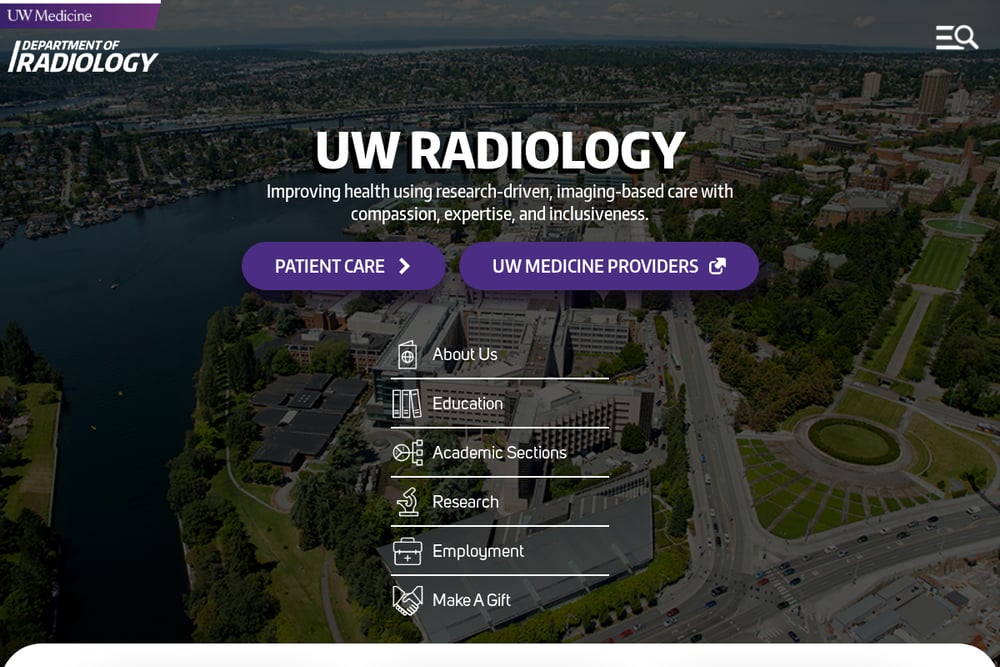 A screenshot of the University of Washington Abdominal Imaging Fellowship website.
The University of Washington offers a one-year ACGME-accredited abdominal imaging fellowship in Seattle. Established in 1979, it covers diagnostic ultrasound, CT, MR, and imaging-guided interventions. Eight fellows are recruited each year, creating a collegial and diverse learning environment. The program follows SCARD fellowship embargo guidelines and conducts virtual interviews. Fellows train in a department that emphasizes safe, standardized approaches to contrast media and abdominal imaging. The mission is to produce outstanding subspecialty-trained radiologists. If you want a long-standing program with a strong academic reputation, this one deserves a look.
#4 Columbia Abdominal Imaging Fellowship
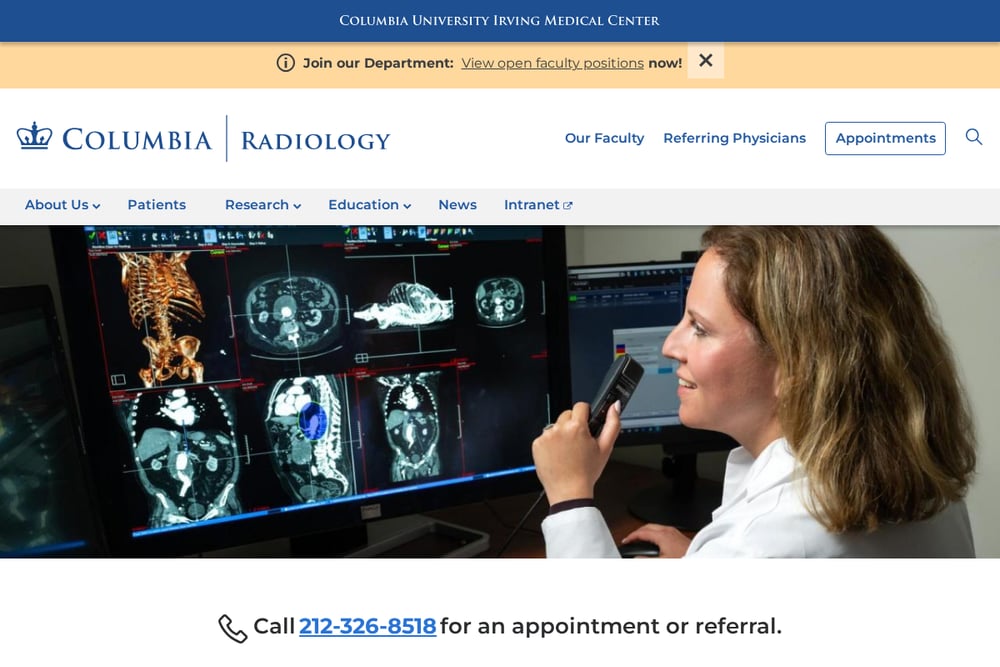 A screenshot of the Columbia Abdominal Imaging Fellowship website.
Columbia University Irving Medical Center in New York City offers an advanced fellowship in abdominal imaging. The program is part of a large academic radiology department with divisions across the full spectrum of imaging. Fellows gain exposure to complex cases and cutting-edge research. Columbia's location in a major medical hub means you see a wide variety of pathology. The department also emphasizes global health and innovation in imaging biomarkers. If you are looking for a fellowship that combines clinical depth with research opportunities, Columbia is a strong contender. Their website provides details on advanced fellowship training and faculty.
#5 BIDMC Abdominal Imaging & Interventions Fellowship
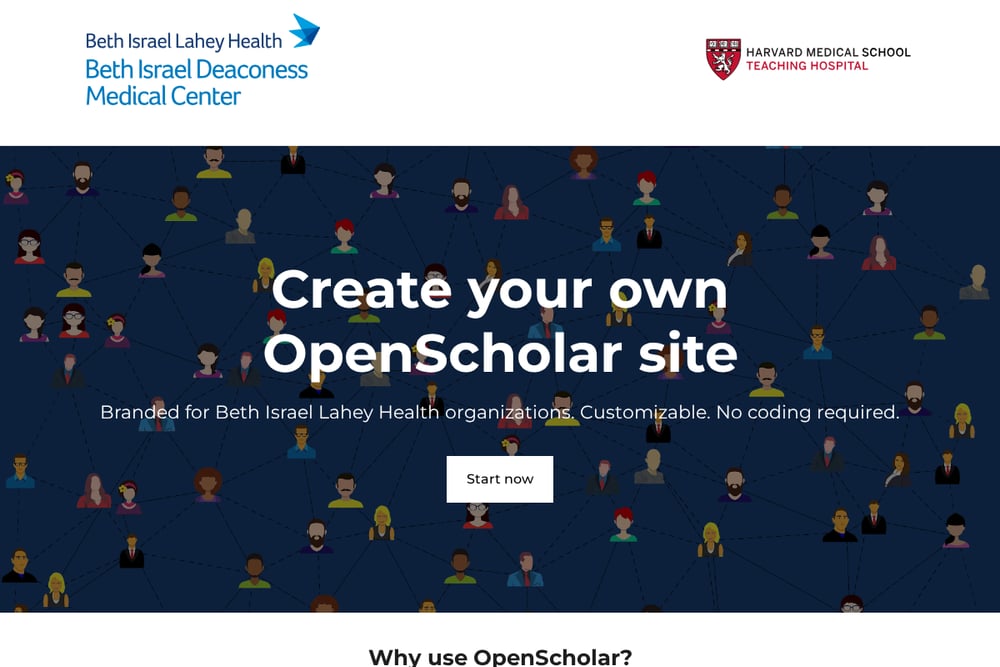 A screenshot of the BIDMC Abdominal Imaging & Interventions Fellowship website.
Beth Israel Deaconess Medical Center, a Harvard Medical School affiliate, offers a one-year ACGME-accredited abdominal imaging and interventions fellowship. The program accepts six fellows and provides in-depth training across state-of-the-art modalities. Fellows actively manage complex disease through multidisciplinary conferences. They also gain extensive interventional training in all cross-sectional modalities. Teaching is a priority, with opportunities to instruct Harvard medical students and residents. Research mentors are assigned to all fellows. If you want a Harvard-affiliated program with a strong procedural and teaching emphasis, BIDMC stands out.
How to Choose the Right Abdominal Imaging Program or Specialist
Start with your goal. Are you a patient seeking a second opinion on a prostate MRI? A referring physician looking for a reliable radiologist? Or a resident applying for fellowship? For patients, look for subspecialty training and clear communication. Daniel Mason, DO, for example, explains on his site that patients should direct result questions to the ordering doctor, but he welcomes questions about abdominal imaging and AI. For physicians, consider whether you need a consultant who understands imaging AI and reporting workflow. For future fellows, weigh program size, procedural volume, and academic opportunities. Mallinckrodt offers high volume and junior faculty roles. UW provides a long-established ACGME program. Columbia brings research and global health. BIDMC emphasizes interventions and Harvard teaching. Visit each website, read the fellow profiles, and reach out with specific questions. The right fit depends on your priorities.
Where AI Fits into Abdominal Imaging
AI is changing how radiologists work, but it is not replacing them. In abdominal imaging, AI tools can help detect liver lesions, segment organs, and prioritize worklists. They can also speed up dictation and reporting. Daniel Mason, DO, completed an informatics mini-fellowship focused on imaging AI and dictation. He believes technology should augment radiologists, not replace them. At programs like Mallinckrodt, fellows learn to use these tools in daily practice. The goal is better diagnostic accuracy and less burnout. If you are evaluating a program or a consultant, ask how they incorporate AI into workflow. Do they test tools before deployment? Do they measure impact on report turnaround? The best programs treat AI as a helper, not a gimmick.
The Bottom Line
Abdominal imaging is a demanding field that rewards subspecialty expertise. The five programs and specialists here each offer something different. Mallinckrodt provides high-volume, broad training with strong mentorship. Daniel Mason, DO, combines abdominal imaging fellowship training with hands-on AI and informatics experience. The University of Washington offers a long-standing ACGME fellowship with a collegial culture. Columbia brings academic research and global health opportunities. BIDMC delivers Harvard-affiliated training with a strong interventional focus. Whether you are a patient, a referring physician, or a future fellow, use this guide to find the right fit. And remember: the best choice is the one that matches your specific needs, not just a prestigious name.