Africa generates mountains of waste while millions of homes sit in the dark. These four developers are turning that mismatch into electricity, materials, and jobs.
The State of Waste-to-Energy in Africa
Cities across Africa are running out of landfill space while demand for reliable power keeps climbing. Waste-to-energy offers a rare double win: you shrink the waste pile and generate electricity from it. The sector is still young, though. Most projects need long-term municipal partnerships, serious capital, and patient engineering. That is why the players who matter tend to combine financing, construction, and operations under one roof. You will see a mix of models here, from full plant development to biogas and materials recovery. Each one solves a different slice of the problem.
How We Evaluated These Developers
We looked at the same factors for every company. First, service scope: does the firm handle financing, engineering, construction, and operations, or only part of the chain? Second, technology breadth: incineration, pyrolysis, biogas, or resource recovery. Third, local fit: how well the approach matches African waste streams and grid realities. Fourth, transparency: how clearly the company explains its process and partnership terms. Global Ventures Africa stood out for its seven-step process and zero-public-funds construction model. Waste to Energy International impressed with its turnkey construction track record and advisory depth. Mustapha Energy drew attention for its materials recovery and biogas focus in Cape Town. Africa Waste to Energy Limited caught the eye with its distributed cooling, heating, and biogas solutions for agricultural waste.
Here is a quick side-by-side look at how the four developers compare on focus, model, and regional strength before you dig into the details.
| Provider | Best For |
|---|---|
| Waste to Energy International | Turnkey plant construction and advisory |
| Global Ventures Africa | Cities wanting privately financed, long-term plant partnerships |
| Mustapha Energy | Materials recovery and biogas in South Africa |
| Africa Waste to Energy Limited | Distributed biogas power, cooling, and heating |
The Four Developers in Detail
#1 Waste to Energy International
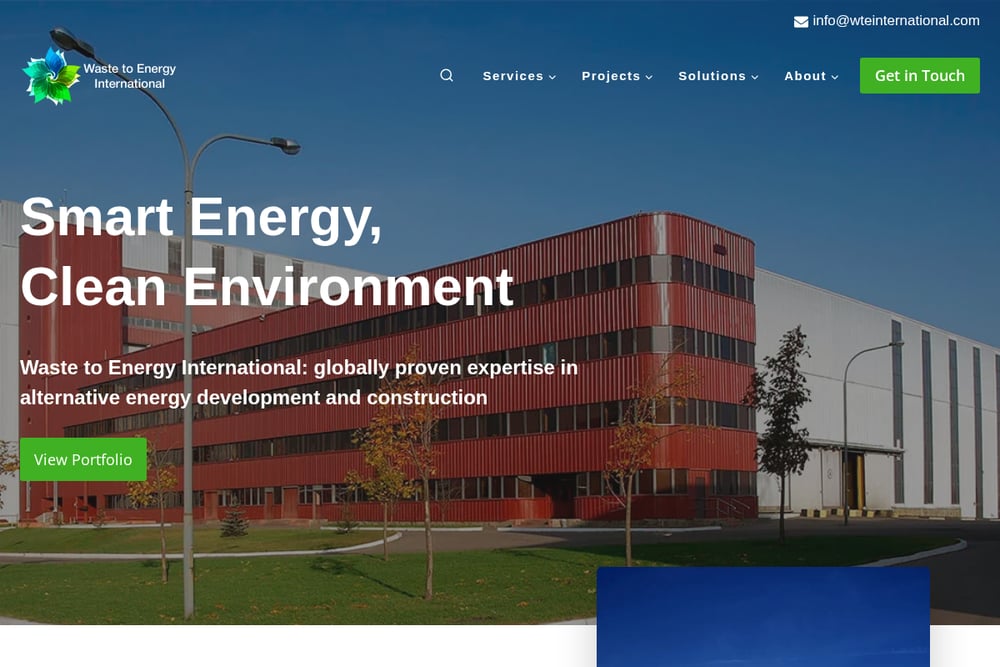 A screenshot of the Waste to Energy International website.
Waste to Energy International brings a construction-first mindset to the table. The firm handles development, investment, and turnkey construction of waste-to-energy and alternative energy plants. It has built real incineration plants and worked across municipal solid waste, hazardous industrial waste, medical waste, and biological waste. Its advisory arm covers feasibility studies, financial modeling, and construction supervision. If you want a partner who has actually poured concrete on WTE projects, this is a strong place to start.
#2 Global Ventures Africa
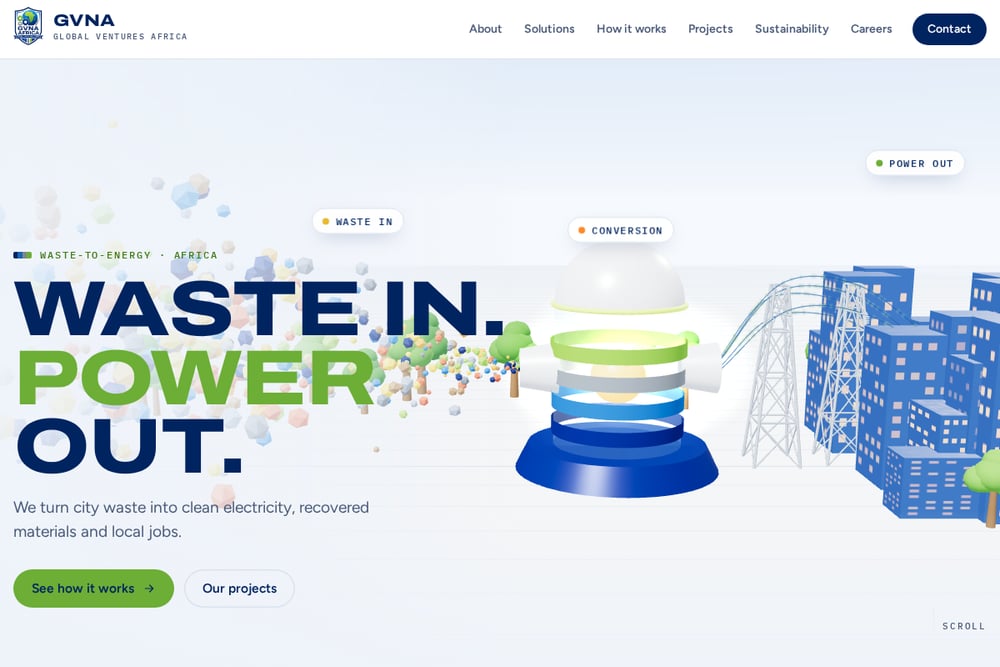 A screenshot of the Global Ventures Africa website.
Global Ventures Africa frames the whole journey in plain terms: waste in, power out. The company finances, builds, and runs plants that convert city waste into clean electricity, recovered metals, carbon products, and liquid fuels. Its seven-step process runs from weighbridge collection through shredding, pelletising, oxygen-free conversion at 600 to 1,200 degrees Celsius, gas cleaning, and power generation. It pitches 30-year city partnerships, a 36-month path from start to power, and zero public funds needed for construction. That combination of long horizons and private financing is exactly what cash-strapped municipalities need.
#3 Mustapha Energy
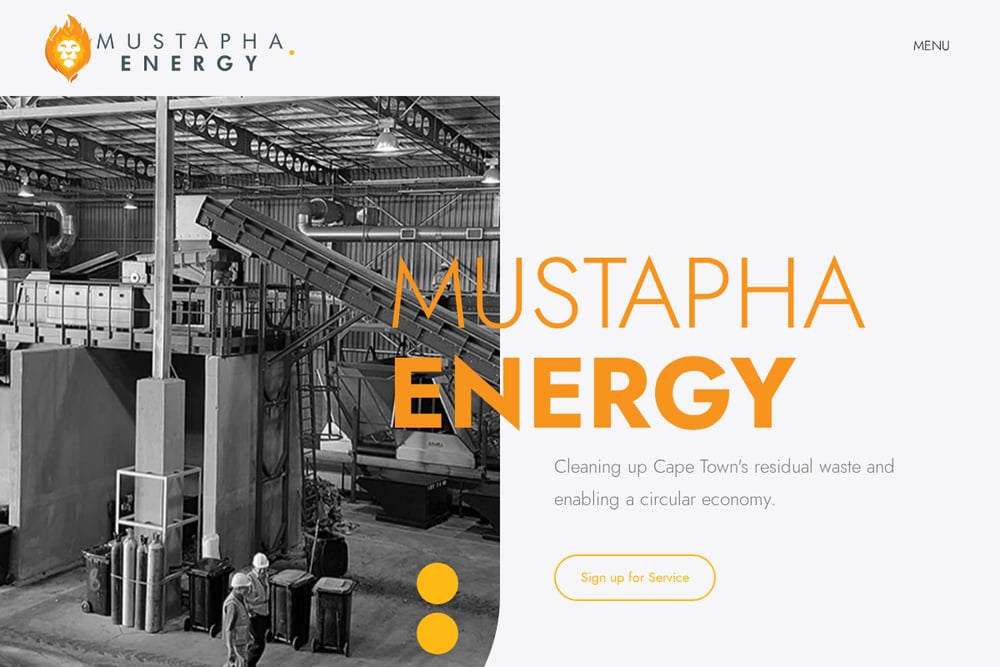 A screenshot of the Mustapha Energy website.
Mustapha Energy is focused on cleaning up Cape Town's residual waste and pushing the region toward a circular economy. The company runs clean and dirty materials recovery facilities, separating recyclables, organics, and refuse-derived fuel before anything reaches a plant. Its biogas capability uses anaerobic digestion to convert putrescible organic waste into energy. It also speaks directly to municipalities about separation, logistics, and shifting legislation. If your priority is diverting waste from landfill while recovering value, this is a practical fit.
#4 Africa Waste to Energy Limited
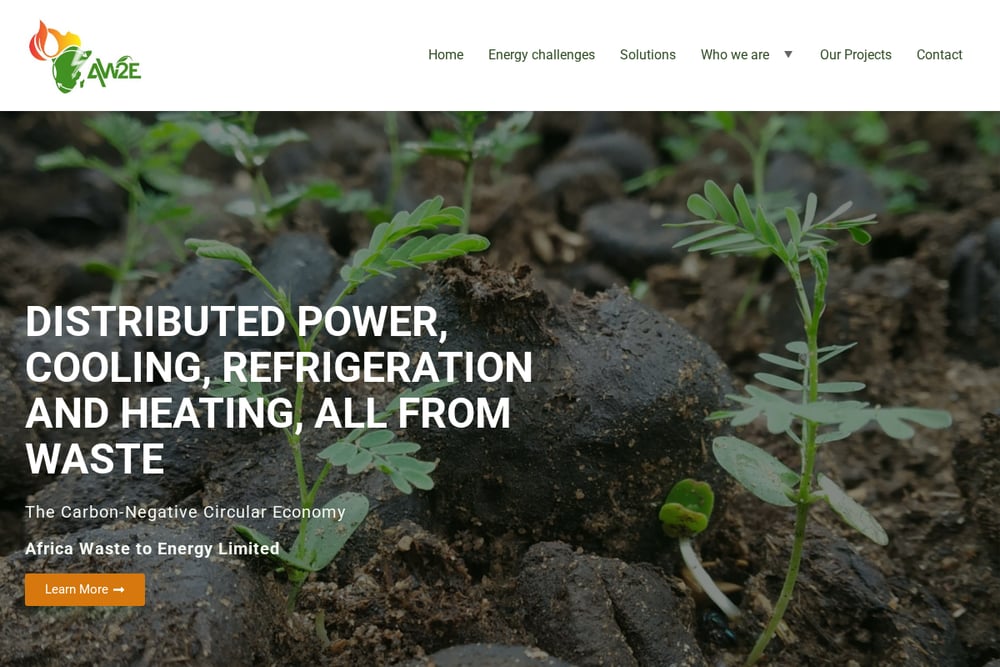 A screenshot of the Africa Waste to Energy Limited website.
Africa Waste to Energy Limited takes a distributed approach. Instead of giant central plants, it offers affordable zero-carbon power, cooling, refrigeration, and heating generated close to where it is needed. Its core fuel is biogas from organic and agricultural waste, which tackles both energy access and post-harvest losses. The company also uses waste heat for cooling and industrial heating, squeezing extra value from the same feedstock. With 600 million Africans lacking reliable electricity, that local, modular model has real appeal.
How to Pick the Right Partner
Start with your waste stream. If you have mixed municipal waste and want electricity at scale, look for a developer with full plant construction and conversion experience. If organics dominate, biogas specialists will stretch your budget further. Next, check who carries the financial risk. Some developers finance and build with no public funds, which matters enormously for city budgets. Then ask about the operating horizon. Thirty-year partnerships demand trust, local hiring, and clear maintenance terms. Finally, visit a reference project. A developer who can walk you through a working plant beats a glossy brochure every time.
Where Automation Fits In
Modern waste-to-energy plants run on monitoring and control systems. Weighbridges log every load automatically. Shredders and pellet mills adjust throughput based on feedstock quality. Oxygen-free converters and scrubbers feed continuous emissions data to operators. Generators sync to the grid with automated load balancing. For a city partner, that means predictable reporting and fewer surprises. Ask any developer how their plant data is captured, stored, and shared with you. Transparency in the control room usually signals transparency in the contract.
The Bottom Line
Africa's waste problem and its power problem are two sides of the same coin. The developers worth your time are the ones who treat them that way. Waste to Energy International offers proven construction muscle. Global Ventures Africa pairs private financing with a clear, long-term city partnership model. Mustapha Energy excels at recovery and biogas in South Africa. Africa Waste to Energy Limited brings distributed, zero-carbon solutions to agricultural waste. Match the model to your waste stream, your budget, and your timeline, and you will find a partner who turns a liability into an asset.