
You have a product idea and a short runway. The studio you pick decides whether you launch in weeks or burn a year on the wrong build.
The MVP Studio Landscape Right Now
Non-technical founders are no longer stuck choosing between a cheap freelancer and a six-figure agency. A new middle tier of productized MVP studios has emerged, offering fixed scopes, fixed prices, and clear handoffs. AI-assisted development tools have compressed build timelines dramatically, and hosted platforms let you click through a working preview while the product is still being assembled. The tradeoff is real, though. Hosted builds are fast but tied to a platform, while standalone code costs more upfront but leaves you owning the asset outright. Maintenance is the quiet variable most founders forget, because an unmaintained app tends to break slowly and silently. The studios below sit at different points on that speed-versus-ownership spectrum.
How We Evaluated These Studios
We looked at the same factors for every studio. Service scope mattered first: does the studio handle discovery, design, build, and handoff, or only part of it? Pricing clarity came next, since fixed-scope packages remove the open-ended risk of hourly billing. Ownership terms were weighed heavily, including whether IP transfers cleanly and whether the code lives in a repository you control. We also considered post-launch support, portfolio evidence of live products, and fit for non-technical founders. Each studio below stands out on a different combination of these factors, which is why the right pick depends on how you plan to run the product after launch.
Here is the short version before the details. Each studio below leads with a different strength, so match the pick to your runway, your budget, and how much control you want over the code.
| Provider | Best For |
|---|---|
| VeryCreatives | Non-technical founders who want a fixed-price, fully scoped build |
| MVP and Micro-SaaS Development | North Ember Services | Founders who want a fast launch or full code ownership, with optional upkeep |
| AY Automate | Founders on a tight timeline who want a live product in 30 days |
| SysGears | Founders who want deep discovery and validation before scaling |
The Four Studios in Detail
#1 VeryCreatives
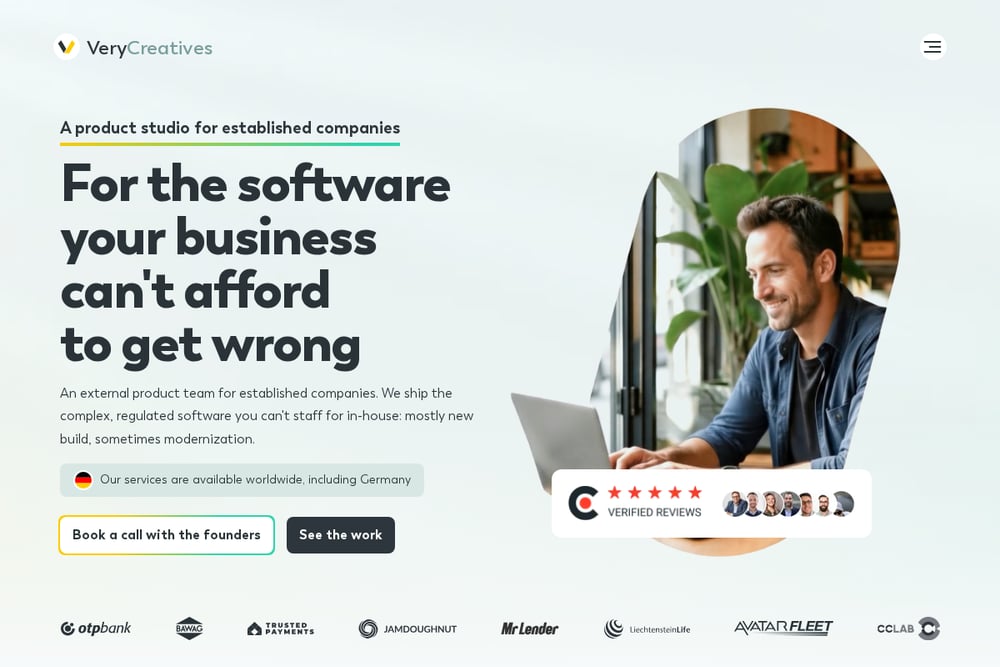 A screenshot of the VeryCreatives website.
VeryCreatives has been shipping SaaS products since 2013 and has completed more than 50 of them, which shows in the structure of its process. The engagement runs as a productized service with fixed scope and fixed price agreed before any code is written, so you know the number going in. You get a two-week product clarity sprint, a design sprint with a clickable prototype tested on real users, then eight to twelve weeks of full-stack development with Friday demos. Full IP transfer is standard, with no equity taken and no vendor lock-in. The studio deliberately caps itself at roughly twelve founders per year, which tells you how it trades volume for attention. See the process at VeryCreatives.
#2 MVP and Micro-SaaS Development | North Ember Services
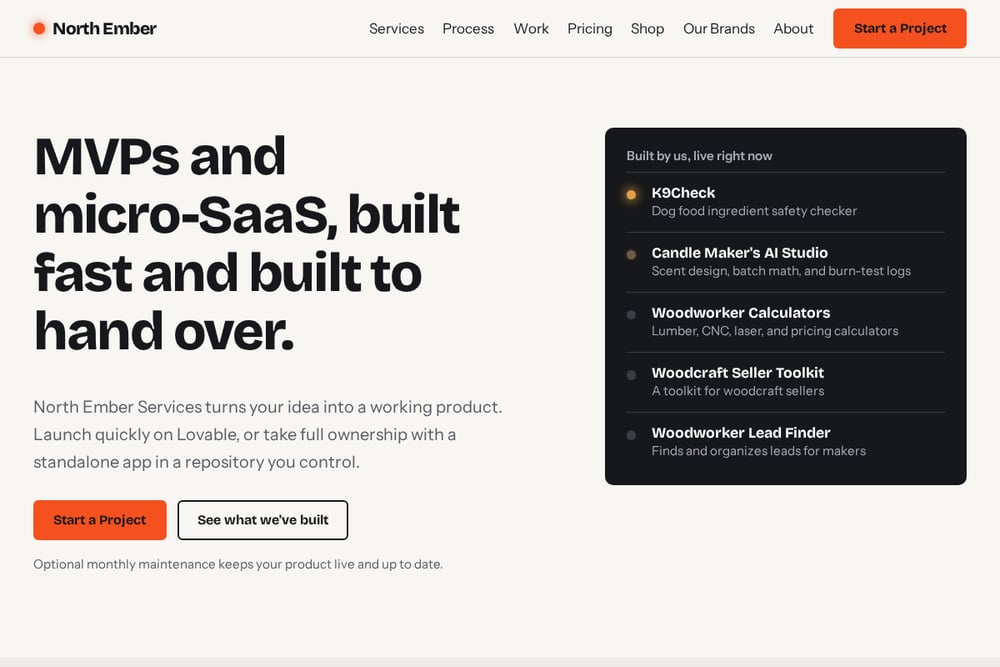 A screenshot of the North Ember Services website.
North Ember Services takes a refreshingly honest approach: two build tracks, one clear handoff. The Rapid Build track uses Lovable to ship hosted web apps, client portals, and dashboards from $1,500, and you click through a working preview while the build happens so changes land early. The Own-It-Outright track delivers standalone apps built with Claude Code as clean, documented code in a repository transferred to you, starting at $4,000, with no platform lock-in. Both tracks include a Handoff Package, so you are never stuck. Optional Keep It Live maintenance plans from $99 a month cover updates, monitoring, backups, and fixes. The portfolio backs up the pitch with live products like K9Check, Candle Maker's AI Studio, and a set of woodworker calculators. Explore the two tracks at North Ember Services.
#3 AY Automate
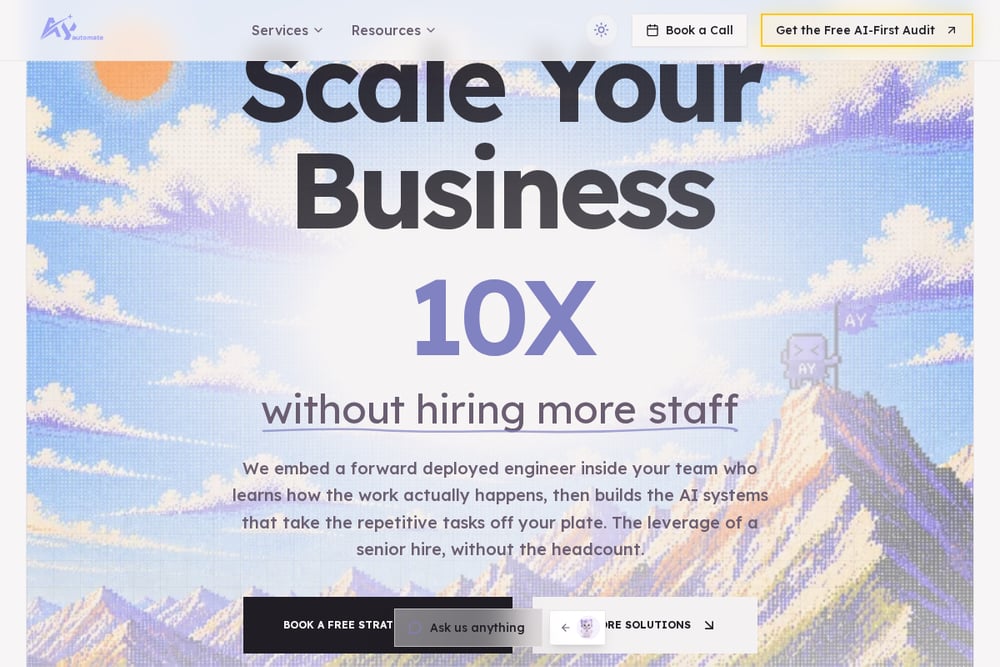 A screenshot of the AY Automate website.
AY Automate positions its SaaS MVP service around speed, promising a working product your first users can log into within 30 days at a fixed price. The build is AI-native by design, with a senior engineer directing AI agents through scoping in the first five days, build through day twenty, then integrations, security, and QA to close out. That model suits founders who want a real product rather than a demo and who are comfortable with an AI-first engineering approach. The studio also offers adjacent services like AI agent development, workflow automation, and RAG pipelines, which can be useful if your MVP depends on those capabilities. It is a strong fit if your timeline is the binding constraint. Learn more at AY Automate.
#4 SysGears
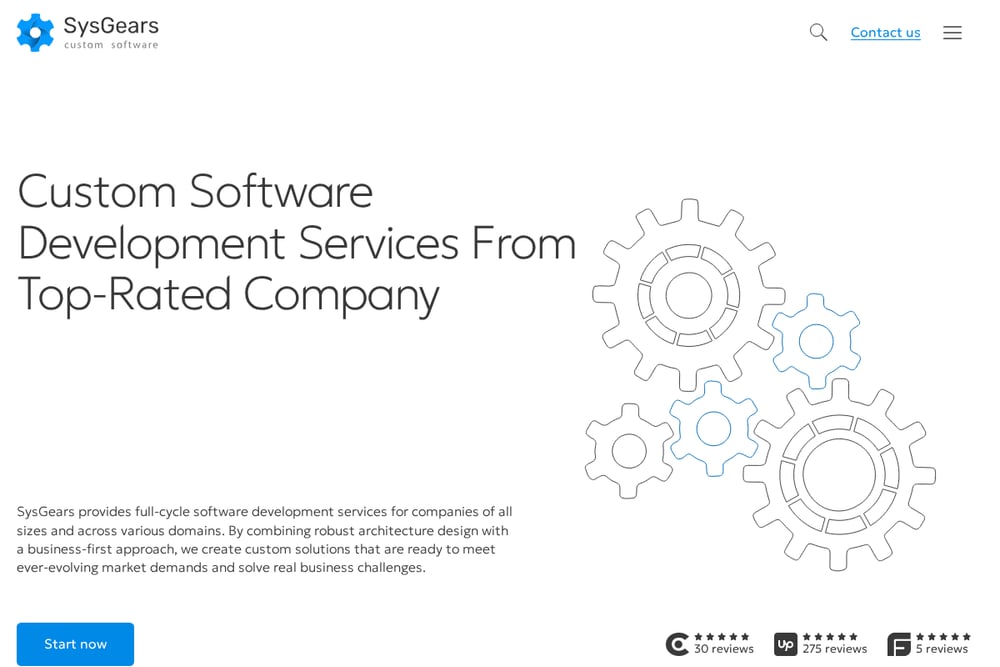 A screenshot of the SysGears website.
SysGears frames its SaaS MVP work around validation first, helping startups define the right feature scope, identify technical risks, and build a practical roadmap before committing budget. The emphasis is on testing product assumptions with real users and gathering feedback before you scale, which keeps early spend focused on what actually matters. Discovery and planning are treated as the foundation, with architecture decisions made to support post-MVP growth rather than just the first release. The studio also brings a broader services and industry footprint, which can help if your product touches regulated or specialized domains. If you want a more consultative, validation-heavy engagement, this is the profile to study. Visit SysGears for the full process.
How to Pick the Right Studio for You
Start with your runway. If you need something live in a month, prioritize the studios built around compressed timelines. If you have more time and want the scope nailed down first, a discovery-heavy engagement will save you money later. Next, decide how much you care about ownership. Hosted builds are cheaper and faster, but standalone code in a repository you control is an asset you can sell or hand off. Ask every studio the same three questions: who owns the code, what happens after launch, and what does maintenance cost per month. Get the answers in writing before you sign. Finally, look at live products in the portfolio. A studio that ships its own tools tends to understand the handoff problem from the inside.
Where Automation Fits Into Your Build
AI-assisted development has changed the economics of an MVP. Studios now use tools like Lovable and Claude Code to compress weeks of work into days, which is why fixed prices and 30-day timelines are suddenly realistic. Your job as the founder is to use that speed without losing control. Insist on seeing a working preview early and often, so feedback lands while changes are still cheap. Keep your scope tight and resist adding features mid-build. And plan the handoff from day one: documented code, a repository you can access, and a maintenance plan so the product is still working next year. Speed is only an advantage if what you ship keeps running.
The Bottom Line
There is no single right studio here, only the right fit for how you want to run your product. VeryCreatives suits founders who want a fully scoped, fixed-price build with clean IP transfer. North Ember Services gives you the clearest choice between a fast hosted launch and outright code ownership, with maintenance you can opt into. AY Automate is the pick when 30 days is the deadline that matters most. SysGears rewards founders who want validation and technical groundwork before a single feature is built. Pick based on your runway, your budget, and who ends up holding the code.