Finding a therapist who actually fits your life is harder than it should be. These four practices make the search a little less overwhelming.
The remote therapy landscape right now
Teletherapy went from backup plan to default for a huge share of Americans, and the market filled up fast. You can now choose between solo private practices, group clinics, and multi-state platforms, each with a different feel and a different billing model. The upside is options. The catch is that quality, insurance handling, and specialty depth vary wildly from one provider to the next.
How these four were evaluated
Every practice was looked at through the same lens: breadth of service scope, clarity around pricing and consultations, specialty depth in trauma and grief work, ease of booking, and how well the practice fits remote clients. Insurance transparency and the quality of the first-contact experience also carried weight. No single factor decided the order.
Here is the short version before the details. Each practice below serves a slightly different kind of client, so the right pick depends on what you need going in.
| Provider | Best For |
|---|---|
| CPH Mental Health Counseling | Clients who want a full team and insurance coverage |
| Home | My Site | Anyone who wants a personal, one-on-one therapist |
| Core Mental Health Counseling | Trauma clients who want EMDR and a structured plan |
| Nexum Health | Multi-state clients who need a wide specialty menu |
The four practices, up close
#1 CPH Mental Health Counseling
CPH runs a full group practice out of Buffalo with telehealth reaching clients across New York State, and the operation feels built for people who want structure. You get adult, young adult, and teen therapy tracks, a free 20-minute consult, and insurance accepted, which removes two of the biggest friction points in starting care. The site leans into trauma-informed language and meets you where you are, whether the struggle is yours, your teen's, or your relationship's. A client login portal and clear service menus make the logistics painless. For anyone who wants a team behind them rather than a single clinician, this is the most complete package on the list.
#2 Home | My Site
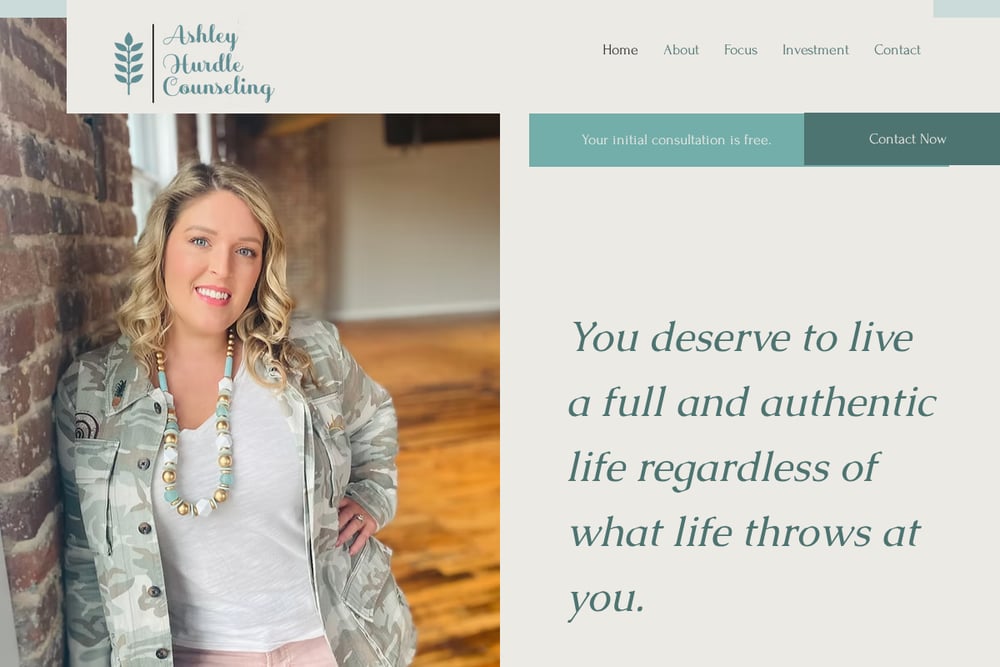 A screenshot of the Home | My Site website.
Ashley Hurdle is a licensed clinical social worker with nearly a decade of experience, and her practice is built around one relationship: yours and hers. She specializes in trauma and PTSD, grief, depression, relationships, and self-esteem, and the free initial consultation means you can test the fit before committing a dollar. Sessions are booked directly through the site, with email and phone contact kept front and center, so you are never routed through a call center. The tone is warm and personal, from the welcome message to the closing quote about taking the first step. If you have been burned by feeling like a number in a big clinic, this is the antidote.
#3 Core Mental Health Counseling
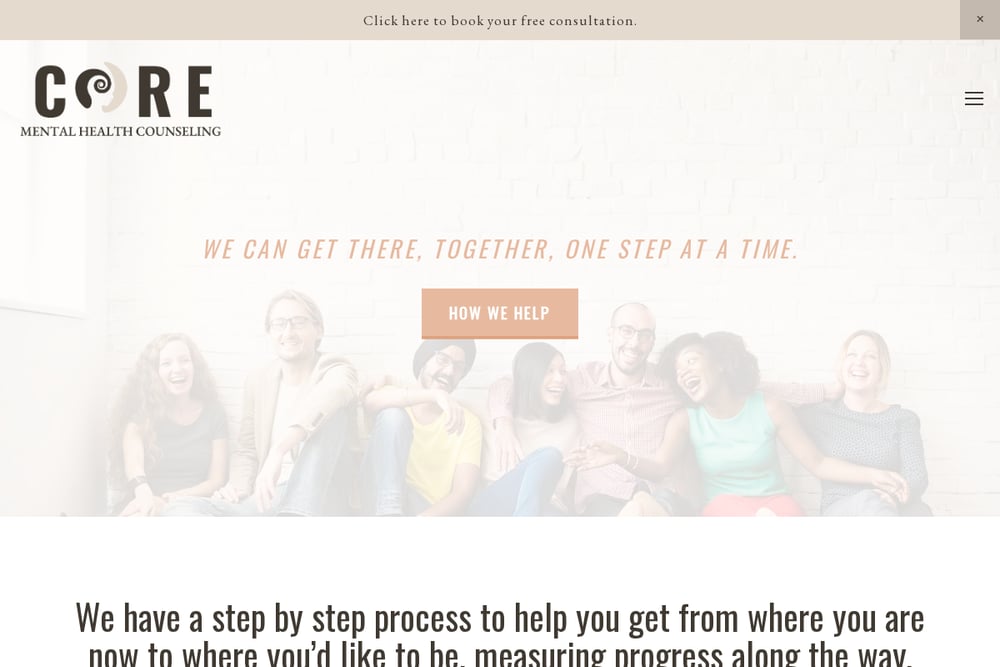 A screenshot of the Core Mental Health Counseling website.
Core takes a step-by-step approach and says so plainly, with a process designed to move you from where you are to where you want to be while measuring progress along the way. The practice offers individual therapy, assessments, and resources, plus support groups and EMDR for trauma work, which gives it more clinical range than a typical solo shop. It does not bill insurance directly, but a billing specialist helps you check out-of-network reimbursement, and free consultations are available if you are unsure which counselor fits. Specialty areas include trauma and PTSD, anxiety, depression, and grief. The vibe is grounded and methodical, which suits people who like a plan.
#4 Nexum Health
Nexum is the widest-reaching option here, accepting clients across Illinois, Missouri, Texas, and New Mexico with a long menu of specialties that runs from ADHD and anxiety to grief, OCD, and couples work. The free client advocate consultation is a smart touch, since it helps you sort out insurance questions and therapist matching before your first session. Booking is online and the site organizes care by both condition and location, so you can find a clinician licensed in your state without guesswork. It is a national provider with a platform feel rather than a boutique one. That scale is exactly what some people need when local options are thin.
Picking the right fit for you
Start with logistics. If you need insurance to make therapy affordable, CPH is the clearest yes on this list, while Core will help you chase out-of-network reimbursement. Next, think about the relationship you want. A solo practitioner like Ashley Hurdle offers continuity and a single point of contact, while group practices give you backup and a wider skill set. Check licensure in your state before anything else, especially if you are outside New York. Finally, use the free consultations. Every practice here offers one, and twenty minutes is usually enough to know whether the chemistry is there.
Where automation fits into your search
You can take a lot of the grind out of finding a therapist. Set up a simple intake form on your end that captures insurance, state, and specialty needs, then use it to filter practices before you ever pick up the phone. Bookmark each practice's consult page and let calendar reminders nudge you to follow up within 48 hours. If you are comparing out-of-network costs, a shared spreadsheet with reimbursement rates beats scattered notes. And once you book, automated appointment reminders from the practice's portal will keep you on track through the first few sessions, which are the ones people most often miss.
The bottom line
There is no universal winner here, only the right match for your situation. CPH gives you the most complete infrastructure, Ashley Hurdle gives you the most personal care, Core gives you structured trauma work with EMDR, and Nexum gives you reach across four states. Start with the free consultation each one offers, ask about insurance up front, and trust your gut on the fit. The first step is the hardest, and any of these four will meet you there.