
Weaving is having a moment, and 3D printing is making it more accessible than ever. From handheld swatch looms to full tabletop rigs, these five creators are redefining how you can warp, weave, and create—no matter your skill level. Whether
The New Wave of 3D-Printed Looms
The intersection of 3D printing and traditional weaving is opening up a world of possibilities. You no longer need to invest in expensive, bulky equipment to explore the craft. These innovators are using additive manufacturing to create looms that are affordable, portable, and customizable. From open-source designs to ready-to-ship kits, the market is diversifying rapidly. This roundup highlights five distinct approaches, each with its own philosophy and target audience.
How We Evaluated These Loom Pioneers
We looked at each business based on three key factors: the scope of their product offerings, the clarity of their pricing and purchasing process, and how well they serve the local and broader weaving community. We also considered the uniqueness of their approach and the overall user experience. Each of these five stood out in different ways—some for their hands-on kits, others for their open-source blueprints, and a few for their community-building efforts.
Here's a quick snapshot of the five loom innovators we're featuring, from the most community-focused to the most technically intricate.
| Provider | Best For |
|---|---|
| MakerWorld | Free, community-driven 3D loom designs |
| Touch Grass Textiles | Outdoor weaving kits and landscape-inspired textiles |
| Instructables | Detailed DIY loom building guides |
| FraensEngineering | Advanced, multi-shaft 3D-printed looms |
| Asli Aydin Aksan | Open-source, foldable loom design |
The Five Loom Innovators, Closer Look
#1 MakerWorld
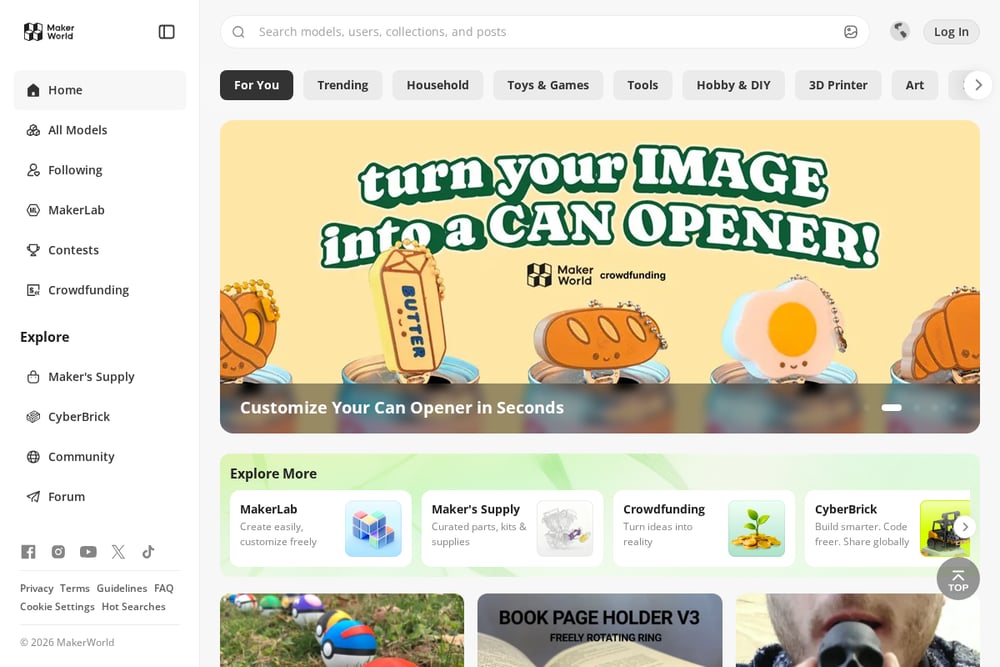 A screenshot of the MakerWorld website.
MakerWorld is a massive repository of 3D-printable models, and its loom collection is a treasure trove for DIY enthusiasts. You'll find everything from simple coaster looms to complex tablet weaving frames, all available for free download. The platform's community-driven approach means you can see how many others have printed a design, which helps you gauge reliability. If you're comfortable with a 3D printer and want to experiment with different loom styles, MakerWorld is your go-to. The sheer variety is unmatched, and the ability to filter by popularity and downloads makes discovery easy. It's a great starting point for anyone who wants to print their own loom without spending a dime.
#2 Touch Grass Textiles
 A screenshot of the Touch Grass Textiles website.
Touch Grass Textiles, based in Durham, NC, is all about getting you offline and weaving outside. Their signature Swatch Loom is a 2x2-inch handheld device that's perfect for beginners and pros alike, letting you create patches, tiny art, and reference samples. The loom sizes are designed to match reeds on larger looms, so your samples are always accurate. They also sell beautiful handwoven textiles like towels and scarves, all inspired by American landscapes. Their Field Study guides, like 'Field Study 01: Tomato Love,' add a unique educational layer. Plus, as a founding member of the Makeshift Collective makerspace, they're deeply rooted in the local craft community.
#3 Instructables
 A screenshot of the Instructables website.
Instructables is a hub for DIY projects, and its 3D-printed loom tutorials are incredibly detailed. The standout is the '3D Printed Table Loom With 8 Shafts' by Fraens, which walks you through building a full tabletop loom from scratch. The step-by-step instructions are perfect for makers who love a challenge and want to understand the mechanics of weaving. You'll need access to a 3D printer and some patience, but the result is a fully functional loom that can handle complex patterns. The community aspect means you can ask questions and share your progress. If you're looking for a weekend project that teaches you engineering and weaving, this is it.
#4 FraensEngineering
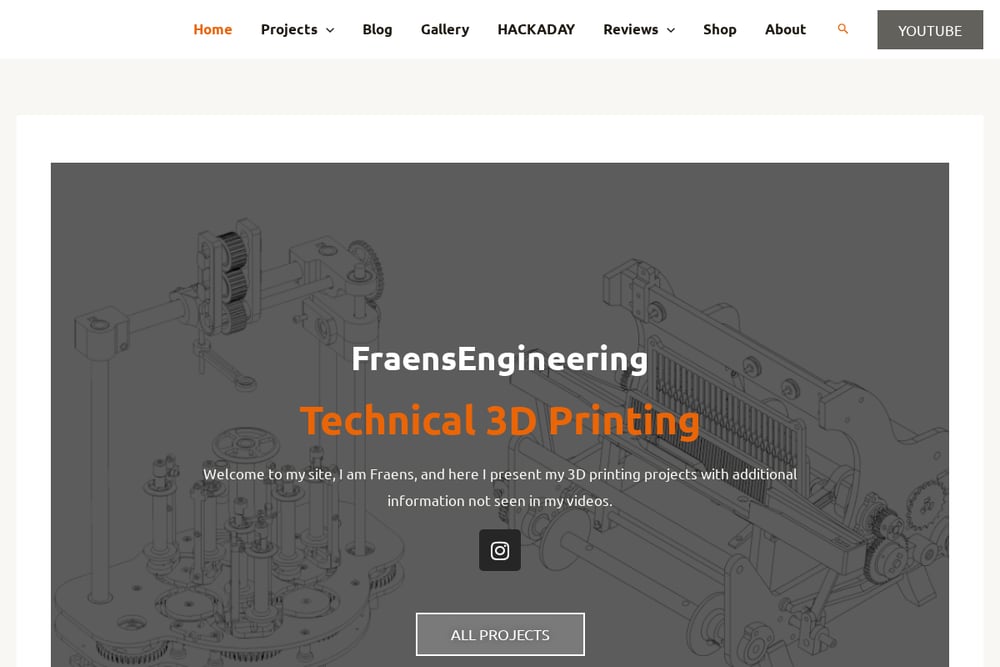 A screenshot of the FraensEngineering website.
FraensEngineering is the brainchild of an Austrian mechanical engineer who loves combining old tech with new. Their 3D-printed table loom is a marvel of design, offering eight shafts for serious pattern weaving. The website provides comprehensive build instructions, and you can download the files from Etsy or Cults3D. This is not a beginner project—it requires a good understanding of 3D printing and mechanical assembly. But for those who succeed, the payoff is a high-quality, customizable loom that rivals commercial models. Fraens also offers upgrades like a dobby attachment, which automates the shedding process. If you're a tech-savvy weaver, this is a top-tier choice.
#5 Asli Aydin Aksan
 A screenshot of the Asli Aydin Aksan website.
Asli Aydin Aksan's open-source foldable 4-shaft weaving loom is a brilliant project from her internship at Fablab Amsterdam. The design focuses on affordability and portability, making shaft looms accessible to hobbyists who can't shell out for expensive commercial options. The loom is collapsible, so you can easily store it or take it to a workshop. The open-source nature means you can download the files for free and print them yourself, or even modify the design. Her documentation is thorough, covering everything from warp tension to tie-up patterns. This is a fantastic option for educators, students, or anyone who wants to experiment with weaving without a big investment.
How to Choose the Right 3D-Printed Loom for You
First, consider your skill level and what you want to weave. If you're a beginner, a simple handheld loom like the one from Touch Grass Textiles is a great entry point. If you're more experienced and want to create larger pieces, a tabletop loom from FraensEngineering or the Instructables guide might be better. Think about whether you want a ready-to-use product or a DIY project—MakerWorld and Asli Aydin Aksan offer free files, but you'll need your own printer. Also, consider the community aspect: do you want to join a local makerspace or weave outdoors? Finally, set a budget, as costs can range from free downloads to premium kits.
Automating Your Weaving Workflow
Once you have your loom, you can streamline your weaving process with a few simple steps. Start by using a 3D-printed warp winder to prepare your yarn quickly. Then, use a digital pattern generator to design your weave structure and print it out as a reference. For repetitive tasks, consider a dobby attachment like the one from FraensEngineering to automate shaft movements. Finally, keep a digital log of your projects and samples to track your progress and inspire future work.
The Future of Weaving Is in Your Hands
These five innovators are proving that 3D printing can breathe new life into an ancient craft. Whether you're drawn to the outdoor ethos of Touch Grass Textiles or the technical precision of FraensEngineering, there's a loom out there for you. The key is to start small, experiment, and find what brings you joy. As the community grows, we can expect even more creative and accessible designs. So, get offline, fire up your printer, and start weaving—your next masterpiece is just a few layers away.